Only 7% of surveyed Canadian small businesses plan significant growth or diversification over the next 12 months, according to CFIB’s October 7 release.
New Pew Research Center data shows chatbot adoption remains deeply uneven by age and race, while privacy, accuracy and simple lack of interest keep millions of Americans from using the technology.
The presidential runoff is forcing Brazil to decide how closely its critical-mineral strategy should align with Washington as the United States tries to reduce dependence on China.
Canada announced an ambition to retrofit one million homes, with an apartment component targeting 280,000 rental units over eight years, in an October 8 government release.
Today’s edition is ultimately about pressure moving from institutions into everyday life. Consumer confidence is deteriorating even without a formal recession, tariffs are becoming a household affordability issue, election administration is being tested through federal power, developing countries are facing tighter fiscal constraints, and African banks are building alternatives to dollar-centered trade. None of these stories operates in isolation. Together, they show a system in which governments, courts, financial institutions and households are all being forced to adjust to higher costs, weaker confidence and changing assumptions about who controls access, money and economic stability.
Miami-Dade is considering up to $650 million in housing-finance bonds to support below-market mortgage lending, according to Miami Today’s October 8 edition, posted October 7.
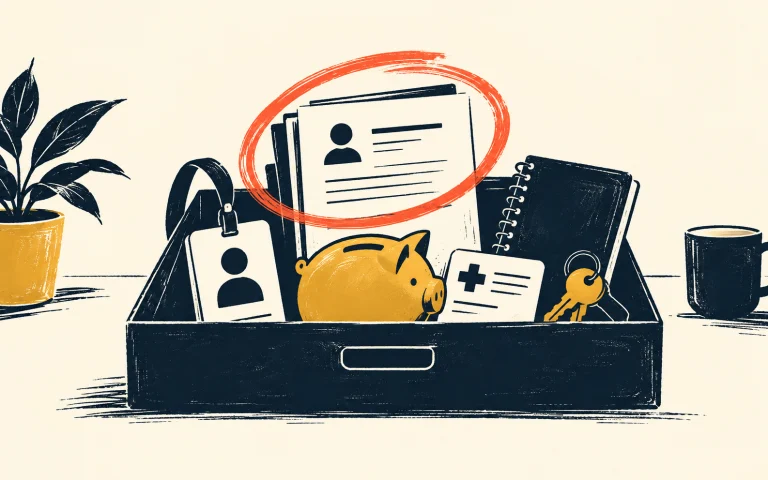
Layoffs are running below last year’s pace, but finding the next job is taking longer. The cheapest time to prepare is while the paycheck is still arriving.
We keep asking whether America is in a recession. Atlanta’s eviction crisis suggests we may be asking the wrong question. The economy can keep growing while millions of households experience something that feels remarkably like contraction.
New federal restrictions are removing health coverage from categories of immigrants who are lawfully present in the United States, redrawing the boundary between legal status and public benefits.
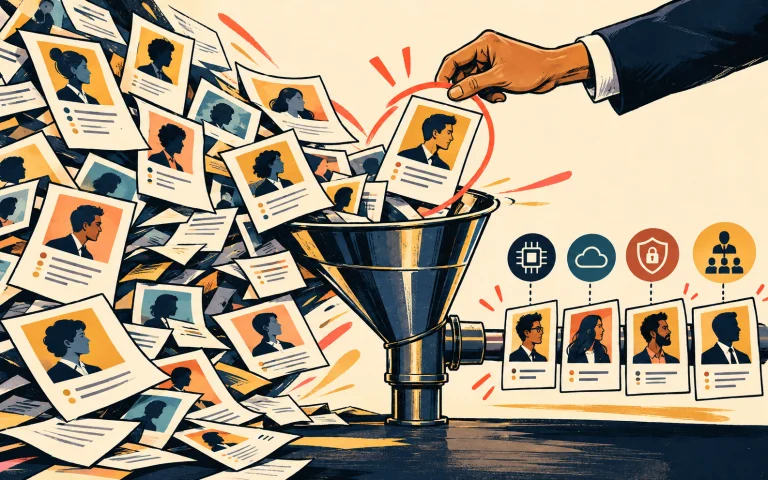
Hundreds of applications can arrive for one opening while AI, cybersecurity and leadership roles remain difficult to fill. The labor shortage is increasingly a qualification mismatch.