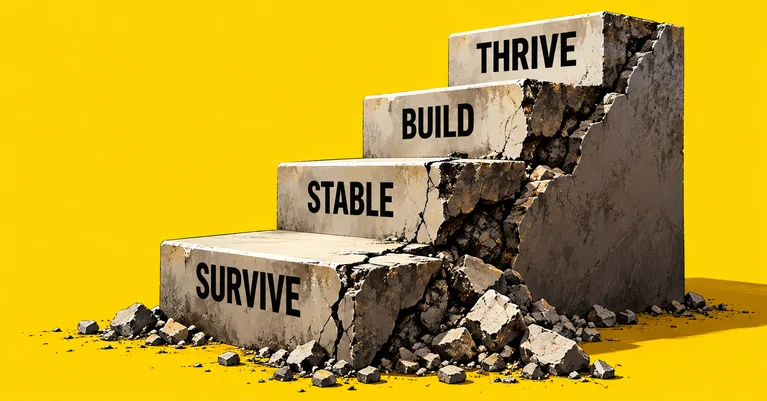
The latest Census figures offer encouraging news, but nearly 8 million Black Americans still live below the poverty line. At what point do we stop celebrating small improvements and confront how much inequality remains?
Three weeks after his remarks about American work ethic and slavery set off a backlash, the actor sat down with The Breakfast Club to explain himself. He apologized for his language, pushed back on some readings of what he said and took on the historical criticism directly.
New World Bank findings show that Nigerians without formal education face dramatically higher poverty rates. Yet more than one-quarter of those with postsecondary qualifications also live in poverty, exposing the limits of education in an economy struggling to create enough productive jobs.
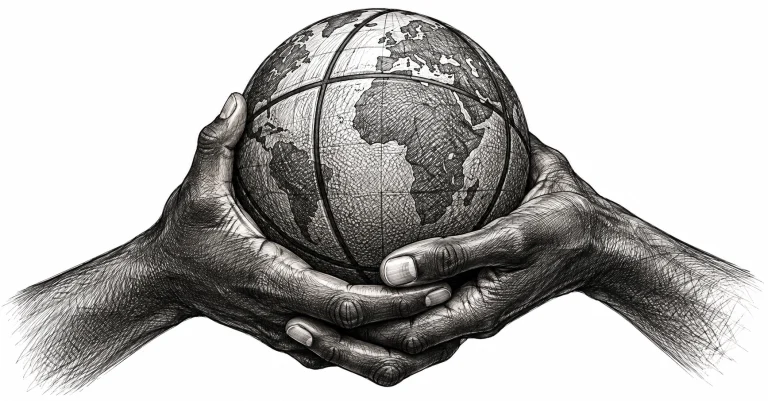
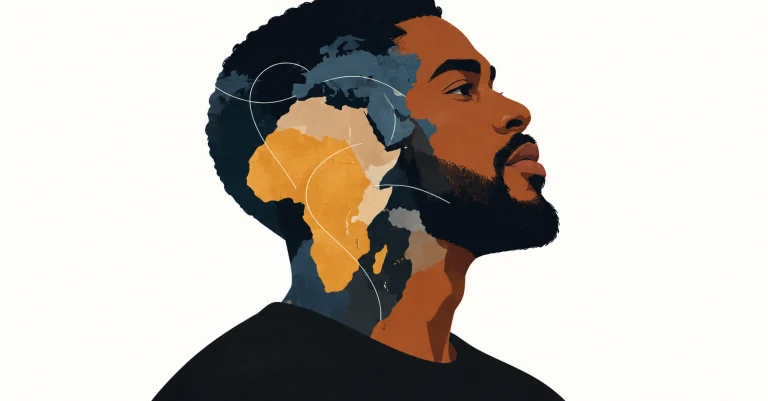
The Swiss-born NBA player says moving to the United States changed how he understood Black identity, community and history. His story raises a bigger question about why solidarity looks different across the African diaspora.
Instagram is testing longer videos that could bring full podcasts, interviews and shows into its app. The question is whether creators will get paid for them.
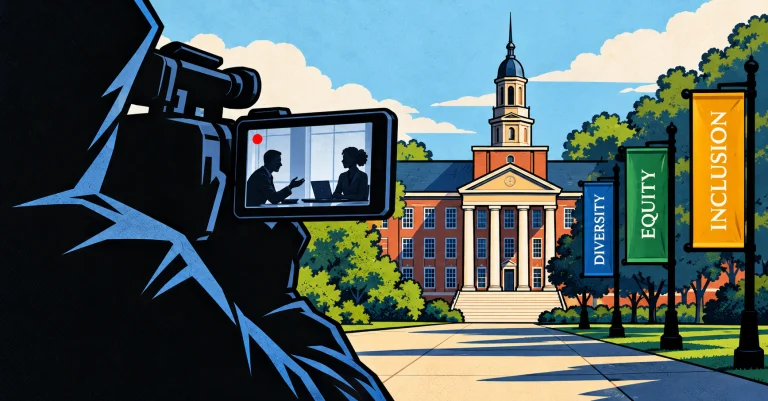
Accuracy in Media is using undercover recordings and public pressure to challenge university diversity programs. Its campaigns are also changing who gets to hold colleges accountable.
New agreements with Houston-area school districts will allow more students to secure college admission with fewer application requirements. The partnerships could open doors, but affordability and degree completion will determine how much opportunity they actually create.
Mayor Brandon Johnson is proposing a new tax on large employers to help close the city's budget deficit. Business leaders and City Council members are pushing back over concerns about hiring, investment and the cost of operating in Chicago.
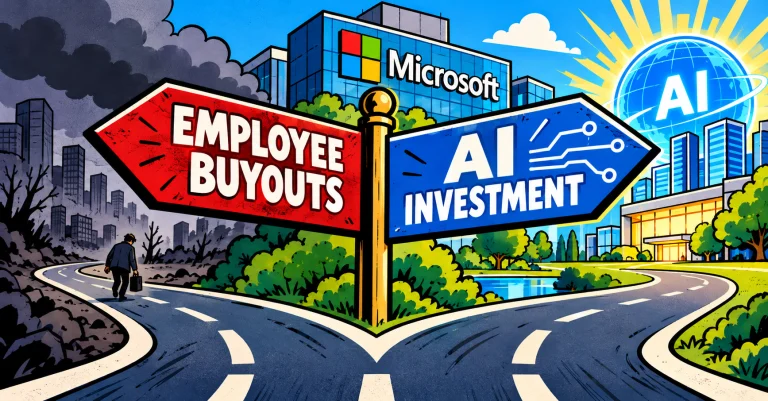
More than a quarter of Microsoft’s workforce is eligible for voluntary buyouts as the company pours billions into artificial intelligence. The offers raise questions about what happens to workers when a company’s priorities change.
The government is proposing mandatory impact assessments for major economic decisions after years of policy reversals and uncertainty. The framework would require officials to identify who benefits, who pays and what evidence supports a decision before businesses and households are expected to live with the consequences.
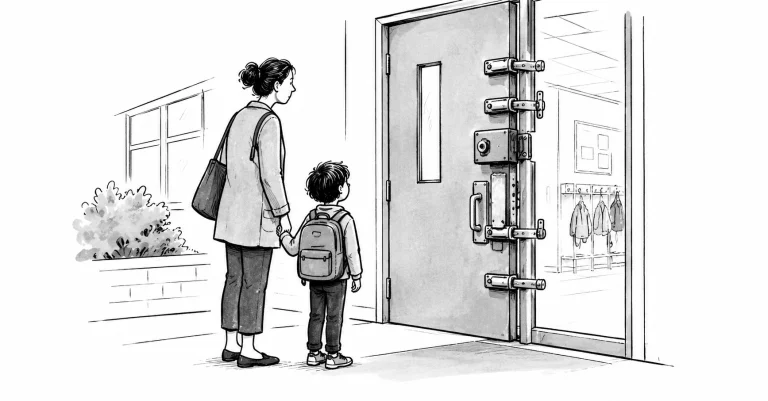
A parent and child stand outside a school entrance secured by heavy locks. What should be an ordinary morning now carries the weight of a threat families and educators are expected to prepare for. After another weekend of mass shootings across four states, the image captures how the possibility of gun violence has become part of everyday American life. Schools practice lockdowns, workplaces conduct emergency drills, and public spaces adapt their security procedures. These precautions may help protect people, but they also reveal how much society has reorganized itself around a recurring danger.
Ancestry reports look like precise measurements, but they are estimates built from reference groups and statistical models. When those models change, so do the percentages. Understanding why matters most for people trying to recover family histories that were deliberately erased.