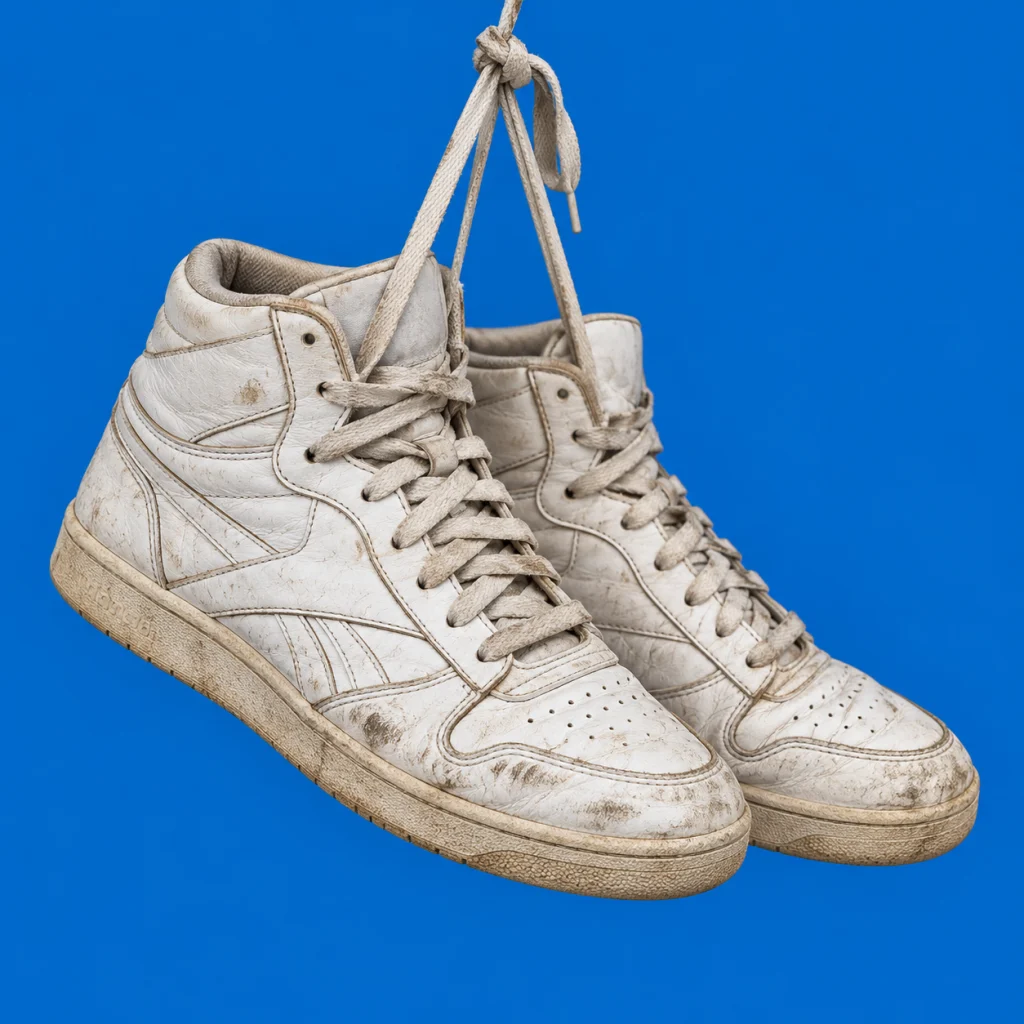
There was a time when a pair of G-Unit sneakers, Baby Phat jeans or a FUBU jersey said something about your place in popular culture. These were more than clothing labels. They belonged to an era when hip-hop’s pull on fashion and consumer spending became impossible for corporate America to ignore, and the people wearing them in music videos, magazine spreads and neighborhood malls were setting trends far beyond their own communities.
More than two decades later, many of those names are back. Reebok revived 50 Cent’s G-Unit G6 sneaker, Kimora Lee Simmons has returned Baby Phat to stores, Nelly’s Apple Bottoms is courting a new generation through celebrity collaborations and FUBU is reintroducing itself to younger shoppers. For Reebok, a brand trying to rebuild its place in a crowded athletic footwear market, the comeback raises a practical question: whether the names of the early 2000s still carry real commercial value, or whether consumers are only buying a chance to revisit a time they remember fondly.
Reebok Can Still Create Excitement
When Reebok brought back the G-Unit G6 on Aug. 20, the $130 sneaker sold out on Reebok.com in less than two hours, The Source reported. The shoe, first released in 2003, returned in its familiar white, blue and red colorway, and it quickly drew resale interest, Men’s Journal reported, a sign that the original design still has pull.
The sellout says less about Reebok’s overall recovery than it might seem. The company has not said how many pairs it released or how many buyers were new customers, and a limited sneaker can sell out without moving a company’s position in the broader market. Collectors and longtime fans may happily buy a familiar shoe while spending most of their money with other brands.
Reebok is leaning on familiar personalities to rebuild that relationship. Shaquille O’Neal is president of Reebok Basketball with Allen Iverson as his vice president, and 50 Cent’s return extends the strategy into music. Their influence is real, but their biggest Reebok successes came when many of today’s young shoppers were children or not yet born, so the company has to turn recognition among older customers into interest from people with no memory of the originals.
Baby Phat and Apple Bottoms Are Bringing Back 2003
Reebok is part of a wider revival of labels that defined the look of the late 1990s and early 2000s. Few show that better than Baby Phat, the fashion line Kimora Lee Simmons launched in 1999, which became shorthand for fitted denim, velour tracksuits and a kind of glamour tied closely to hip-hop and Black celebrity culture. Simmons reacquired the brand in 2019 and has since relaunched its apparel, telling Vogue she wanted to reconnect with the label’s original customers while introducing it to younger ones.
On Oct. 20, Baby Phat and True Religion announced their first joint collection, pairing the denim, bold stitching and embellishment both brands were known for, with a campaign starring Aniya Harvey and Kayda Bosse. Apple Bottoms has taken a similar route, partnering with Latto on a capsule collection, while FUBU has pursued new collaborations and runway exposure to rebuild its place in streetwear.
The playbook is consistent across these companies. Instead of inventing new identities, they return to the cultural assets that made them valuable and use younger performers, influencers and designers to reinterpret them, a pull toward the past SSC has also seen as some young people reach back for older rules.
True Religion Shows What a Real Comeback Looks Like
True Religion offers the clearest comparison because its revival has produced measurable results. The denim company doubled its sales between 2022 and 2025 to about $500 million, Business Insider reported, after years of financial trouble that included bankruptcy. Getting there took more than bringing back the horseshoe logo.
True Religion changed its pricing, widened its distribution and expanded beyond premium denim into shirts, hoodies and other apparel, while working with younger entertainers such as Megan Thee Stallion and Key Glock to rebuild its cultural presence. Broad sales growth is the evidence Reebok still has to show. It means shoppers are folding a brand into their regular buying, not making a one-time purchase, and it shows that nostalgia pays off only when a company adjusts its prices, products and retail strategy to how people shop now.
Even VIBE Is Finding New Value in Its Past
The revival extends beyond fashion and footwear. VIBE returned to print in June after more than a decade as a digital-only publication, starting with a limited run of 1,000 copies and plans for quarterly editions. Its partnership with Rolling Stone gives institutional support to a magazine that helped define how hip-hop, R&B and Black popular culture were documented in the 1990s and early 2000s.
As Social Storytellers Collective examined in May, VIBE’s return was more than an exercise in nostalgia. It was also a statement about cultural ownership and the lasting value of Black storytelling in an industry organized around digital distribution and fleeting attention.
That connects VIBE to Reebok, Baby Phat and the other returning brands. Each carries cultural recognition built decades ago, much of it through Black music, fashion and celebrity influence, and companies are finding new ways to sell that history through limited sneaker drops, revived clothing lines and collectible magazines.
The business models differ, though. VIBE is using scarcity and editorial curation to support a premium physical product, while Reebok has to build a recurring consumer business in a competitive footwear market. Both can benefit from nostalgia, but neither can rely on it alone.
The Ownership Model Adds Another Layer
Reebok’s ownership shapes how its comeback works. Authentic Brands Group bought the company from Adidas in 2022 and runs it through a network of licensing and regional partners, and Authentic also owns Juicy Couture, another early-2000s label whose velour tracksuits have found renewed attention. That model lets Authentic sell recognizable names across many markets and product lines without running every part of the business, but it also raises the question of how much goes into long-term product innovation compared with squeezing licensing value out of familiar brands.
The risks are not hypothetical. Tristate Holdings, Reebok’s former operating partner in greater China, reported that Reebok revenue fell 32% in fiscal 2025, and its franchise agreement was terminated at the end of December for poor performance, SGI Europe reported. Those numbers cover one region, not all of Reebok, but they show how a globally famous name can lose its hold on shoppers.
A lasting recovery takes products people want to buy again and again, strong distribution and a clear position against Nike, Adidas, New Balance, Hoka and On, each of which has built its own mix of performance, fashion and loyalty. Reebok has to compete with what those companies offer today, not with what Reebok meant 20 years ago.
The Future Cannot Depend on the Past
Reebok’s partnership with Angel Reese may be its best chance at a modern identity. Unlike Shaq, Iverson or 50 Cent, Reese is building her cultural influence in real time, and her signature footwear gives Reebok a way to reach young shoppers through current performance and design rather than memories. Her popularity can drive first purchases, but Reebok still has to deliver shoes that compete on quality, comfort, design and price, and prove that shoppers want its broader lineup, not just products tied to one name.
The same test faces Baby Phat, Apple Bottoms, FUBU and every other brand finding its way back into American culture. These brands helped turn Black music, fashion and celebrity influence into mainstream commercial value, and their return proves that value is still marketable decades later. It also raises a harder question, one SSC has asked about hip-hop’s aging stars: whether companies are investing in the next generation of designers, athletes and creative voices with the same energy they spend reviving the past.
People may buy a sneaker because it reminds them of 2003, or pick up Baby Phat because they remember it from their youth or just discovered it. The companies behind those products will be judged by whether customers find something worth coming back for. Nostalgia may sell the first release. Building a future means giving customers a reason to buy the next one.