
Queen Latifah and MC Lyte were both honored in the Rock & Roll Hall of Fame’s Early Influence category in 2026, alongside Celia Cruz, Fela Kuti, and Gram Parsons. The designation is the Hall’s acknowledgment of artists who shaped the foundation of modern music. It is also, in practice, a category the institution has repeatedly used to recognize Black artists who cannot break through the general performer vote.
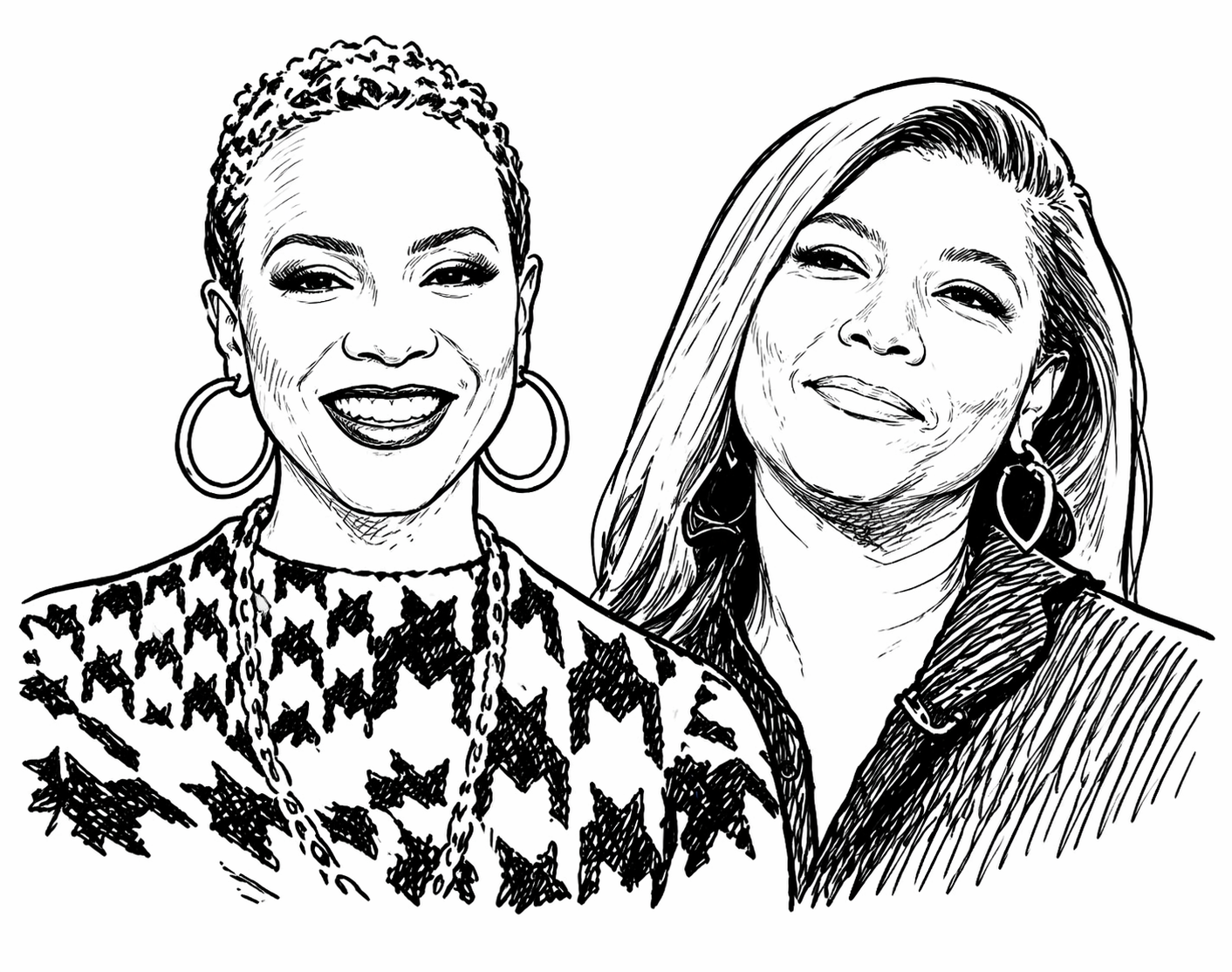
Queen Latifah is not a historical artifact. She is a living, active artist with a career spanning hip-hop’s foundational era, film, television, and decades of sustained cultural authority. MC Lyte is one of the most consequential emcees in the history of the genre — technically precise, politically sharp, and commercially influential in ways that shaped artists still making music today. Both belong in the performer category. Both received the alternative.
The Early Influence category is not nothing. The recognition is real and long overdue. But the framing matters. “Early Influence” positions these artists as precursors — as the people who made the real inductees possible — rather than as major figures in their own right. It is the Rock Hall’s version of the acknowledgment without the commitment: we see what you built, and we are placing you in the room adjacent to where we keep the things you built.
New Edition won the fan vote by more than a million ballots and also did not receive a performer induction. The pattern across the 2026 class is consistent enough to be a statement, even if the institution would prefer it read as coincidence. The community notices. It has been noticing for years.
Culture in Motion | The Critic’s Desk | News Desk