
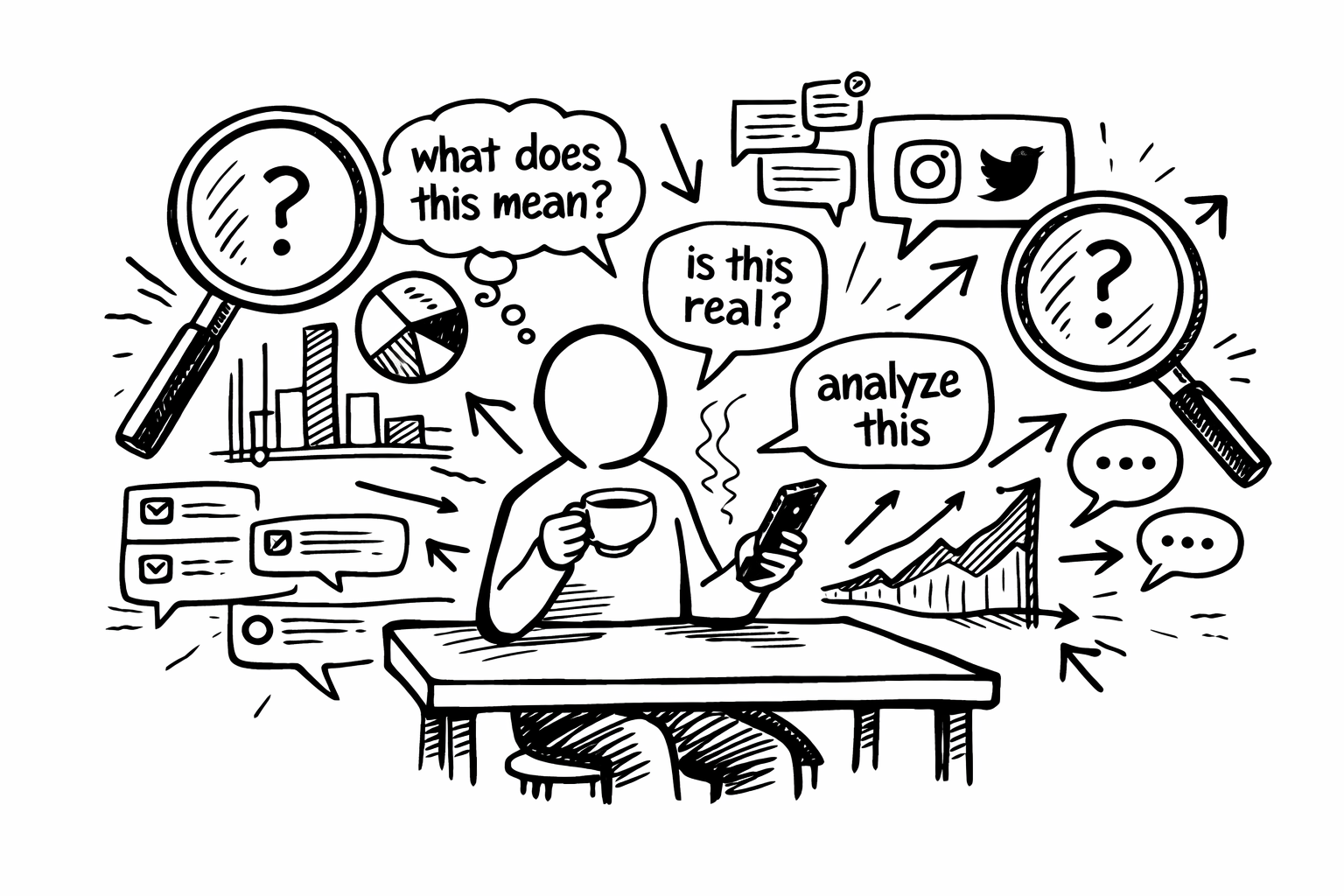
There was a time when a moment could simply be what it was. A reaction. A gesture. A feeling expressed in real time. Increasingly, that no longer seems to be the case. Today, even the smallest expressions — an applause, a pause, a glance — can take on a life of their own once they are captured, replayed, and reinterpreted.
The recent attention surrounding Teyana Taylor at the Academy Awards reflects this shift. A moment of visible support quickly became something to analyze. Was it genuine? Was it excessive? The questions emerged almost instantly, transforming a brief interaction into a broader conversation about intent. That same dynamic appeared when Angela Bassett responded with composure after a loss — her restraint, too, became a point of discussion.
This pattern extends well beyond a single stage. In sports, Angel Reese’s celebration was read by some as confidence and by others as excess. In another context, Simone Biles’ decision to step back from competition was interpreted through competing lenses of strength and weakness. Even in performance, when Rihanna delivered a measured Super Bowl set, the restraint itself became part of the critique. What connects these moments is not the behavior, but the response to it. We are no longer simply watching — we are evaluating in real time.
Social platforms have created a culture of close reading, where facial expressions are paused, gestures are replayed, and meaning is assigned almost immediately. Part of what is driving this is the rise of parasocial relationships — one-sided connections where audiences develop a sense of familiarity with people they have never actually met. That perceived closeness creates a sense of access, where viewers feel not only entitled to observe but to interpret. Over time, that dynamic shifts the relationship between public figure and audience from observation to participation — a kind of engagement at a distance where ordinary moments are treated as if they carry personal meaning for the people watching them. In that environment, context often arrives after the conclusion has already been drawn.
For Black public figures, this dynamic can feel particularly narrow. Expressions of joy can be labeled performative. Composure can be read as detachment. Speaking candidly, as Taraji P. Henson has done about industry inequities, can be reframed as complaint rather than advocacy. The space to simply exist within a moment — without explanation or reinterpretation — becomes increasingly limited.
What these examples reveal is a broader cultural shift. The question is no longer just what happened, but what it means — and who gets to decide. We have become fluent in interpretation, sometimes to the point where even sincerity feels subject to analysis. In that environment, the ordinary is rarely allowed to remain ordinary for long.