
Five Things That Matter Today
Saturday, June 27, 2026
The news tells you what happened. We explain what changed.

1. Europe’s heatwave is exposing infrastructure built for a climate that no longer exists.
Germany hit a provisional national record of 41.3°C near Saarbrücken, Denmark recorded its hottest day since measurements began, and Italy placed 18 cities under red alert. The failure underneath the temperature numbers is not a weather event — it is rail systems warping, hospitals overwhelmed, schools with no cooling, and homes designed to trap warmth turning into thermal traps. Europe built its public infrastructure for winters. It is now being asked to run that infrastructure through summers it was never designed to survive.
2. Australia is turning teen social media access into a population-scale identity regime.
Australia is moving to double penalties for platforms that fail to keep children under 16 off social media, raising the maximum fine to A$99 million, or about $63 million. Most teens are still getting around the ban with elementary workarounds. Doubling the fine doesn’t fix the enforcement gap — it escalates the demand for platforms to solve an identity problem they don’t have the architecture to solve. The next phase of this fight is not about social media. It is about who gets to be online, what proof governments can demand before granting access, and who gets locked out when the verification system doesn’t recognize them.
3. Oracle is showing the AI workforce tradeoff in real time.
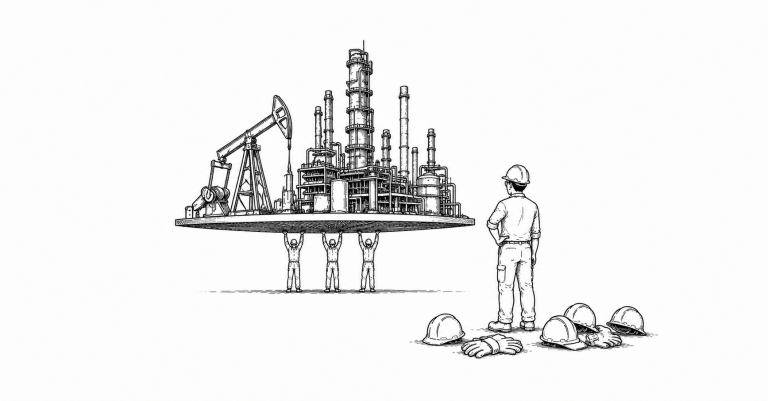
Oracle’s workforce fell by approximately 21,000 employees, or 13%, during fiscal 2026 as the company restructured around AI and expanded cloud infrastructure. The same company cutting headcount is spending aggressively to compete in the AI data-center race. The labor story underneath the AI boom that rarely gets named directly: the infrastructure being built for future growth is being funded in part by eliminating the workforce that produced past growth. Oracle is not an outlier. It is a preview.
4. AI demand is starting to move household economics.
The Fed’s preferred inflation gauge rose to 4.1% annually in May, with higher gas prices and semiconductor demand tied to the AI build-out helping push costs upward. Mortgage rates remain near 6.5%. AI is no longer a technology-sector story. Its appetite for chips, electricity, data centers, water, and capital is now touching prices, borrowing costs, and affordability for households that have never heard of a GPU.
5. Houston’s World Cup transit upgrade is becoming a public-access argument.
Metro expanded bus, rail, and shuttle service for the World Cup — longer hours, more frequent trips, better coverage. Riders are now asking why those improvements should disappear when the tournament ends. If the city can build reliable transit for global visitors and a month of spectacle, residents are right to ask why the same standard cannot become permanent infrastructure for the people who live here year-round.
What changed today
Heat became an infrastructure indictment. A penalty increase became an identity mandate. A headcount cut became a preview of how AI growth gets financed. An inflation number became the first sign that the AI build-out is touching household costs. A transit expansion became a referendum on who cities actually build for.
Five things happened. One pattern connected them. The systems that responded today were built for something else — and the people with the least room to adapt are already absorbing the distance between what those systems were designed for and what they’re now being asked to do.