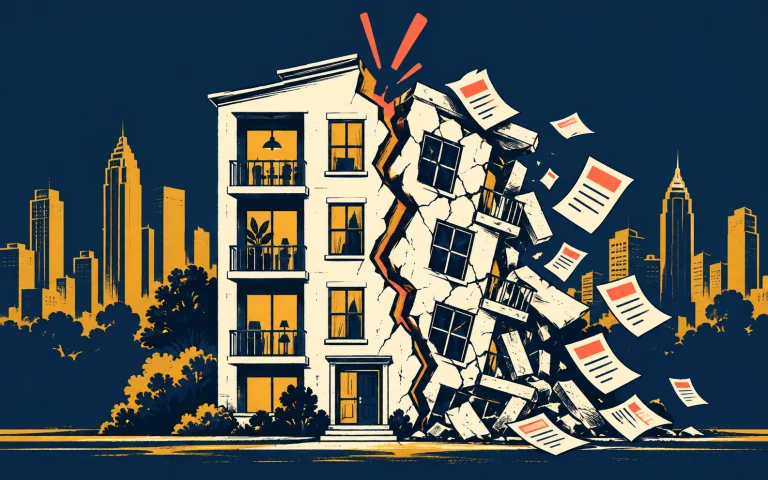
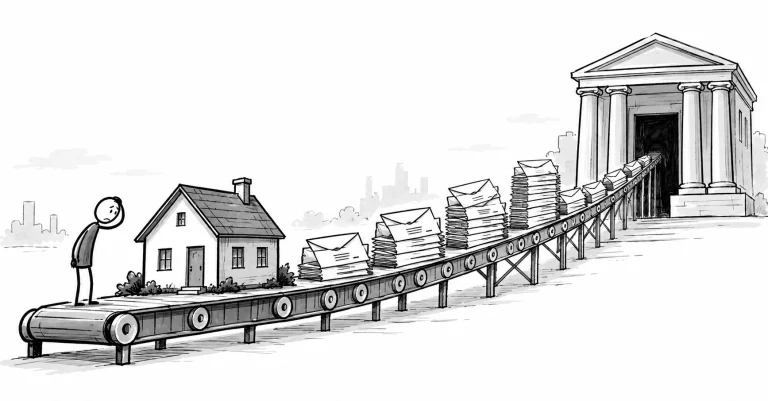
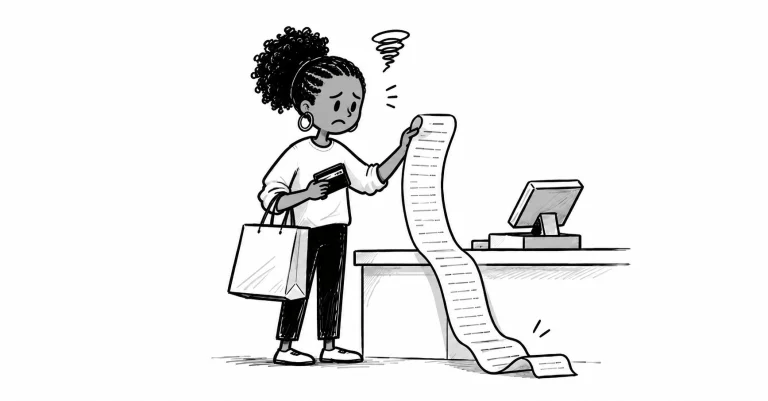
We keep asking whether America is in a recession. Atlanta’s eviction crisis suggests we may be asking the wrong question. The economy can keep growing while millions of households experience something that feels remarkably like contraction.
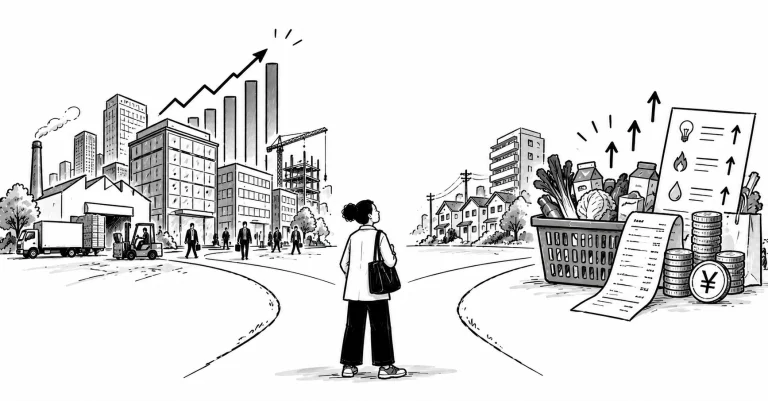
The Bank of Japan’s regional assessment shows improving activity alongside broader cost pass-through, leaving purchasing power central to the recovery.
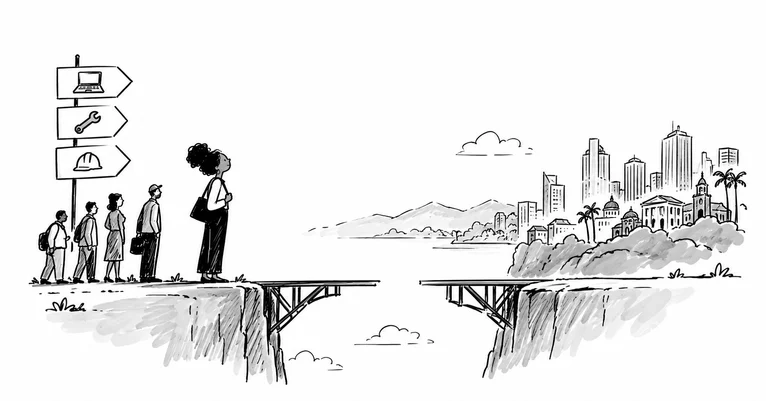
Inter-American Development Bank projections suggest artificial intelligence could increase regional output while reducing wages if displaced workers cannot move into expanding industries.
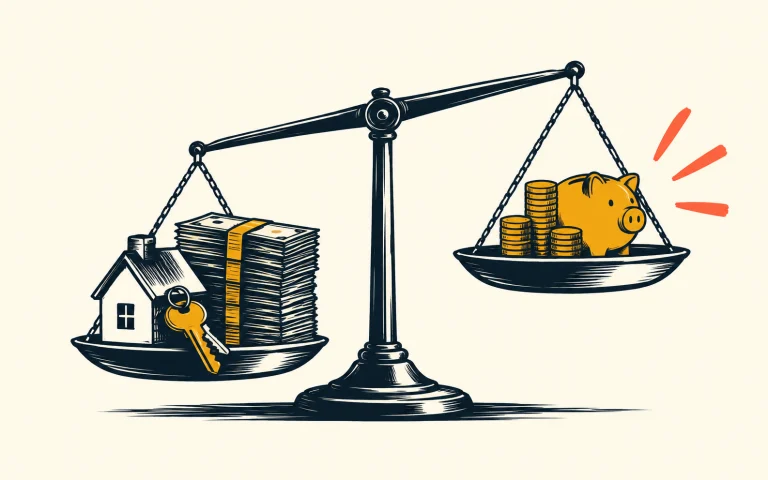
Renters now save about $12,800 a year compared with buyers, and renting is cheaper in all 50 major U.S. metros. Buying still wins, but only if you stay long enough.
Completed foreclosures jumped in August, led by Texas. Foreclosure levels are still far below the housing crash, but the number of borrowers seriously behind on their mortgages keeps rising.
San Francisco Federal Reserve President Mary Daly told Axios that demand for AI hardware could keep pushing prices up longer than the one to three years the Fed typically expects a supply shock to last. “It doesn’t seem like the demand for AI is going down. If anything, it’s going up,” she said, noting that companies are already seeking forward contracts for memory chips and redesigning products to use fewer of them. Daly described three pressures that could reinforce one another: AI hardware, tariffs and energy costs. She said the Fed’s latest move “seemed completely necessary at this juncture to respond to inflation risks going up,” and that whether more will be needed depends on whether those shocks prove temporary or compound. For borrowers, that suggests relief on rates may take longer to arrive.
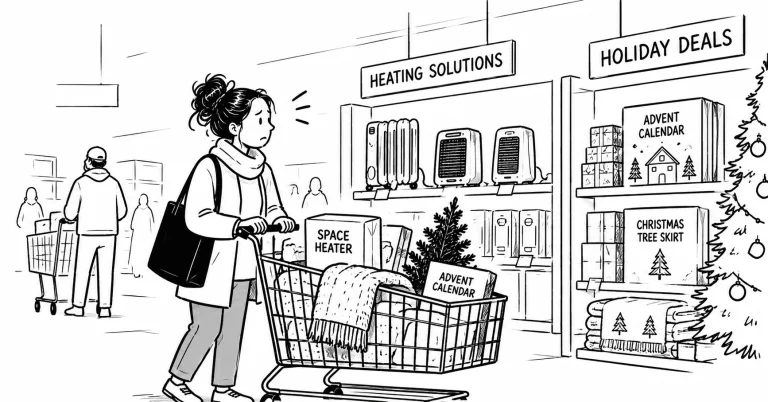
September orders for space heaters, firewood and advent calendars jumped as heating bills climb and confidence slips. The spending looks strong. The mood behind it looks cautious.
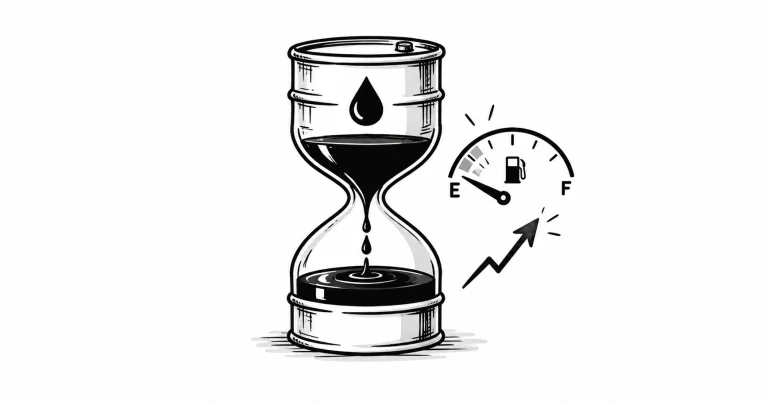
Households that heat with oil could pay about 50% more this winter, an average increase of $878 that would push the season’s bill past $2,600, according to the National Energy Assistance Directors Association. The Energy Information Administration’s winter outlook projects a smaller 21% rise in heating oil spending, along with a 4% increase for electricity and declines of 9% for natural gas and 3% for propane. The pressure traces back to global oil markets strained by the wars in Iran and Ukraine and by falling refinery activity. Only about 3% of U.S. households heat primarily with oil, but roughly 82% of heating oil use is concentrated in the Northeast, where many homes lack natural gas lines. For those families, two wars overseas are about to show up on the heating bill.
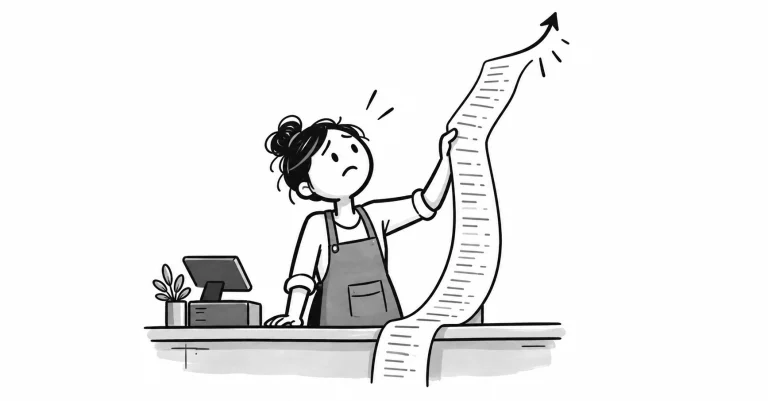
Consumer purchases are growing even after inflation, while confidence falls and some households face harder choices about essentials. The figures measure different parts of the same economy.