
More Black founders are building companies than ever. The programs that helped them win contracts and capital are being taken apart.
The number of Black-owned businesses with at least one employee topped 200,000 for the first time in 2023, a 62% jump from 2017, according to the latest Brookings Institution data cited by Black Enterprise. On Thursday, Brookings hosted a panel led by senior fellow Andre M. Perry on how community-based lenders could expand Black business ownership further. That conversation is happening because the growth story has a ceiling. Black-owned businesses still accounted for just 3% of firms and about 1% of gross revenues, even though Black Americans make up 14% of the population, NNPA’s Stacy M. Brown reported.
Where the support is disappearing:
- State contracts. In Texas, emergency rules issued in December 2025 stripped more than 15,000 businesses, nearly 97% of certified participants, of their Historically Underutilized Business status, cutting them off from a program tied to more than $4 billion in state contracts in 2024, Essence reported. The program now serves only service-disabled veterans.
- Federal programs. Shrinking federal support for disadvantaged businesses puts an estimated $10 billion to $15 billion in annual resources for Black-owned firms at risk, according to Arlington Economic Development.
- Capital. Black women-owned businesses grew 18.3% from 2022 to 2025, a Wells Fargo report found, but access to capital remains the barrier most founders hit.
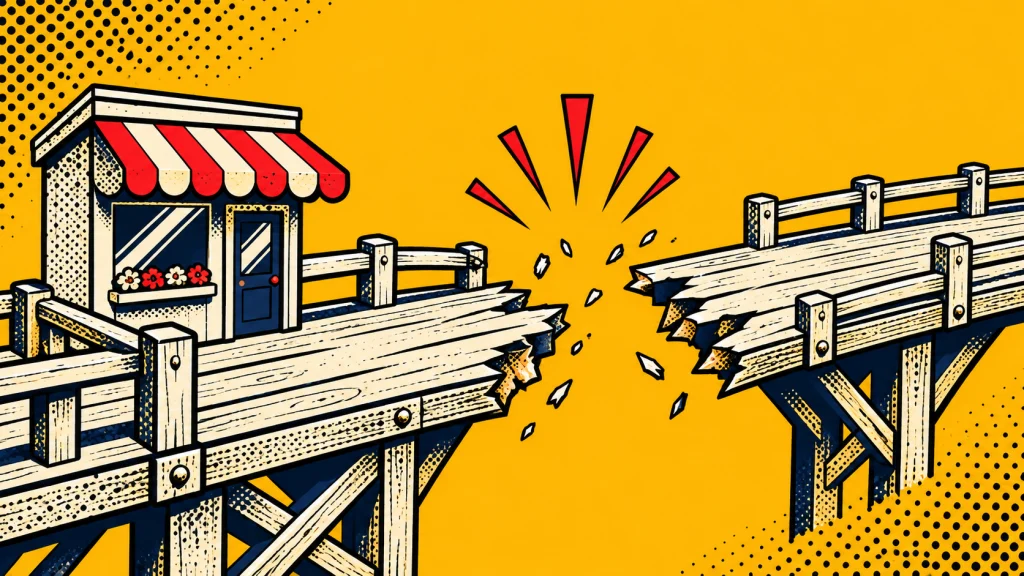
Starting a company and scaling one require different things. Formation takes grit and a little savings. Growth takes contracts, credit and buyers willing to take a chance on a new vendor. Certification programs were the bridge between the two, because they put small firms in front of buyers who would never have found them. Remove the bridge and the count of Black-owned businesses can keep climbing while their share of revenue stays stuck. More founders end up competing for the same small slice. The Texas fight is far from over: a court has already ordered six businesses reinstated, and the broader lawsuit is moving.
Expect the gap to be filled by community development lenders, Black-owned banks and corporate supplier programs, which is exactly what Brookings put on the table. The question for 2027 is whether private capital can replace public contracts fast enough, or whether a generation of new Black businesses stays small by design.