
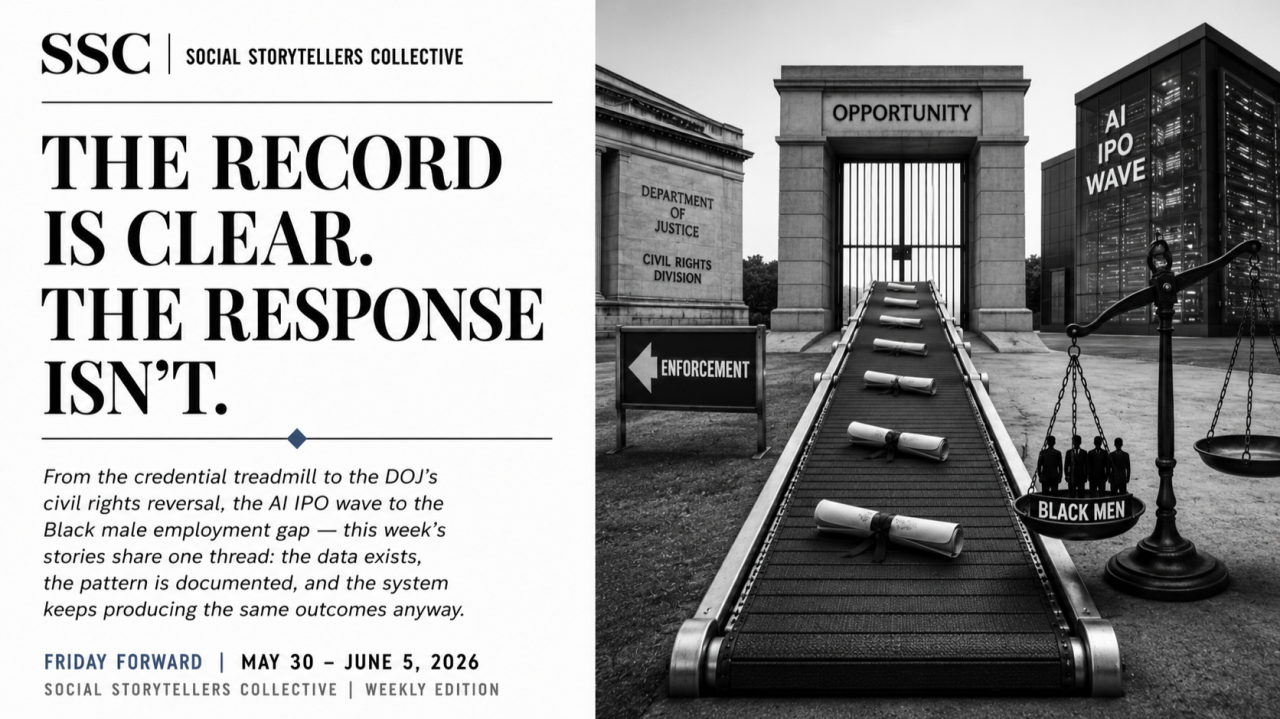
The Record Is Clear. The Response Isn’t.
From the credential treadmill to the DOJ’s civil rights reversal, the AI IPO wave to the Black male employment gap — this week’s stories share one thread: the data exists, the pattern is documented, and the system keeps producing the same outcomes anyway.
Friday Forward | May 30 – June 5, 2026 Social Storytellers Collective | Weekly Edition
Friday Forward is Social Storytellers Collective‘s weekly synthesis of the stories we tracked, reported, and analyzed across every beat. One document. The full week.
A candy store worker named Kim stood frozen in an airport concourse this week while Sounds of Blackness performed “Optimistic” live after hearing it playing through the store speakers. For two and a half minutes, travelers stopped moving. Phones came out. Strangers smiled at each other. In one of the most anonymous environments in modern life — a terminal built for movement, efficiency, and departure — something that rarely happens anymore happened: a room full of people remembered the same thing at the same time.
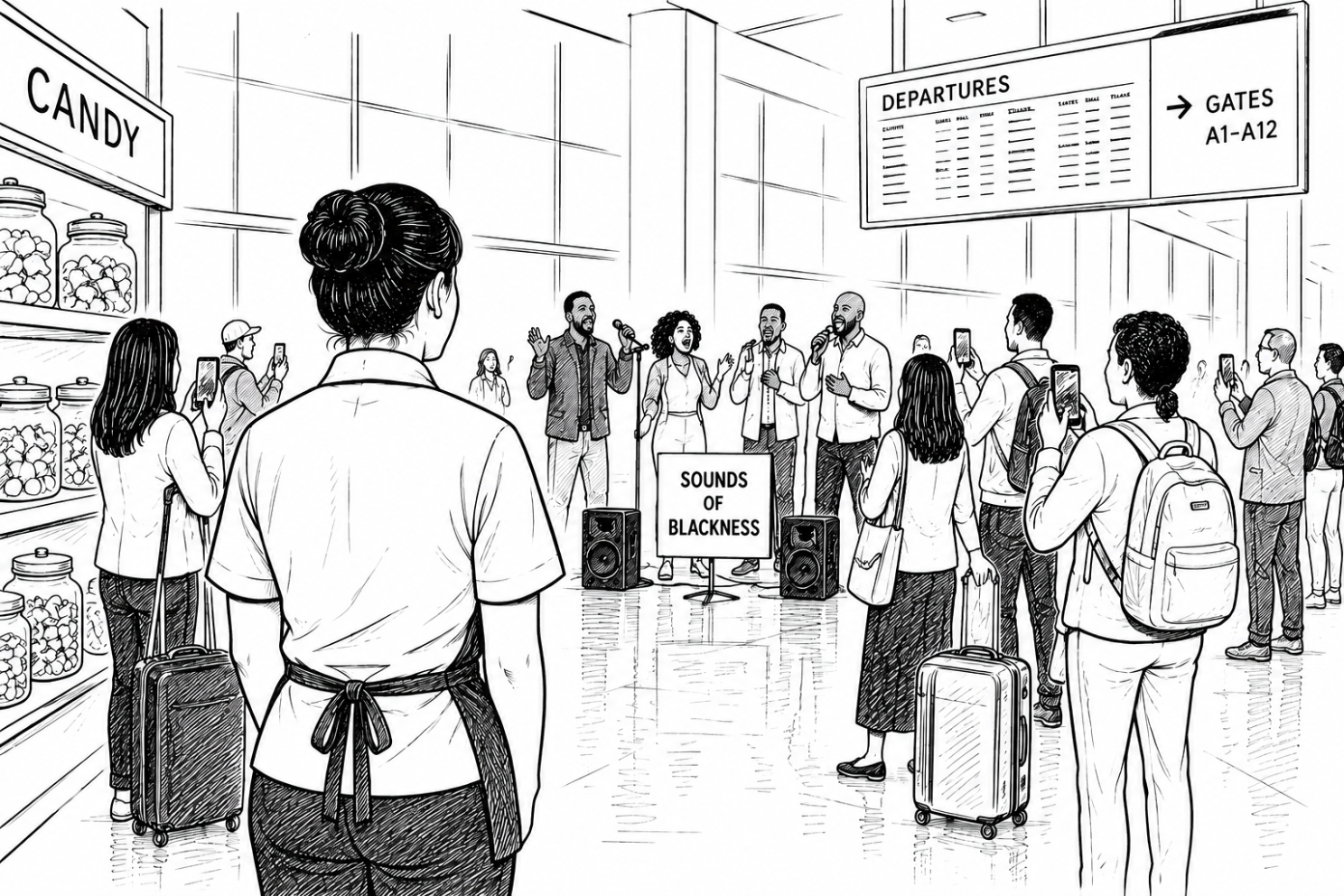
That moment kept pulling at us all week. Not because it was the biggest story we covered. Because a song called “Optimistic” stopped a room full of strangers — and every story we covered this week was about what happens when the institutions that are supposed to make that feeling possible start working against the people who need it most.
This week the Department of Justice’s Civil Rights Division opened an investigation into a university for running programs designed to include the students it was built to protect. Louisiana redrew its congressional map to dismantle a majority-Black district one month after the Supreme Court ruled the previous one was an illegal gerrymander. 70 percent of people in ICE detention have no criminal conviction — and the office responsible for oversight was shut down in May. The data on Black male employment has been clear for 25 years. The data on Black men and prostate cancer has been clear for decades. The Ebola response gap is not a resource problem. It is a decision.
Kim’s reaction in that airport wasn’t just joy. It was recognition — the particular relief of encountering something that was made for you, by people who understood what you needed, in a world that increasingly does neither. How many institutions can you name that still work that way?
The Labor Market and the Workers It Keeps Not Seeing
In 2000, researchers began tracking a gap. Prime-age Black men — ages 25 to 54 — were employed at a rate 11.4 percentage points below white men. By 2025, after a quarter century of economic expansions, recessions, policy debates, and workforce development programs, the gap was exactly the same. Bryson Davis reported this week on a new Center for Economic and Policy Research study by researcher Algernon Austin that dismantles every conventional explanation in sequence. Black men have higher educational attainment than Hispanic men, who have a substantially higher employment rate. Among young men with no high school diploma — where credentials are essentially irrelevant — the Black-white employment gap doesn’t shrink. It widens to 16.6 percentage points. A computer repair training study makes the mechanism explicit: Black and Latino participants achieved A+ certification at nearly identical rates — 53 and 54 percent — and after completing the program, Latino participants saw a meaningful employment gain while Black participants saw none. Same credential. Same completion rate. Different outcome. $65 billion in lost earnings in 2025 alone. 1.3 million jobs short of parity. The data has been available for decades. The policy response has not arrived.
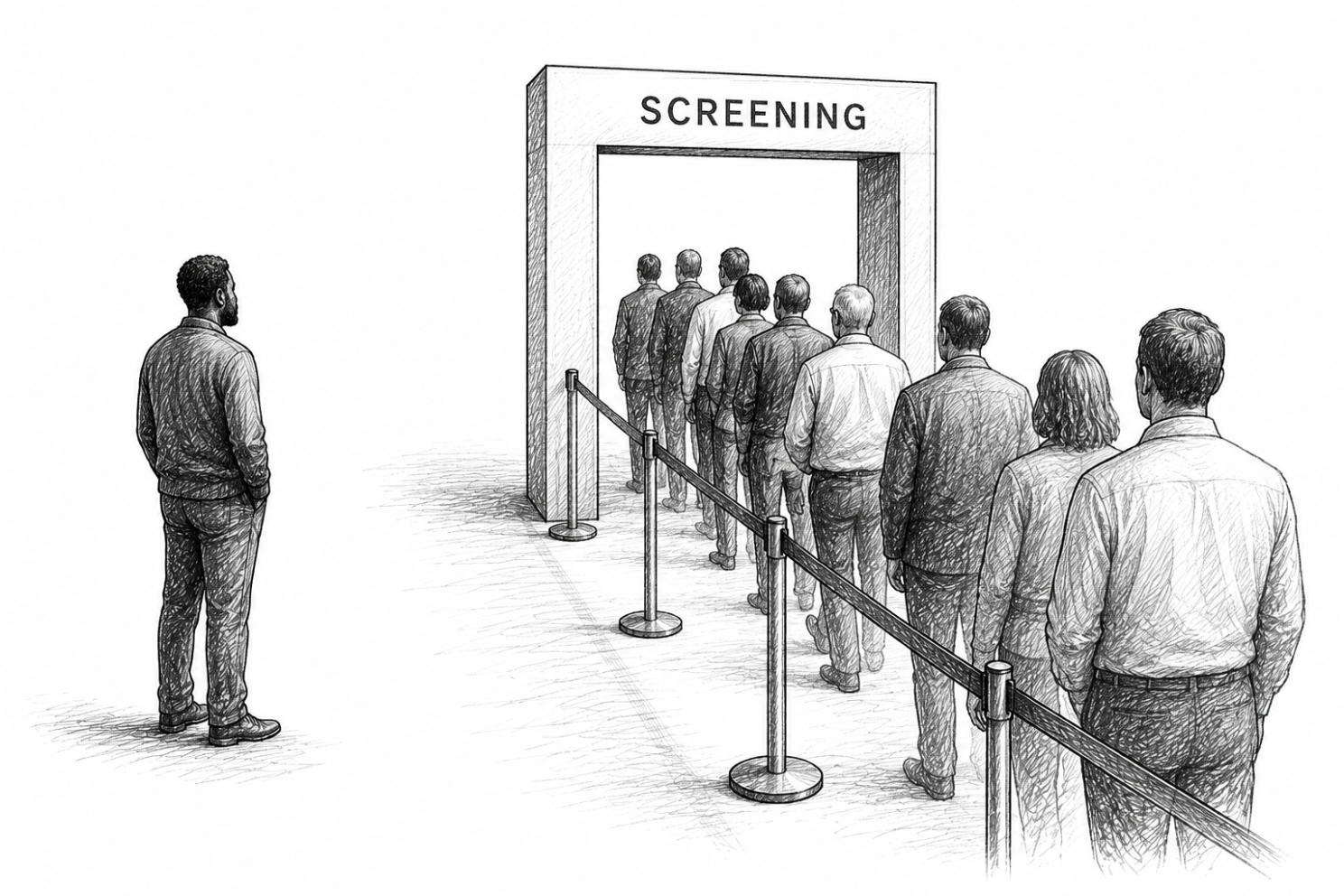
The healthcare system is making the same calculation. Black men are twice as likely to develop prostate cancer and twice as likely to die from it. That disparity has been documented for decades. It was not the organizing question when the screening system was built — and the system has never been redesigned around it. The UK’s National Screening Committee announced this week that it is expanding the Transform trial specifically targeting Black men aged 45 to 74. The announcement is being called historic. What it actually is: an acknowledgment that the men carrying the highest risk were never centered in the system designed to catch the disease early enough to save them. What demands an answer is not why the expansion is happening now. It is why it took this long.
SSC concluded its four-part Credentialing Class series this week with a number that doesn’t appear in any platform marketing. The Treadmill Problem documents what happens when the credential economy profits from issuance regardless of outcome: 90 percent of employers say they will offer higher starting salaries to candidates with micro-credentials. Among professionals who completed a program, 28 percent received a pay raise. Which means 72 percent did not. The workers with the least margin to absorb a credential that doesn’t deliver are the ones taking the most risk on a market that keeps moving the finish line.
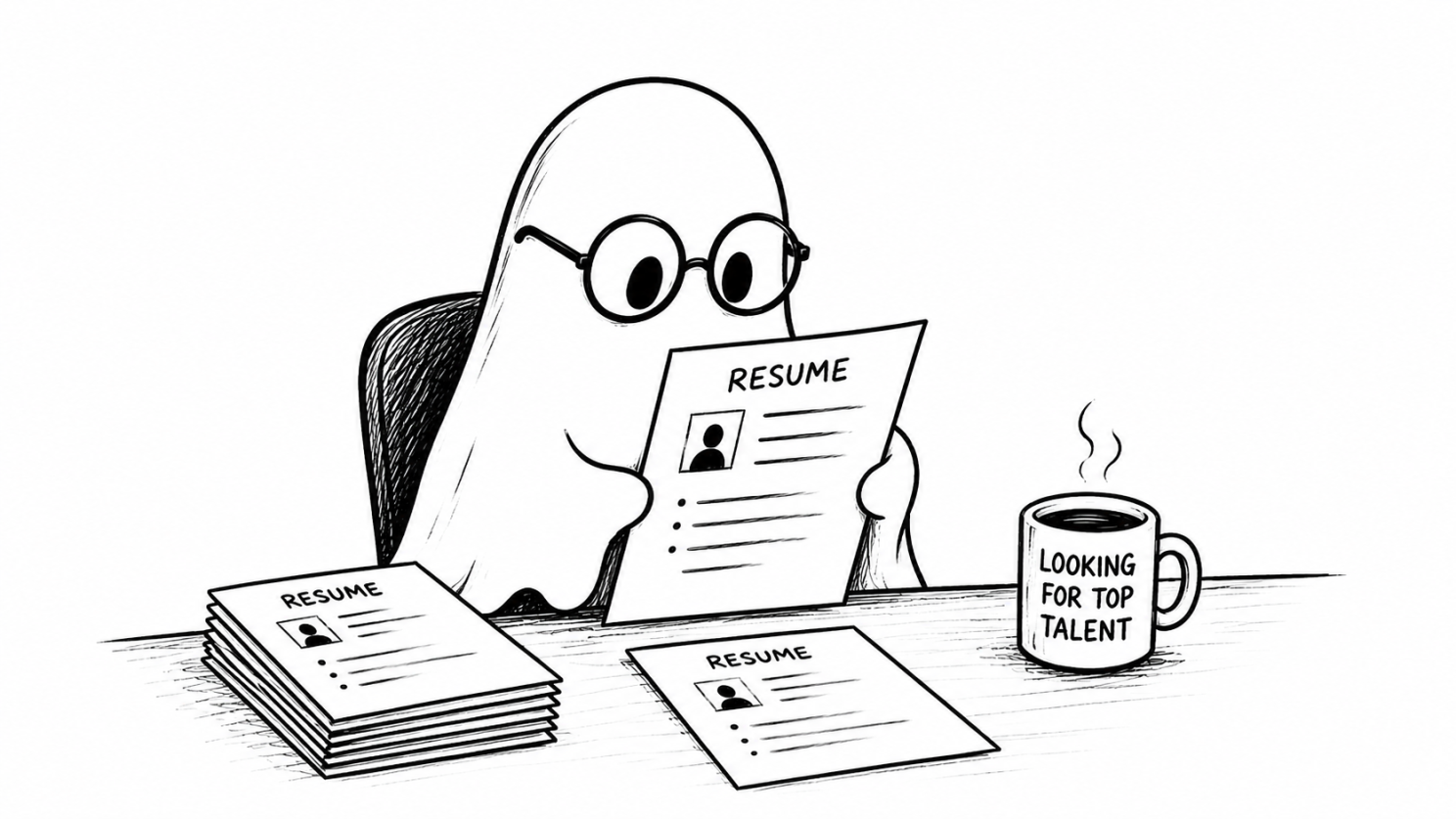
The Class of 2026 is entering the highest unemployment rate for recent college graduates in four years — with junior-level job postings down 7 percent even as the number of graduates creating job profiles nearly doubled. Between 28 and 32 percent of posted openings are ghost jobs — positions that exist to collect resumes or satisfy HR requirements rather than fill actual roles. The gap between those two numbers is where a generation of workers is disappearing.
A Federal Reserve Bank of New York study released this week found that remote work is responsible for nearly two-thirds of the rise in unemployment among young college graduates since the pandemic. The unemployment rate for graduates between 22 and 27 reached 5.8 percent last year. The mechanism is mentorship. The office was the primary mechanism through which professional knowledge, institutional relationships, and career capital transferred. Remote work didn’t change where people worked. It privatized that transfer — making it available only to workers who already had networks, sponsors, and access to informal guidance.
And as SSC documented this week, the jobs that do exist are producing a quiet contradiction. Challenger, Gray & Christmas, Inc. recorded 97,006 announced job cuts in May — the highest May total since 2020 — with artificial intelligence named as the leading stated cause for the third consecutive month. The economy is adding jobs and cutting them simultaneously. The workers on each side of that ledger are not the same people.
The Technology Running Underneath It
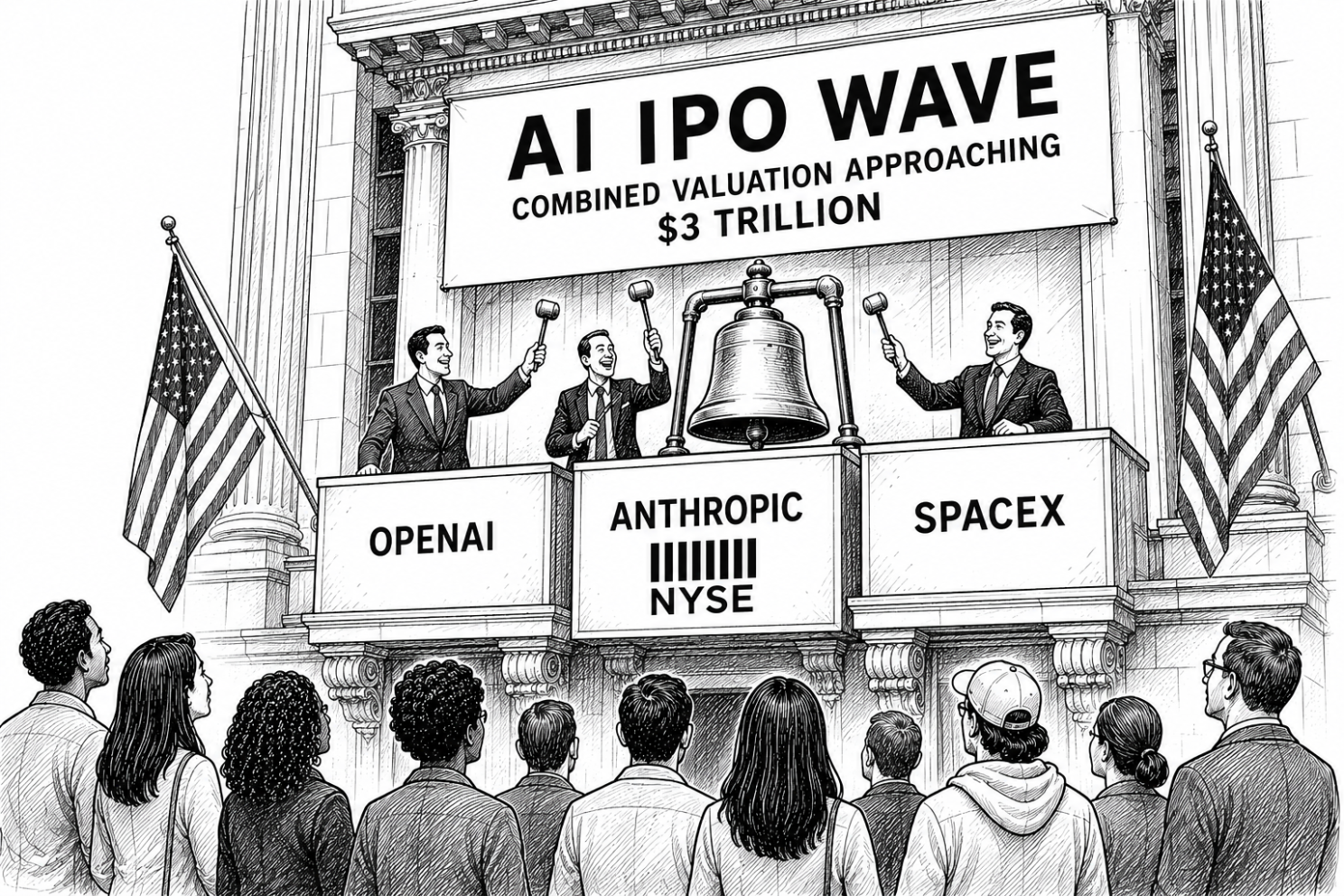
Goldman Sachs CEO David Solomon stood at the Economic Club of New York this week and said something out loud that the financial industry usually keeps in the subtext: “We are definitely in a moment where there’s more greed than there is fear.” He was talking about AI — specifically the IPO wave building around OpenAI, Anthropic, and SpaceX, three companies preparing to enter public markets at combined valuations approaching $3 trillion. He did not mention which workers are not in the market.
The workers who were supposed to be protected by the predictions are finding out what the correction actually cost. Sam Altman said he was “pretty wrong” about AI’s economic impact. Dario Amodei quietly reframed automation from job destroyer to productivity multiplier. Both walked back their positions in a correction that arrived on a schedule that served the people who made the mistake, not the people who lived inside it. The workers who spent 2025 restructuring their lives around those forecasts did not get a correction. They got a rescheduled narrative timed to a roadshow.
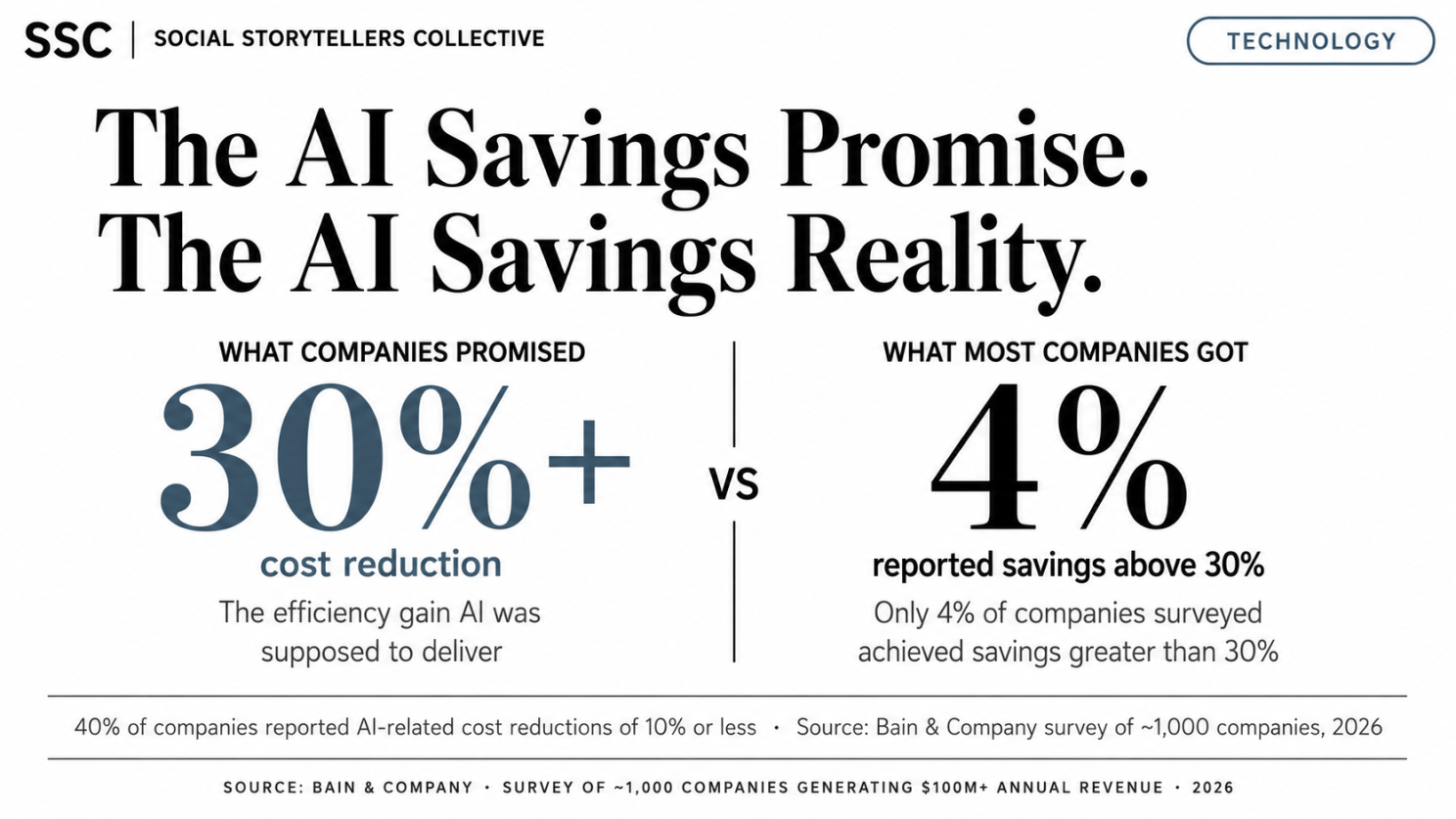
The efficiency gains the narrative promised are not arriving either. A Bain & Company survey of nearly 1,000 companies generating more than $100 million in annual revenue found that 40 percent reported AI-related cost reductions of 10 percent or less. Only 4 percent reported savings greater than 30 percent. Uber blew through its entire 2026 AI budget in four months with nothing measurable to show for it. As SSC reported, AI writes the code and humans clean it up — 44 percent of AI coding tokens are being spent fixing AI-generated bugs. The junior developers cut to make room for these tools are the same workers who would have caught the problems.
ChatGPT reached 1 billion global monthly active users in May — the fastest any app has ever reached that milestone. Microsoft launched Scout — an AI agent that runs Microsoft 365 in the background without being asked, with internal planning documents describing the goal as making users “addicted” before the feature set expands. As SSC argued this week, the number underneath the milestone is the one that matters — the infrastructure decisions being made right now by a small number of companies will shape how billions of people access knowledge and perform work for decades.
Nearly 50 U.S. embassies and consulates across Africa that currently process visa applications will be reduced to 20 regional hubs, per a directive approved by Secretary of State Marco Rubio. For applicants in non-hub countries, the door has not been closed — it has been moved. Requiring international travel to another country before the application process even begins is not a neutral administrative change. It is a restructuring of who can realistically participate.
A Glamour UK investigation, reported by Black Enterprise Magazine, found that AI-generated influencers modeled after Black women are attracting millions of views on TikTok and Instagram — built by scraping real Black women’s content, replicating their movements, facial features, and likenesses without consent. The women whose content trained the models have not been compensated. TikTok and Meta say violating accounts have been removed. That framing deserves scrutiny — removal after the fact is not the same as a system that prevents the extraction in the first place. And Reuters Breakingviews columnist Shritama Bose reported that workforce growth at Reliance Industries — one of India’s most powerful corporate institutions — slowed from 16 percent to 4 percent year over year as it restructures around AI. The AI economy is proving effective at creating value. What it has not answered is whether it intends to distribute any of it.
Policy and the Institutions Doing the Opposite of What They Were Built to Do

There is a particular kind of institutional reversal that is hard to name in real time because it uses the original language of protection to justify its opposite. The Civil Rights Division of the U.S. Department of Justice was created after decades of documented discrimination against Black Americans and other historically excluded groups. This week it opened a civil rights investigation into Arizona State University — not because the university discriminated against anyone, but because it ran programs designed to include students who have historically been excluded. Arizona State University President Michael Crow called the recording tactic used to trigger the investigation “a terrible thing to do to someone.” The DOJ opened the probe anyway. The chilling effect doesn’t require a finding. It requires only the announcement.
In Louisiana, lawmakers passed a new congressional map along party lines that dismantles a majority-Black district one month after the Supreme Court ruled the previous one was an illegal gerrymander, as reported by Black Enterprise Magazine. Rep. Cleo Fields’ district is being redrawn around predominantly white communities. Governor Jeff Landry is expected to sign. The Supreme Court opened the door. The legislature walked through it within weeks.
70 percent of the people currently held in ICE detention have no criminal conviction. An Albanian man pulled out his own tooth after months of untreated dental pain. A Romanian man had a stroke on a video call with his daughter after a facility repeatedly failed to give him his post-cardiac surgery medications. A California judge ordered the government to take a man showing signs of prostate cancer to a specialist. Records show they did not take him. The Office of the Immigration Detention Ombudsman — the oversight body that was supposed to catch these failures — was shut down in May. There is now no one to call. That is not a breakdown.
The National Trust for Historic Preservation released its 2026 list of most endangered historic places — and at least three of the eleven sites are not endangered by neglect or time. The Stonewall National Monument scrubbed. The President’s House Site in Philadelphia stripped of exhibits on enslaved people. A century-old church in Texas facing a border wall. What is endangered is not just the buildings. It is the argument the buildings were making.
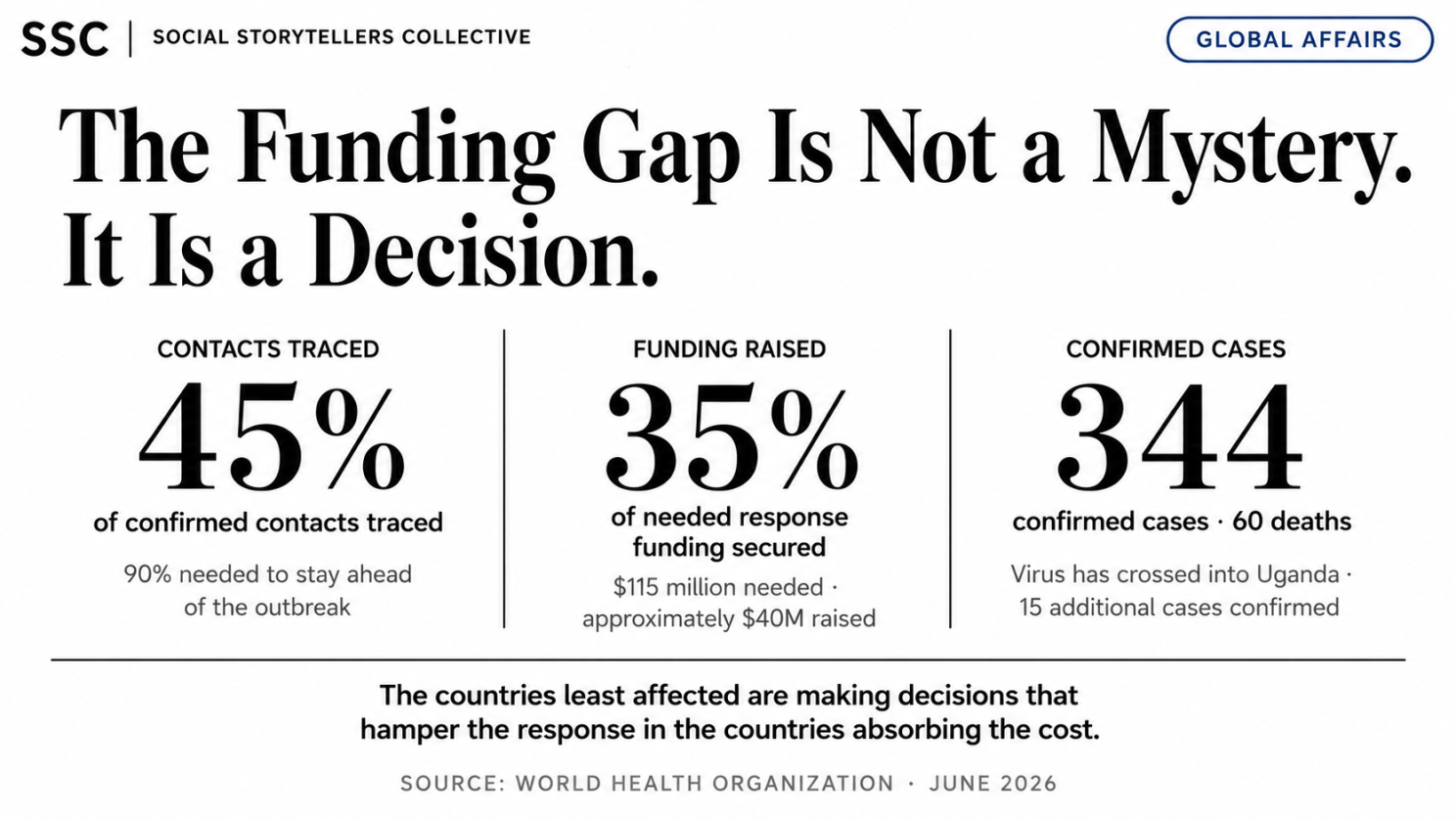
The World Health Organization confirmed the Ebola outbreak in the Democratic Republic of Congo has reached 344 confirmed cases and 60 deaths, with the virus crossing into Uganda. Only 45 percent of contacts have been traced — against a 90 percent threshold needed to stay ahead of the outbreak. The WHO needs $115 million over the next three months. As of this week, approximately 35 percent has been raised. The Ebola funding gap is not a mystery. It is a set of decisions made by governments that calculated the political cost of contributing was higher than the human cost of not.

Three countries ran the same immigration architecture simultaneously this week. Canada cut international student permits by 49 percent while its Prime Minister acknowledged the cuts are weakening the economy. In the United States, visa consolidation across Africa moved the door rather than closed it. In the United Kingdom, the immigration anxiety being politically mobilized is a funded, coordinated, transatlantic operation backed by American donors, as Bryson Davis documented in The Playbook Crossed the Atlantic. The welcome mat has always had fine print. What changed this week is that the fine print became the policy.
A Quinnipiac University Poll of 1,316 U.S. adults found that 61 percent of Americans believe the country is not living up to its founding ideals, while half say the nation’s best days are behind it. The significance is not that Americans have lost faith in the country. It is that many are separating the country from the institutions that govern it. Institutions that once relied on history and reputation to earn trust are increasingly being judged by measurable outcomes.
Charlotte added nearly 40,000 net new jobs over the past 12 months — outperforming Atlanta, Dallas, Austin, Nashville, and Miami. It is also a majority-minority city. Harvard University ‘s Opportunity Insights research has documented persistent racial mobility gaps in Charlotte specifically. A 2.9 percent employment growth rate in a city where Black residents are structurally concentrated in lower-wage sectors is not the same story as broad-based economic inclusion. The two are not the same thing — and the cities most celebrated for their headline numbers are often the ones where that distinction matters most.
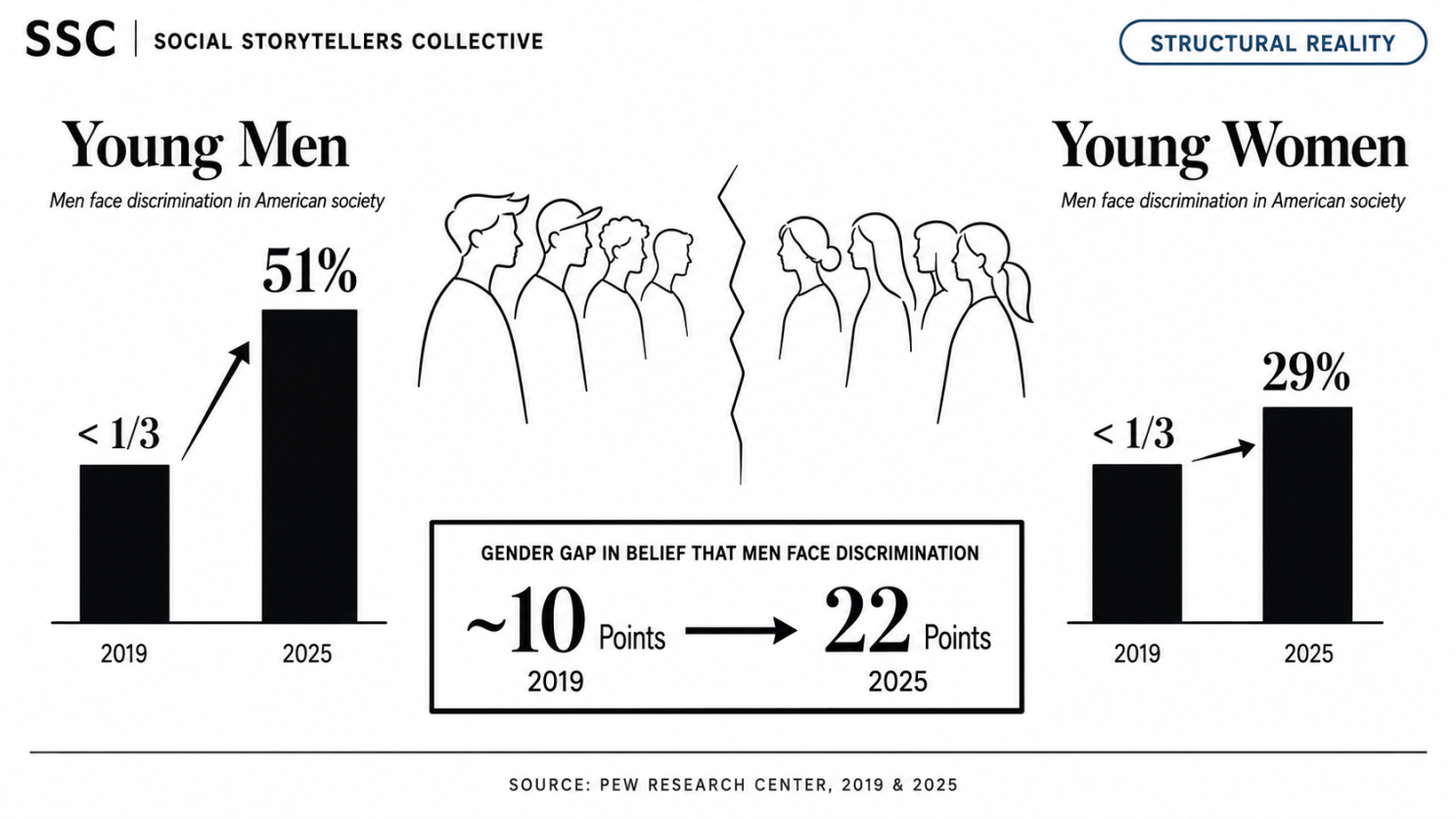
A 2025 Pew Research Center poll found that 51 percent of young men now believe men face discrimination in American society — up from fewer than one in three in 2019, producing a 22-point gender gap between young men and young women that did not exist a decade ago. As SSC reported, the pessimism is real — but what it’s pointing at is more complicated. The workers whose economic anxiety is rising are navigating a labor market reshaped by remote work, credential inflation, and an economy that has spent a decade consolidating opportunity at the top — not primarily a hiring market that gave their jobs to someone else.
The Culture and Who Gets to Define It

Leena Alridge asked the question the Madden NFL 27 cover announcement made unavoidable. When EA Sports unveiled Chicago Bears quarterback Caleb Williams with painted nails, what followed was not really a debate about nail polish. Rapper Boosie Badazz was among the loudest critics. What the reaction actually revealed is something older and more durable: the fight over who gets to define what Black manhood looks like in public, and what it costs to refuse the definition someone else wrote for you. Quarterback is one of the most symbolically loaded positions in American sports. The reaction to Williams was not about his nails. It was about his refusal to perform a role the way the role has always been performed. What would it mean if that refusal became ordinary?
Isaiah Rashad told Dominic Fike this week that he’d half-expected “Frank Ocean perks” — some version of the critical embrace that openness is supposed to confer — after his sexuality became public. Leena Alridge named what was actually missing. Frank Ocean published a letter in his own words before Channel Orange dropped and walked into that conversation as its author. Rashad was never offered that sequence. His privacy was violated, explicit videos spread without his consent, and by the time he spoke, the conversation about him was already running without him. The advantages he imagined were not rewards for being out. They were the dividends of authorship. You cannot collect the perks of self-definition when self-definition was the thing taken from you.
Jay-Z showed up at the Roots Picnic and delivered a freestyle that stopped the conversation. The same weekend, Kanye West performed for 118,000 people in Istanbul on the back of a Wall Street Journal apology tour. One man managed his image. The other settled the score in public, in real time, in front of the people who were there from the beginning. The difference between those two choices is worth sitting with longer than the news cycle allowed.
BET announced its first-ever advisory board — Queen Latifah, LL Cool J, Bob Johnson, and leaders from finance, sports, and corporate media. The headline focused on the names. The story is why BET believes it needs one now — navigating life under the newly consolidated Paramount Skydance structure, preparing for the shutdown of BET+, and attempting to redefine relevance in an ecosystem where cultural authority is increasingly decentralized. The question is not who is at the table. The question is whether the table still belongs to them.
For more than two decades, DJ Screw’s catalog lived in car trunks, barbershops, and hand-to-hand tape exchanges across Houston — no major label, no streaming, no algorithm. His chopped-and-screwed sound shaped an entire city’s identity and then quietly shaped the rest of the music industry. The algorithm found Houston this week. The question SSC is sitting with is what it means when a cultural archive that survived without institutional support finally gets institutional attention — and whether that attention arrives on the archive’s terms or the platform’s.
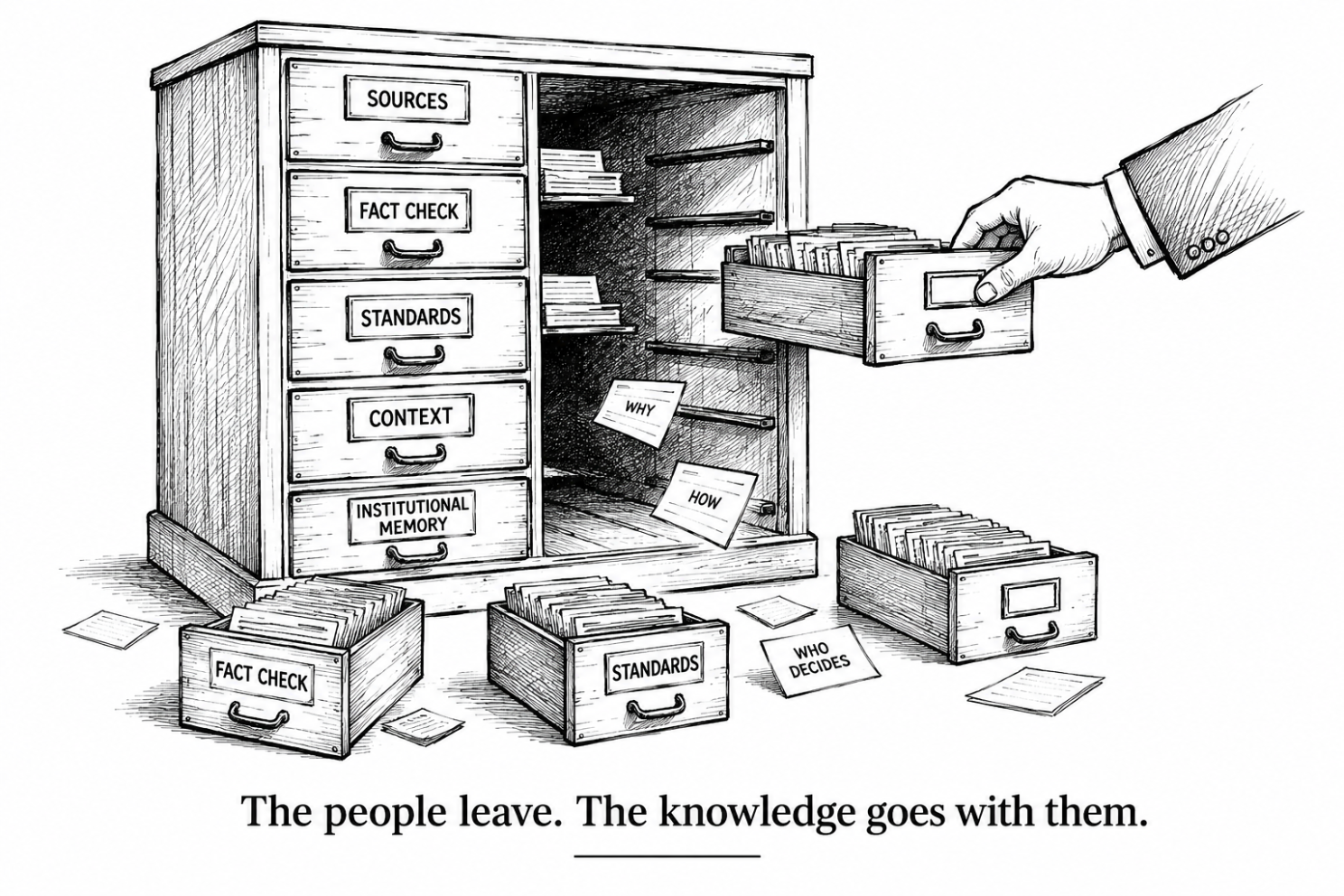
The firing of Scott Pelley — the fourth major exit from 60 MINUTES since February — is being covered as a clash of personalities. In less than four months, CBS News has removed an executive producer, two senior correspondents, an executive editor, and now its most decorated on-air journalist. As SSC reported, this is not a personnel story. It is an institutional dismantling — replacing decades of accumulated editorial knowledge with leadership whose primary qualification appears to be alignment with new ownership priorities. The same question runs through the BET board story, the DJ Screw piece, and this one: who controls the infrastructure that determines what culture gets preserved, distributed, and called credible?
And Denise Gregory became the permanent president of Jackson State University on May 1 — after a year in the interim role stabilizing an institution that has cycled through four presidents in six years. She is receiving something none of her predecessors got: a year of outside leadership coaching, part of a $97,500 contract Mississippi Institutions of Higher Learning signed with AGB Search, LLC . That coaching is being framed as support. It is worth naming what it actually is: the baseline that should have been standard all along. The support being treated as exceptional for Gregory should have been standard. The fact that it was not is part of why Jackson State has had four leaders in six years.
What We Are Watching
The DOJ Civil Rights Division probe into ASU is not the end of this story. It is the signal. We are watching which institutions quietly wind down programs they cannot afford to defend — and what the information environment looks like when those programs disappear without announcement. The full argument is in The Justice Department’s Civil Rights Division Is Now a Tool for Investigating Civil Rights Programs.

We are watching the AI IPO wave. OpenAI, Anthropic, and SpaceX are preparing to enter public markets at combined valuations approaching $3 trillion. The roadshows have started. The distributional argument — who benefits, who absorbs the cost — is not yet being made loudly enough. SSC laid the groundwork this week in Stable Jobs. Unstable Workers. and will keep making it.
We are watching Louisiana’s redrawn congressional map as one data point in a broader redistricting pattern moving faster than anyone predicted in the months since the Supreme Court’s VRA ruling. November is closer than it looks.

And we are watching the Ebola funding gap. The $75 million still needed is not a large number for the governments being asked to contribute it. The decision not to contribute it is a policy choice. The communities absorbing the consequence of that choice were not consulted when it was made. SSC named the structure in 344 Confirmed Cases. 45 Percent of Contacts Traced. The Ebola Response Gap Is a Structural Argument.
The record is clear. The response isn’t. Kim stood frozen in an airport terminal this week while a song written in 1990 stopped everyone around her. The institutions that were supposed to hold that memory — that were supposed to work the way that moment worked — are being redirected, consolidated, and dismantled. SSC will keep reading the distance between what the data documents and what the system produces, and naming it honestly.
SSC publishes the End of Day Closing Note every weekday — a daily synthesis of the stories shaping the structural landscape. Subscribe on LinkedIn https://www.linkedin.com/build-relation/newsletter-follow?entityUrn=7454971478585856000
See you next Friday.
— The SSC Team