
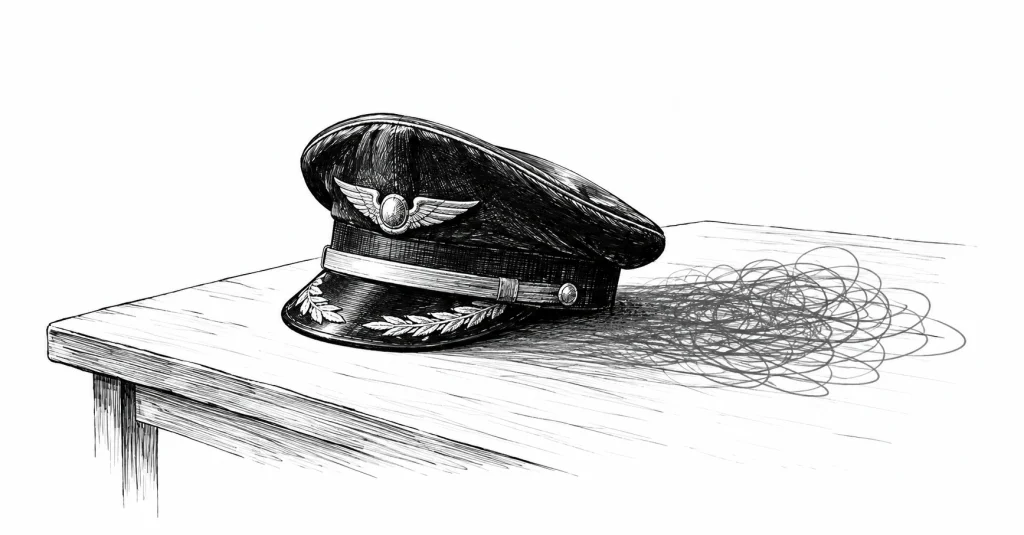
The Flydubai cockpit attack has put pilot psychological fitness back under scrutiny. The harder question is whether aviation can identify psychological risk without discouraging pilots from seeking help.
The aviation industry has spent decades building systems designed to keep an unsafe pilot out of the cockpit. In the United States, airline pilots undergo recurring medical examinations, must disclose relevant medical history and medications, and can be referred for additional psychiatric or psychological evaluation when concerns arise. But the system depends heavily on something considerably harder to regulate than blood pressure, eyesight or hearing: a pilot telling someone when something is wrong. The Federal Aviation Administration has acknowledged that fear of losing certification, income or a career can discourage pilots from doing exactly that.
That question has returned to public attention after the extraordinary events aboard Flydubai Flight FZ1073. The Dubai-to-Tel Aviv flight diverted to Tabuk, Saudi Arabia, after an altercation in which the copilot allegedly stabbed the captain inside the cockpit. The aircraft landed safely after passengers and crew intervened. UAE authorities are investigating what happened and have cautioned against speculation about the cause; a psychological motive has not been established. The incident nevertheless raises a broader safety question aviation regulators have been confronting for years: How do you determine whether someone is psychologically fit to fly when mental fitness can change between examinations and the system partly relies on self-reporting?
Psychological fitness is not a one-time test
Under the FAA system, pilots undergo medical examinations with Aviation Medical Examiners at intervals determined by their age and type of flying. Applicants report medical history, medications and relevant visits to health professionals. An examiner who identifies a concern can request additional information, require psychological testing or refer the case to the FAA’s Office of Aerospace Medicine. The FAA can also order psychiatric and psychological evaluations when information from another source raises concerns about a pilot’s fitness. Some airlines impose additional screening requirements of their own.
International guidance recognizes the limits of that approach. The International Civil Aviation Organization recommends that periodic medical examinations include questions about mental health and behavior, but its guidance emphasizes creating conditions in which pilots will speak candidly. ICAO has even recommended that, absent an immediate flight-safety concern, examiners consider limiting what is formally recorded from those conversations to encourage openness. Psychological fitness cannot be measured solely through a screening instrument. It also depends on whether pilots believe they can speak openly about their health.
The disclosure problem
The U.S. Department of Transportation’s inspector general examined this problem in 2023 and reached a striking conclusion. The FAA had comprehensive procedures for evaluating pilots’ psychological health, the audit found, but its ability to mitigate risk was limited by pilots’ reluctance to disclose mental-health conditions. Industry and FAA officials identified stigma, possible career consequences and financial hardship as major deterrents.
The FAA’s own Mental Health and Aviation Medical Clearances Aviation Rulemaking Committee went further. Its 2024 report recommended changing disclosure requirements surrounding some psychotherapy, arguing that pilots could avoid ordinary counseling because they feared what seeking treatment might do to their medical certification. The committee described a scenario in which a pilot dealing with something as common as divorce could face three choices: seek help and disclose it, seek help and conceal it, or avoid treatment altogether. The committee concluded that barriers to early treatment could themselves become an aviation-safety problem.
There is evidence that the concern is more than theoretical. A 2016 anonymous survey of airline pilots found 12.6% of respondents who completed the relevant questionnaire met the threshold for depression, while 4.1% reported suicidal thoughts during the previous two weeks. The researchers cautioned that the survey’s sampling method limits how broadly those percentages can be applied to the entire pilot population. More recent research has continued to identify fear of jeopardizing an aviation career as a barrier to disclosing symptoms and seeking health care.
The system is changing
The FAA has been trying to reduce those barriers. It has expanded pathways for some anxiety and depression diagnoses, permitted additional antidepressant medications under specified conditions, increased mental-health training for Aviation Medical Examiners and supported pilot peer-assistance programs. Updated FAA guidance published in May 2026 explicitly tells pilots that they can seek therapy and encourages them to get help before problems become severe. Pilots are expected to remove themselves from flying when symptoms significantly interfere with concentration, judgment, emotional stability, alertness or other cockpit functions.
The challenge is not simply identifying pilots who have received mental-health treatment. Treatment itself does not establish that someone is unsafe to fly, and the FAA says most treated mental-health conditions do not automatically disqualify pilots. Regulators instead have to identify impairment and operational risk while creating a system in which pilots are willing to seek care before a problem becomes more serious.
The investigation into Flight FZ1073 may eventually establish why the Flydubai copilot allegedly attacked the captain. Until then, attributing the incident to mental illness would get ahead of the evidence. But the episode puts renewed attention on a problem aviation regulators were already trying to solve: psychological fitness can change between medical examinations, and detecting those changes depends partly on whether pilots are willing to report them.