
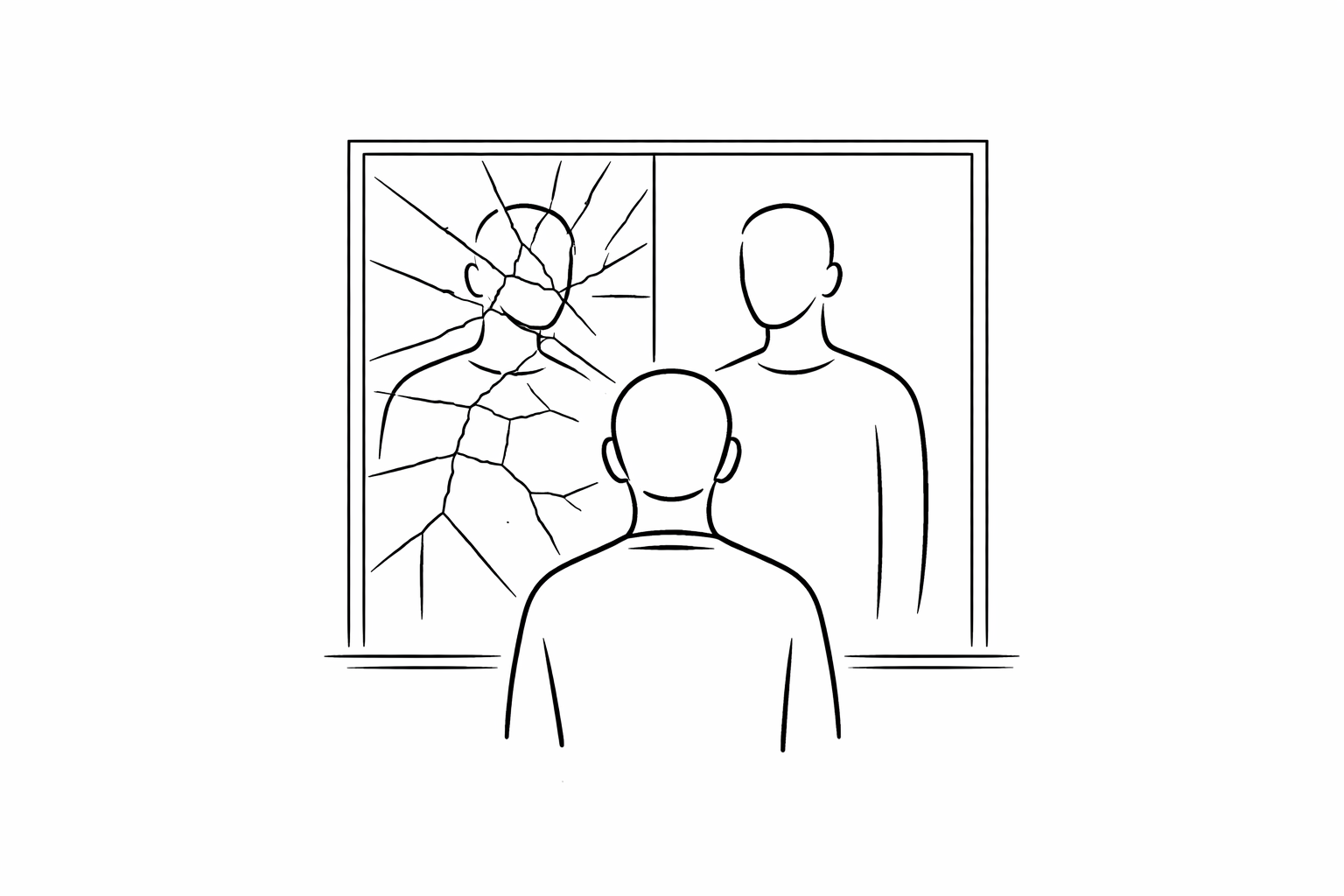
Life after divorce is often described as a fresh start, but in practice, it rarely feels that simple. Once the legal process ends and routines begin to stabilize, a quieter phase begins—one shaped less by logistics and more by reflection. According to the Pew Research Center, more than one-third of Americans who have ever been married have experienced divorce, underscoring how common this transition has become. What follows is not just an ending, but a shift inward.
That process can be uncomfortable. It is often easier to assign responsibility entirely to the other person than to confront the ways communication broke down, boundaries were unclear, or important conversations were avoided. At the same time, self-reflection can easily move past accountability into something more critical. The line between learning and self-blame is not always obvious, particularly when people begin replaying decisions with the clarity they did not have at the time.
This is where the idea of self-forgiveness becomes essential. Not as a way to dismiss mistakes, but as a way to prevent reflection from turning into permanence. Growth requires an honest assessment of behavior, but it also requires the ability to release the belief that past missteps define future outcomes. Without that balance, individuals risk becoming anchored to a version of themselves that no longer reflects who they are becoming.
Timing also plays a significant role in how relationships unfold. Many decisions are made with limited emotional awareness, shaped by past experiences, stress, or incomplete understanding. Over time, people often develop stronger communication skills, clearer boundaries, and a more grounded sense of identity. The gap between who someone was during a relationship and who they are afterward can be substantial, which makes holding past decisions to present standards both common and misleading.
What follows divorce, then, is not simply recovery but integration. The goal is not to erase what happened or to minimize its impact, but to understand it in a way that informs future relationships. Patterns become clearer. Expectations become more defined. The ability to recognize misalignment earlier becomes stronger. These shifts are less visible than the end of the relationship itself, but they are often more consequential.
In that sense, moving forward is not just about leaving a relationship behind. It is about developing a more accurate understanding of oneself—one that allows for accountability without becoming trapped in it. Self-forgiveness, in this context, is not a conclusion. It is an ongoing process that makes growth possible.
Three Ways to Begin the Work of Self-Forgiveness
1. Separate reflection from identity
Recognizing mistakes is necessary. Defining yourself by them is not. The goal is to understand what happened without turning those moments into a fixed version of who you are.
2. Evaluate decisions within their timing
Many choices were made with the awareness, stress, and circumstances present at the time. Growth often creates distance between past behavior and present understanding. That context matters.
3. Replace replaying with reframing
Revisiting the past can either reinforce regret or produce insight. The shift happens when the focus moves from “Why did I do that?” to “What did that teach me moving forward?”