
On Teyana Taylor, the 2026 Oscars, and what we reveal when we watch Black artists celebrate
The Oscars are meant to be a celebration of film, but they are also a stage where culture often reveals itself in unscripted moments. This year, one of those moments involved Teyana Taylor. Cameras captured her cheering enthusiastically during the ceremony, applauding fellow nominee Amy Madigan when she won Best Supporting Actress. Taylor’s reaction appeared joyful and supportive — exactly the kind of gracious moment award shows often hope to see between artists. Yet the reaction online quickly became something else. Some viewers praised her for showing genuine sportsmanship. Others questioned whether the applause seemed too enthusiastic, analyzing her expression and body language in ways that turned a simple moment of support into a debate about authenticity.
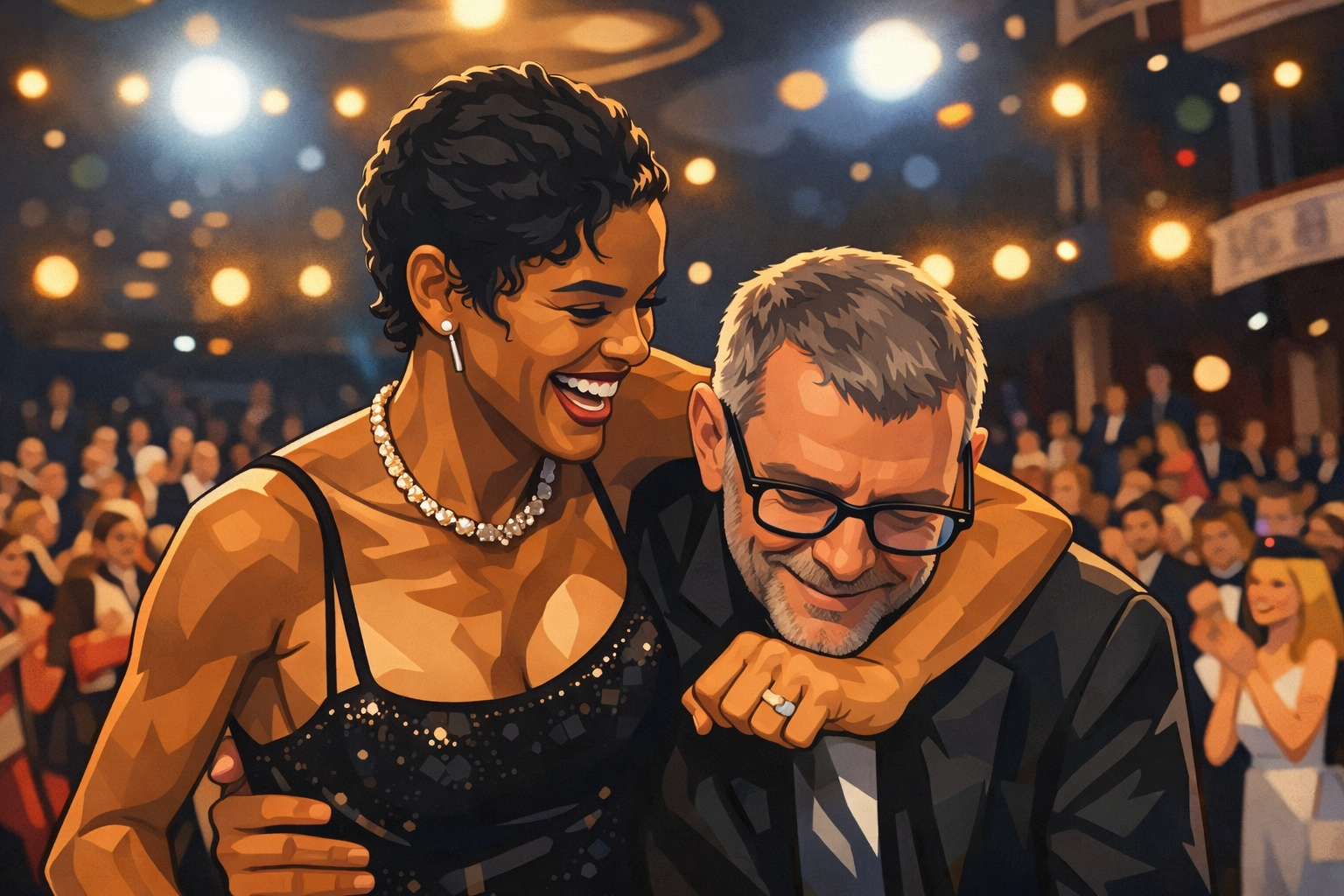
The scrutiny didn’t stop there. Later in the evening, another clip began circulating widely — Taylor celebrating with director Paul Thomas Anderson after One Battle After Another won Best Picture, wrapping her arm around him in what appeared to be a playful headlock as the two marked the film’s victory. The interaction lasted only a few seconds, but once the image spread across social media it became yet another moment dissected frame by frame.
Together, these reactions reveal something familiar in the cultural landscape surrounding Black entertainers. Emotional expression — whether joy, enthusiasm, humor, or frustration — is often interpreted differently depending on who is displaying it. What reads as passionate or charismatic for some performers can quickly be reframed as excessive or inappropriate for others. This is a pattern many Black artists have long navigated. They are frequently expected to deliver extraordinary work while also carefully managing how their emotions are perceived in public spaces. The margin for authenticity can feel narrow. Too much enthusiasm risks being labeled dramatic. Too little invites speculation about attitude or arrogance.
Award shows are, by their nature, emotional environments. Careers are validated, dreams are realized, and years of work culminate in a single night. When artists react honestly to those moments, the reactions are rarely rehearsed. They are simply human. What makes the reaction to Taylor’s night notable is not the applause or the celebratory embrace — it is the speed with which both moments became subjects of cultural debate. A gracious show of support for another actor and a joyful exchange between colleagues quickly turned into viral clips inviting mass commentary.
In the end, these moments may say less about the artist involved and more about the lens through which audiences sometimes view Black entertainers. The performance is celebrated, but the person must remain carefully measured. Sometimes the discourse that follows tells us more about the audience than the artist on stage.