
Part of The Access Shift — an ongoing series examining how access is being quietly reshaped across American life.
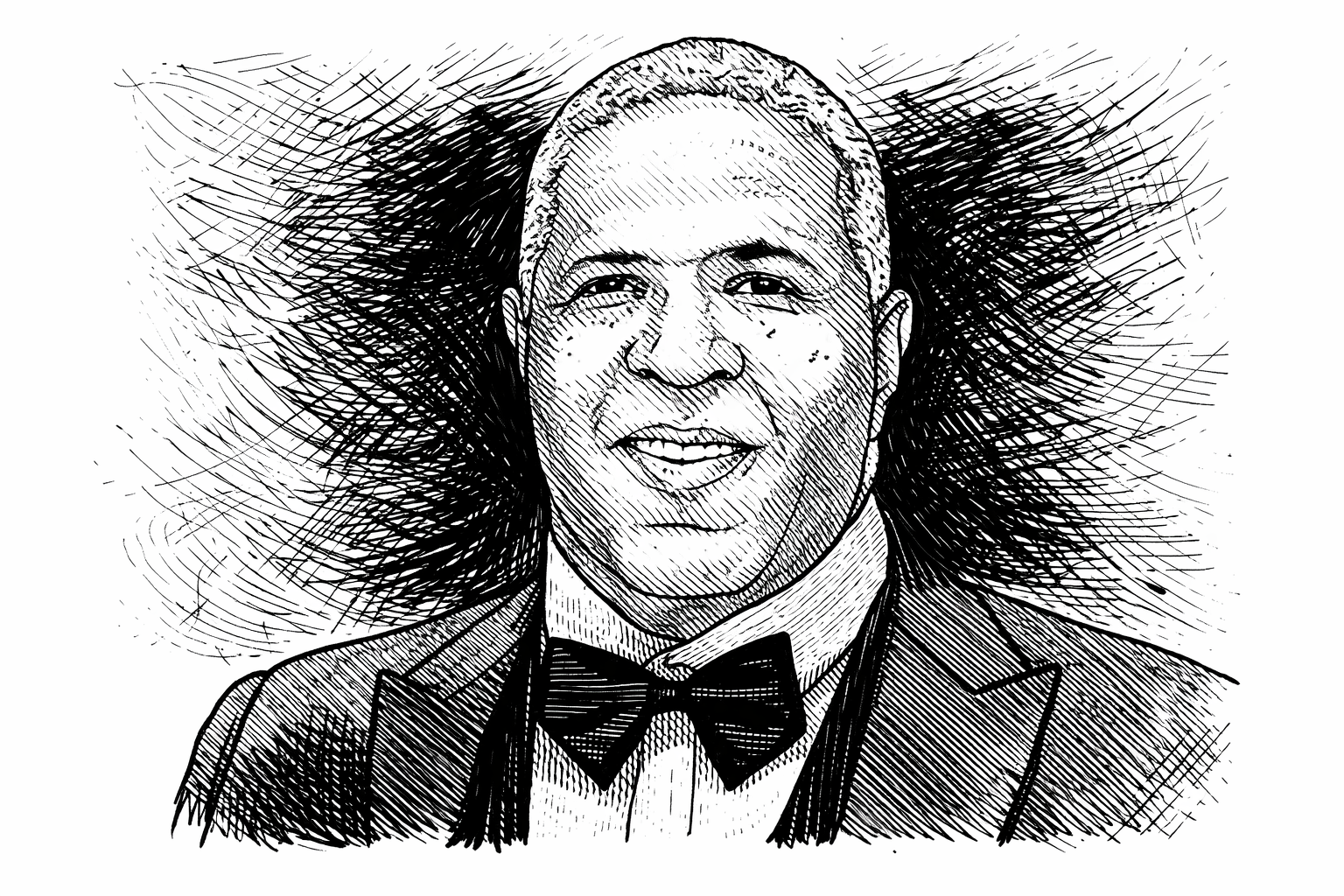
When Robert F. Smith launches an internship platform for HBCU students, the headline reads like opportunity. The third wealthiest Black man in America creating a pathway for the next generation is easy to celebrate. It signals progress in a way that feels tangible, especially in spaces where access has historically been uneven. But what makes this moment more revealing is not the platform itself — it is what the platform’s existence says about how access actually works.
It does not expand on its own. It has to be translated, structured, and intentionally distributed.
On average, only 6.6% of Black students have participated in paid internships, compared to 74% of white students. That gap is not a reflection of ambition or preparation. It is a reflection of proximity — proximity to networks, to firms, to the kinds of internships that convert into careers. For students at HBCUs, the barrier has never been capability. It has been structural distance from the environments where talent gets recognized. Smith described the logic plainly: “We built internxl.org to create pipelines and opportunities for minority students to work with many of the top tech companies in the world, providing experiences that many students never thought were accessible.”
What InternXL represents is not talent creation. It is access to the environments where talent can be seen, developed, and converted into economic mobility. Ownership is often framed as the goal, but it is not where the story begins. It is the result of sustained access to capital, relationships, and institutional knowledge. Without intentional pathways into those spaces, that access remains unevenly distributed regardless of how much talent exists on the outside looking in.
There is also a tension embedded in this kind of progress that is worth naming directly. When access depends on individual actors — even well-intentioned, well-resourced ones — it remains fragile. It expands, but it does not institutionalize. One platform can create thousands of opportunities. The system produces millions of students navigating the same barriers. Smith himself understood this when he pledged $34 million to pay off the student debt of Morehouse’s 2019 graduating class — a gesture that was extraordinary precisely because it should not have needed to be extraordinary. The fact that it was newsworthy is the story.
That is the Access Shift in real time. Progress is happening, but it is happening through targeted interventions rather than broad structural redesign. As SSC has tracked in The AI Resume Screen and across the Access Shift series, the gatekeeping mechanisms that filter who enters high-value industries have not changed — only the workarounds have gotten more sophisticated. The door is opening wider for some while remaining structurally distant for many others.
Why This Matters
We tend to talk about closing gaps as if they narrow naturally over time. In reality, they close when someone builds a bridge across them. Robert F. Smith is building one. The larger question is whether the system will build more of them — or continue to rely on a handful of individuals to do work it was never designed to do.
The gradual redefinition of who systems are designed to serve.
Across sectors—from public infrastructure to healthcare to everyday spaces—access is no longer assumed. As costs rise and systems face increasing pressure, services once built for broad reach are becoming more selective, more conditional, and less universal. The Access Shift explores how these changes are unfolding in real time—and what they reveal about who is included, who is left out, and how the structure of everyday life is quietly being reshaped.