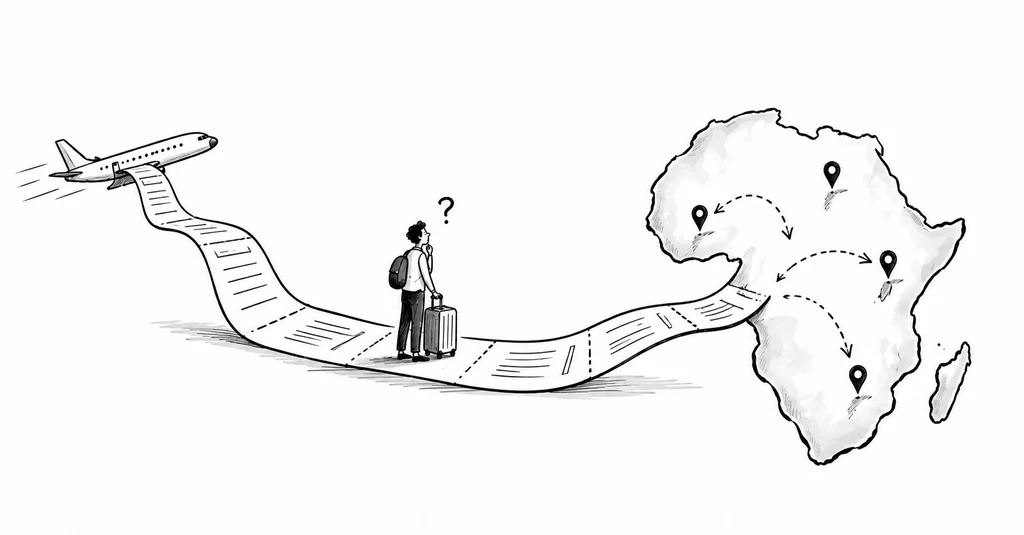
Human Rights Watch says more than 500 people have been deported to African countries where they are not citizens, sometimes despite court protections against returning them to their homelands. The administration says the arrangements are necessary for immigration enforcement.
The United States deported 536 people to African countries where they were not citizens between January 2025 and August 2026, according to immigration enforcement data analyzed by Human Rights Watch. In a 125-page report released October 8, the organization alleges that some deportees were detained without adequate legal protections, subjected to mistreatment or pressured to return to countries where they faced persecution or torture. The transfers are part of the Trump administration’s expanded use of third-country deportation agreements, which allow the government to remove people to countries other than their own when direct repatriation is blocked or impractical. The administration defends the practice as an immigration enforcement and public safety measure. The dispute concerns what happens after someone is transferred—and whether the United States retains responsibility for foreseeable harm.
When Deportation Does Not End at the Destination
Human Rights Watch interviewed 24 people transferred to six African countries and reviewed immigration records, legal filings and accounts of detention. Its findings describe a system in which people can be removed from the United States without meaningful opportunities to challenge their destinations. Some had already received protection from U.S. immigration judges preventing their return to their countries of origin because of the risk of persecution. In Cameroon, Equatorial Guinea and Ghana, the organization documented cases in which people were subsequently sent toward those same countries or faced pressure to return. Those allegations raise questions under nonrefoulement, the international legal principle prohibiting transfers to places where people face certain serious threats, including torture. Human Rights Watch argues that transferring someone through an intermediary country does not eliminate those protections.
SSC Premium · Free with signup
Keep reading. It’s free.
This is a Premium story from Social Storytellers Collective. Enter your email to unlock the rest right now, and get the End of Day Closing Note six nights a week. Already a subscriber? Use the same email and you’ll go straight back to the story.
Free. Unsubscribe anytime. Premium readers also hear first when The Deep View membership opens.