
Top Stories in Today’s News Cycle for April 1, 2026
Drops daily at 10AM
Each headline links to the full story.
What’s moving—and why it matters.
We’re kicking off a brand new month—and we’re excited to be in your inbox at the top of your morning, every day.
The pace of the news cycle isn’t slowing down. It’s accelerating, fragmenting, and getting harder to track in a way that actually makes sense. Headlines move fast, but understanding what they mean—and how they connect—is where the real value is.
That’s what we’re building with The SSC Daily Brief.
Each morning, we’re bringing you a curated read on the stories shaping the moment across culture, systems, and the economy—filtered through a lens that focuses not just on what’s happening, but why it matters and who it impacts.
Here’s what’s moving today.
1. Reddit Isn’t Just Growing — It’s Becoming Infrastructure
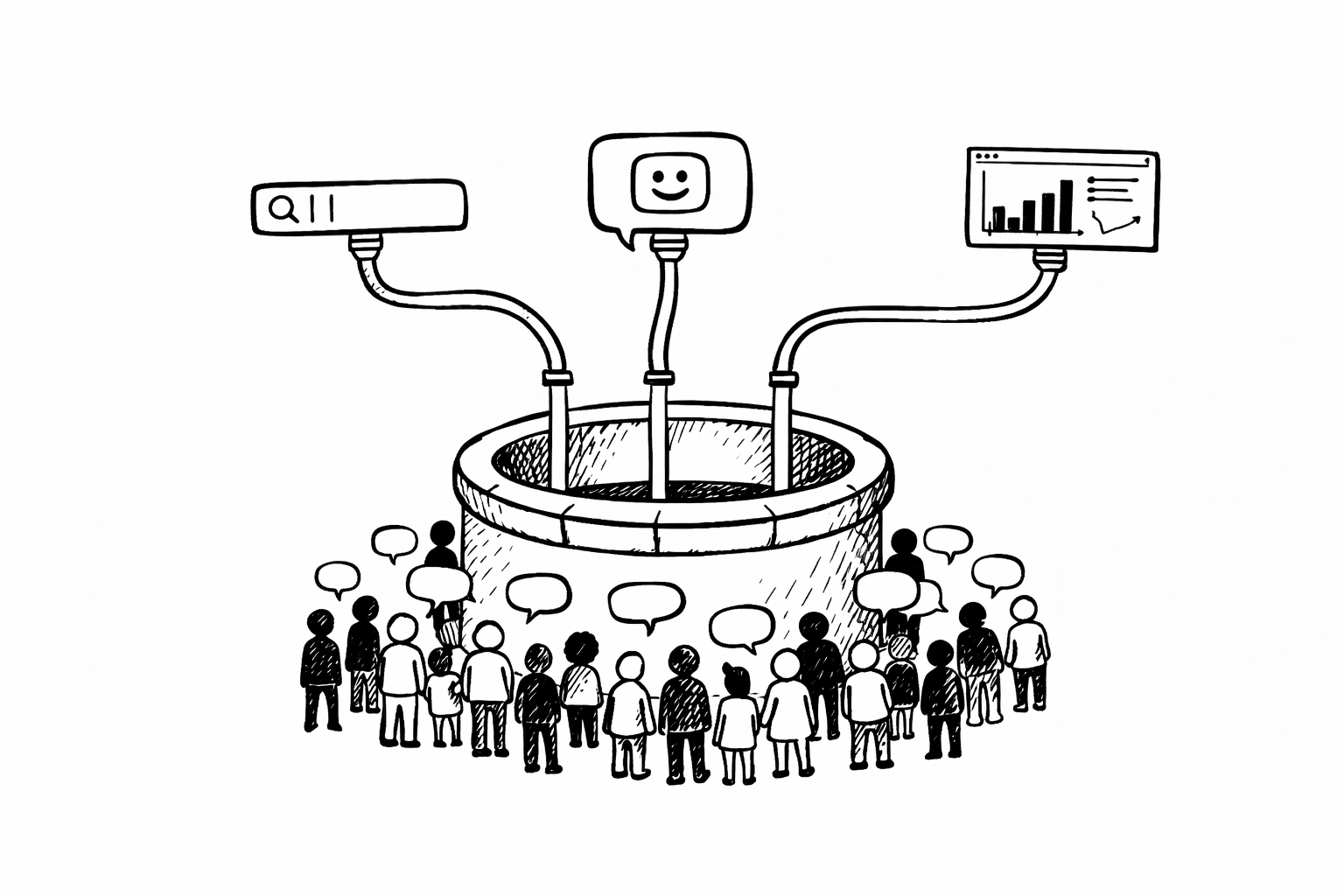
The platform’s surge in traffic, revenue, and AI integration is positioning it as a foundational layer in how information is sourced and surfaced online.
As search, community, and AI converge, influence is shifting toward spaces where knowledge is collectively built—and increasingly monetized.
2. When the Store Disappears — Access Doesn’t Leave All at Once
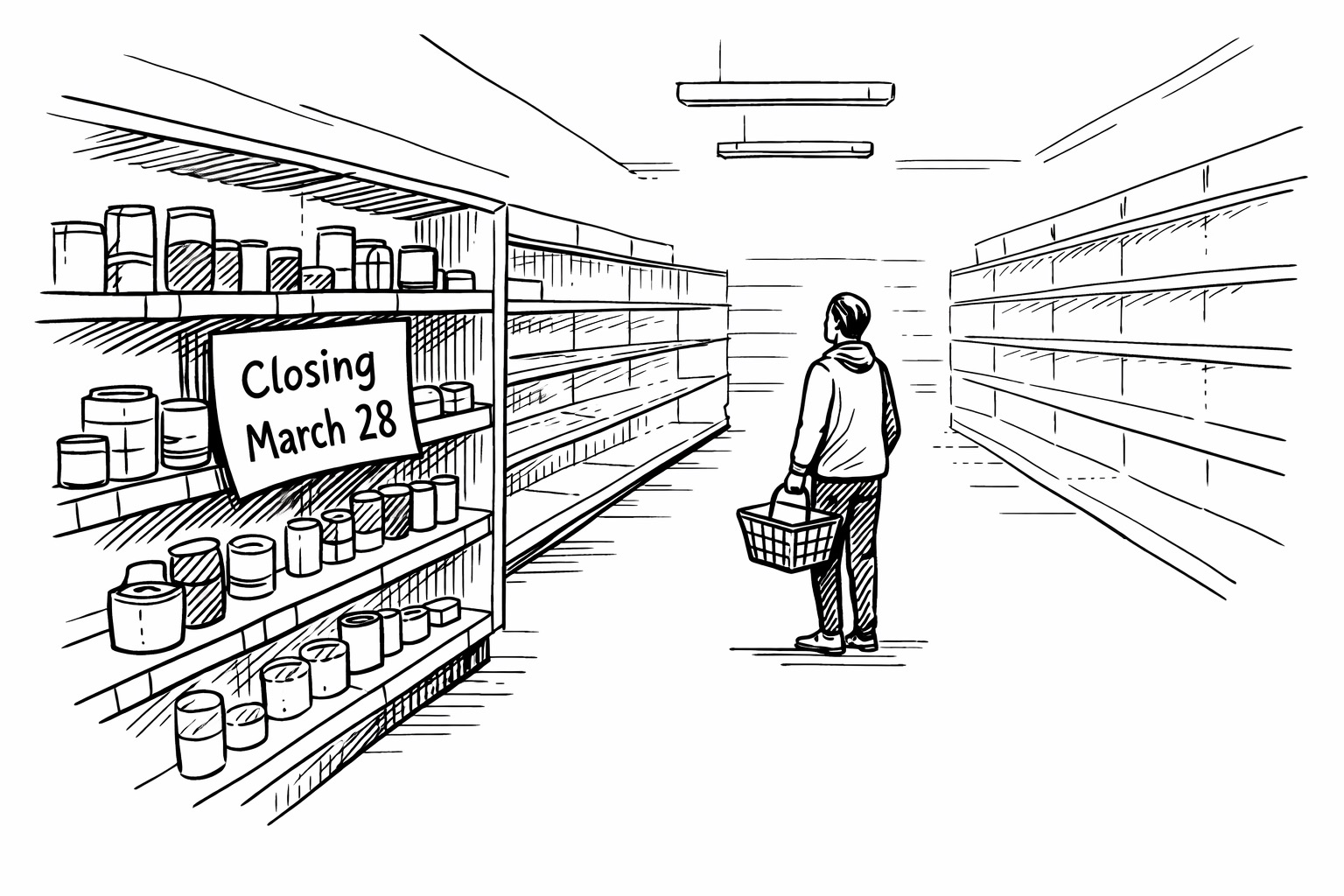
A neighborhood grocery store closing reveals how essential infrastructure fades before it fully disappears.
Access isn’t lost in a single moment—it erodes gradually, until convenience becomes distance and routine becomes disruption.
3. Who Gets a Comeback — And Who Decides When It’s Allowed
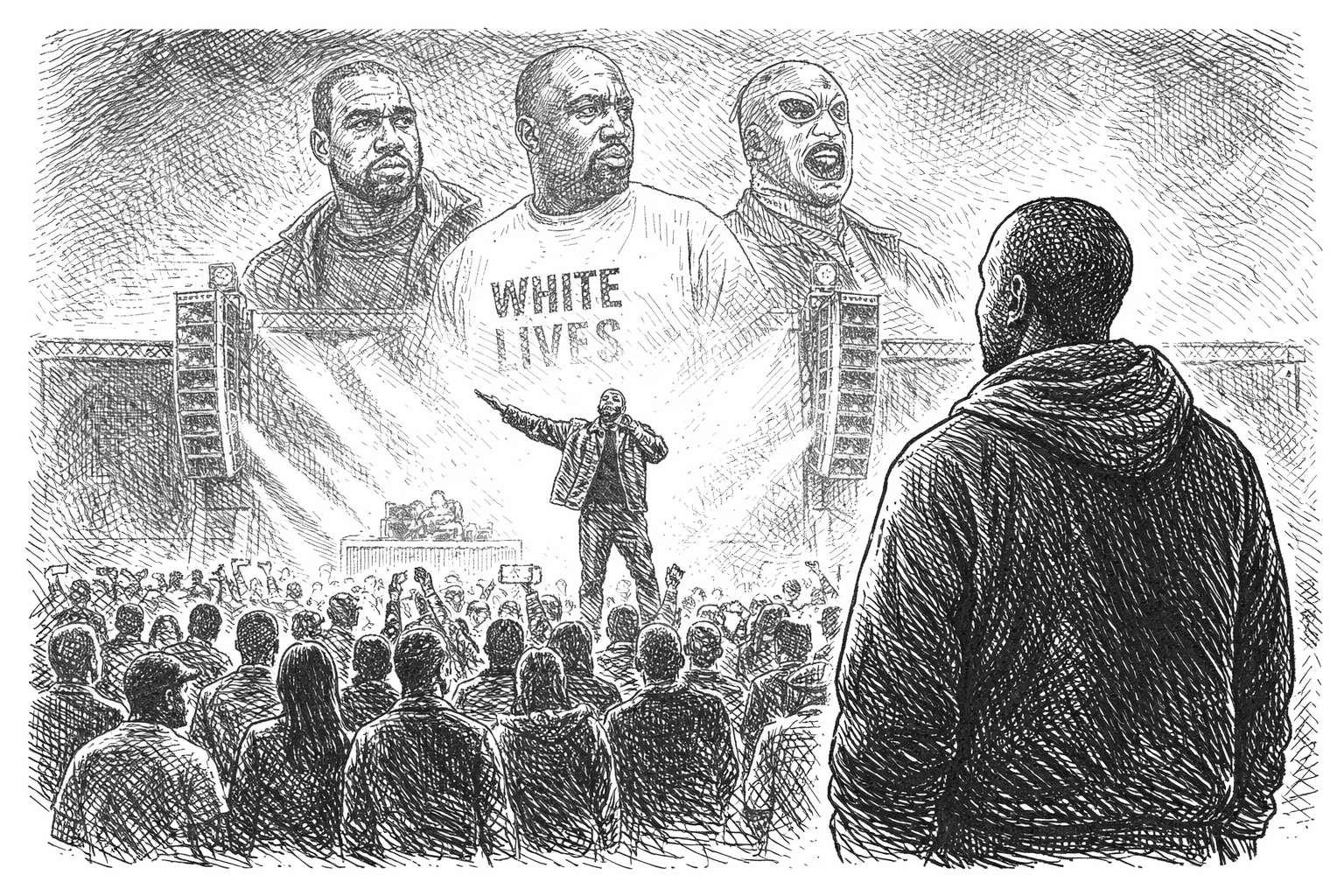
Kanye West’s return to the stage highlights how quickly cultural distance can collapse when demand remains.
Public accountability shapes the conversation—but the market ultimately decides who is allowed back in.
4. When Black Struggle Becomes Global Content
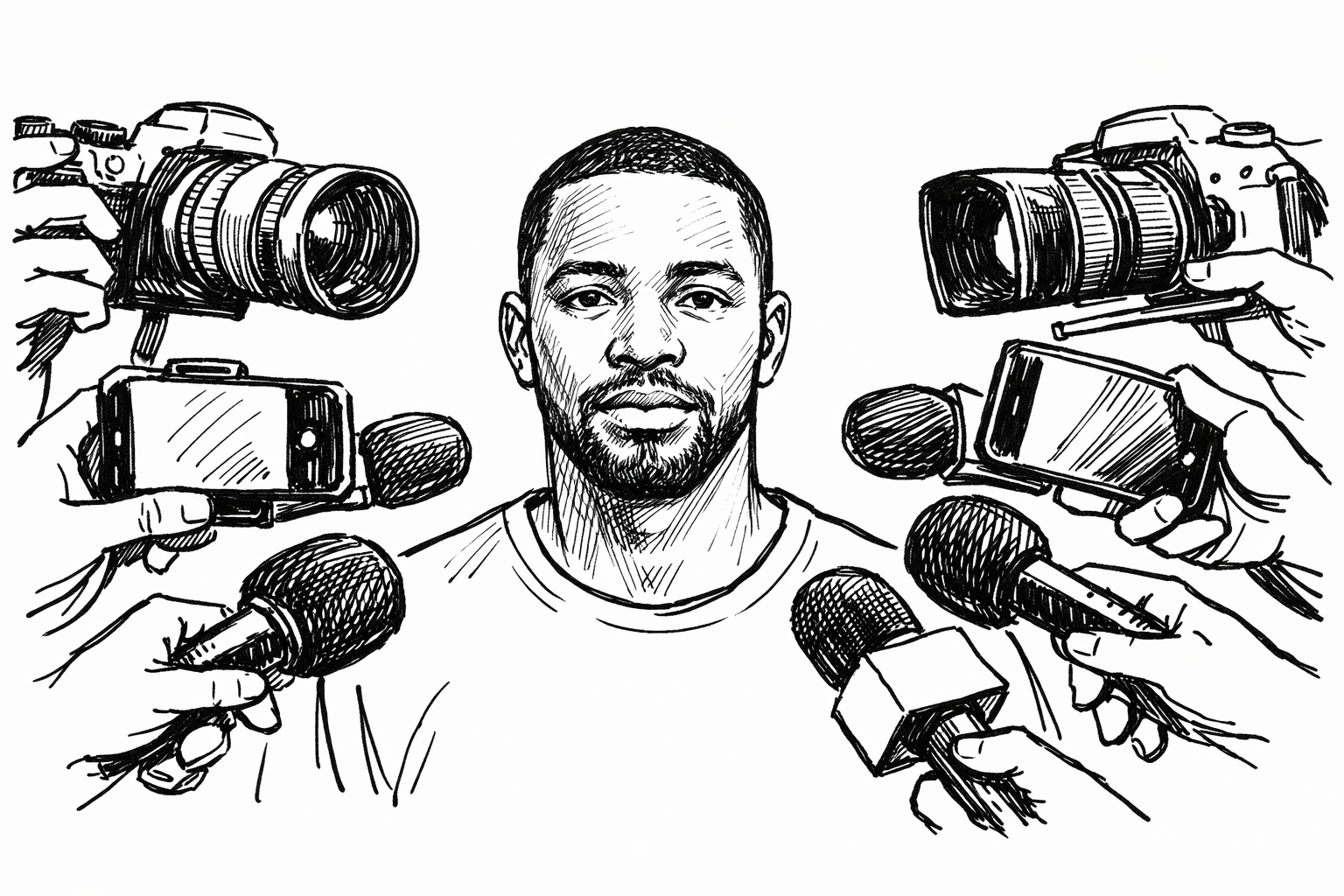
Images of inequality are traveling faster than ever—reshaped, reframed, and repurposed far beyond the communities they come from.
The story may be rooted in truth, but once it circulates globally, control shifts to whoever can frame it—and profit from what it’s made to mean.
5. The Job Market Isn’t Crashing — It’s Closing
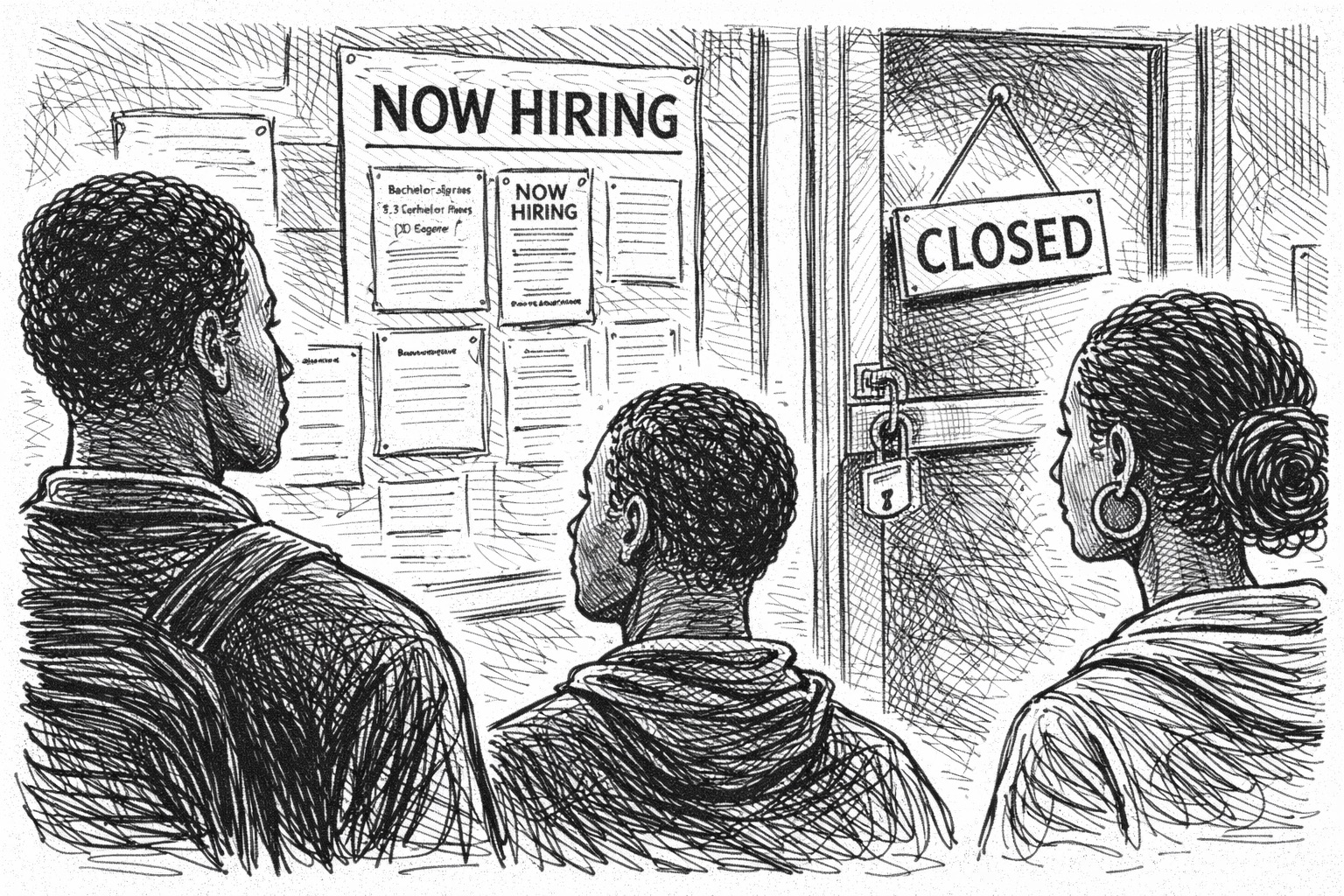
Hiring slowdowns and shrinking entry points are quietly reshaping how people experience the labor market.
The next phase of economic pressure won’t look like layoffs—it will look like opportunities that were never reopened.
6. The Companies Powering the Economy Are Still Paying Poverty Wages
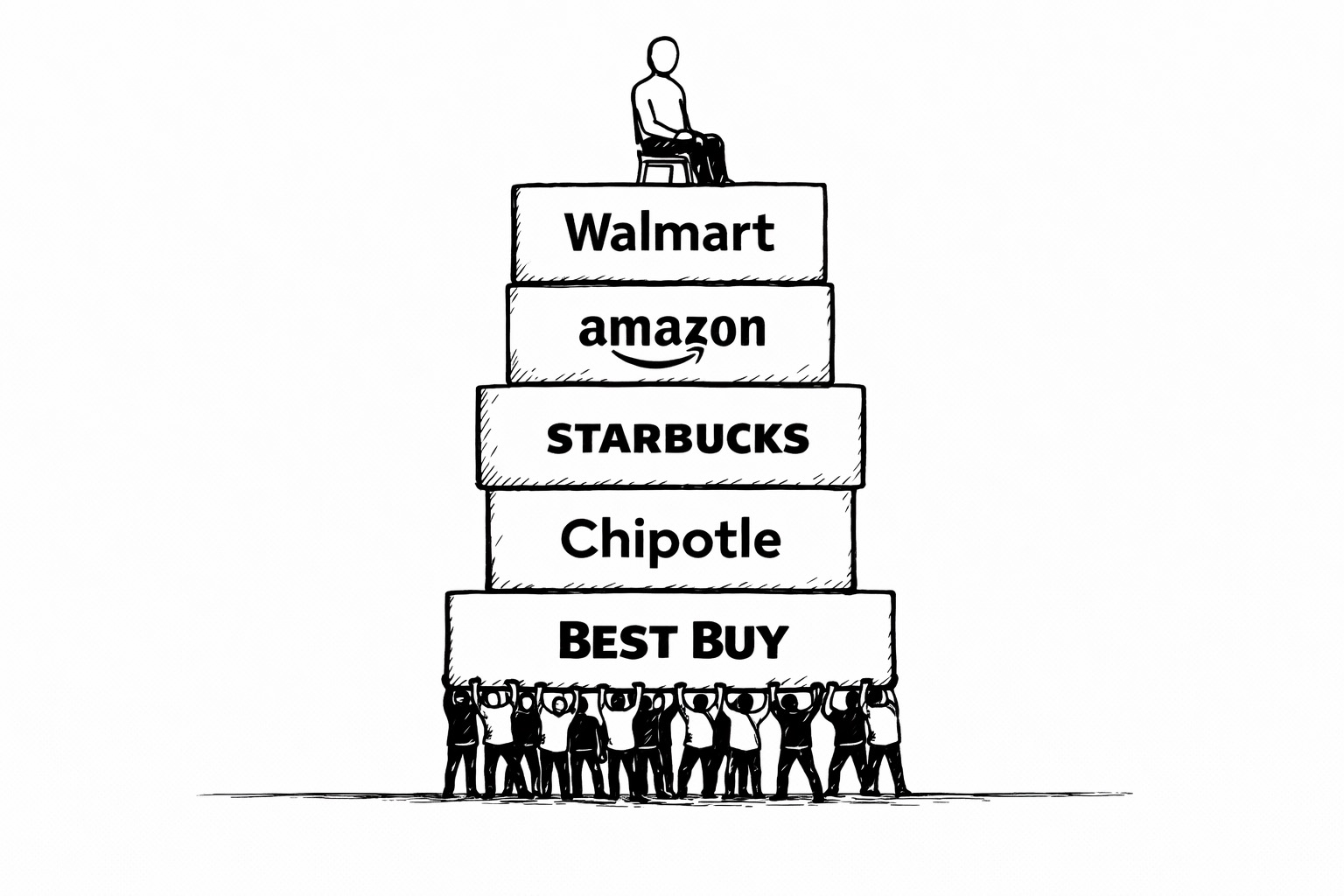
New data shows major U.S. employers continue to pay millions of workers wages that fall short of basic living costs, even as profits remain strong.
The gap isn’t narrowing—it’s structural, reinforcing an economy where growth at the top doesn’t translate to stability for the people sustaining it.
7. Ari Lennox, Jill Scott, and the New Rules of the Album Rollout
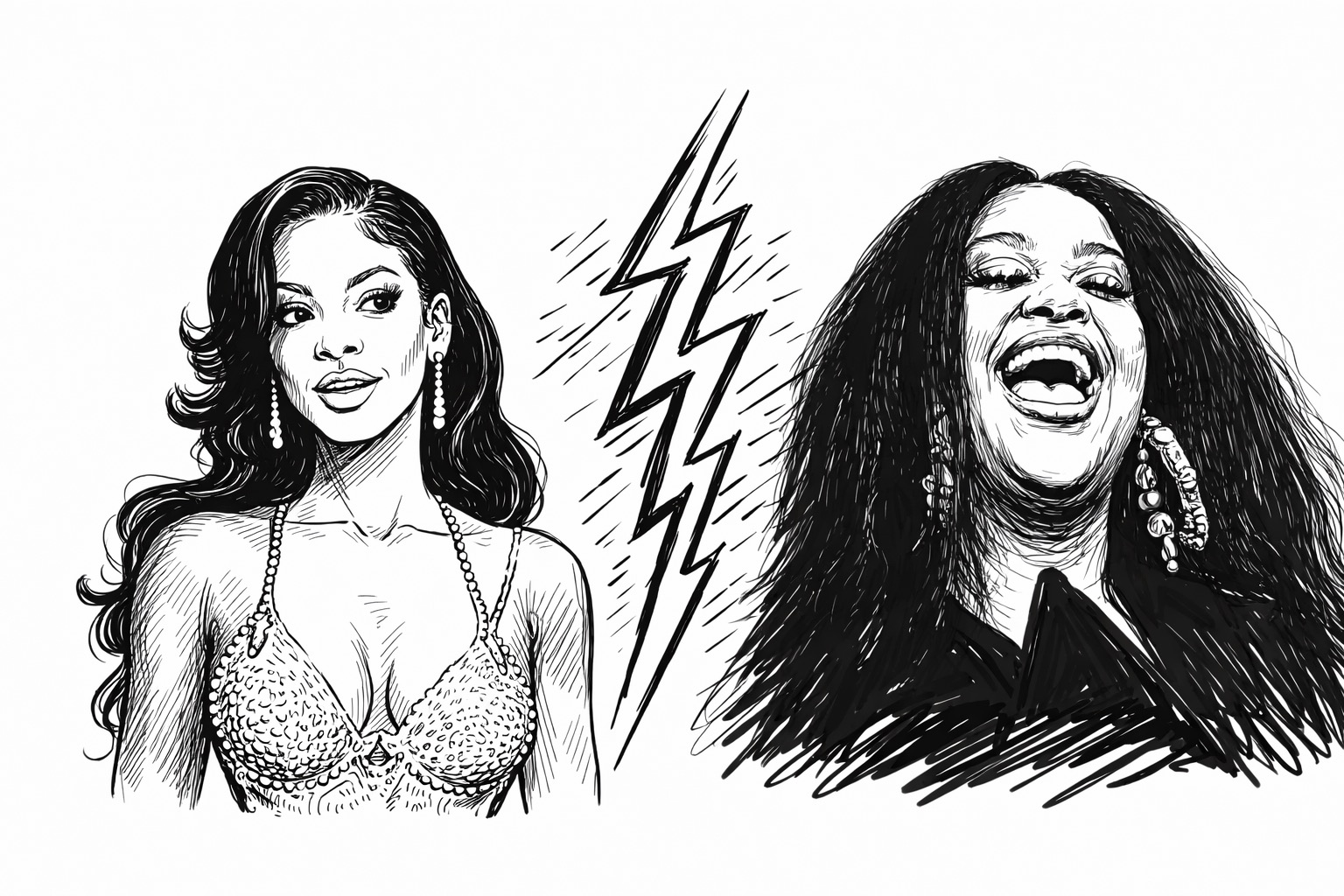
Strong bodies of work no longer guarantee mainstream visibility—not when radio has weakened, streaming has changed listening habits, and promo ecosystems no longer work the way they used to.
The question is no longer whether great R&B still exists. It’s whether the industry still knows how to build attention around it.
8. 400 Hospitals at Risk of Closing — Black Communities Will Feel It First
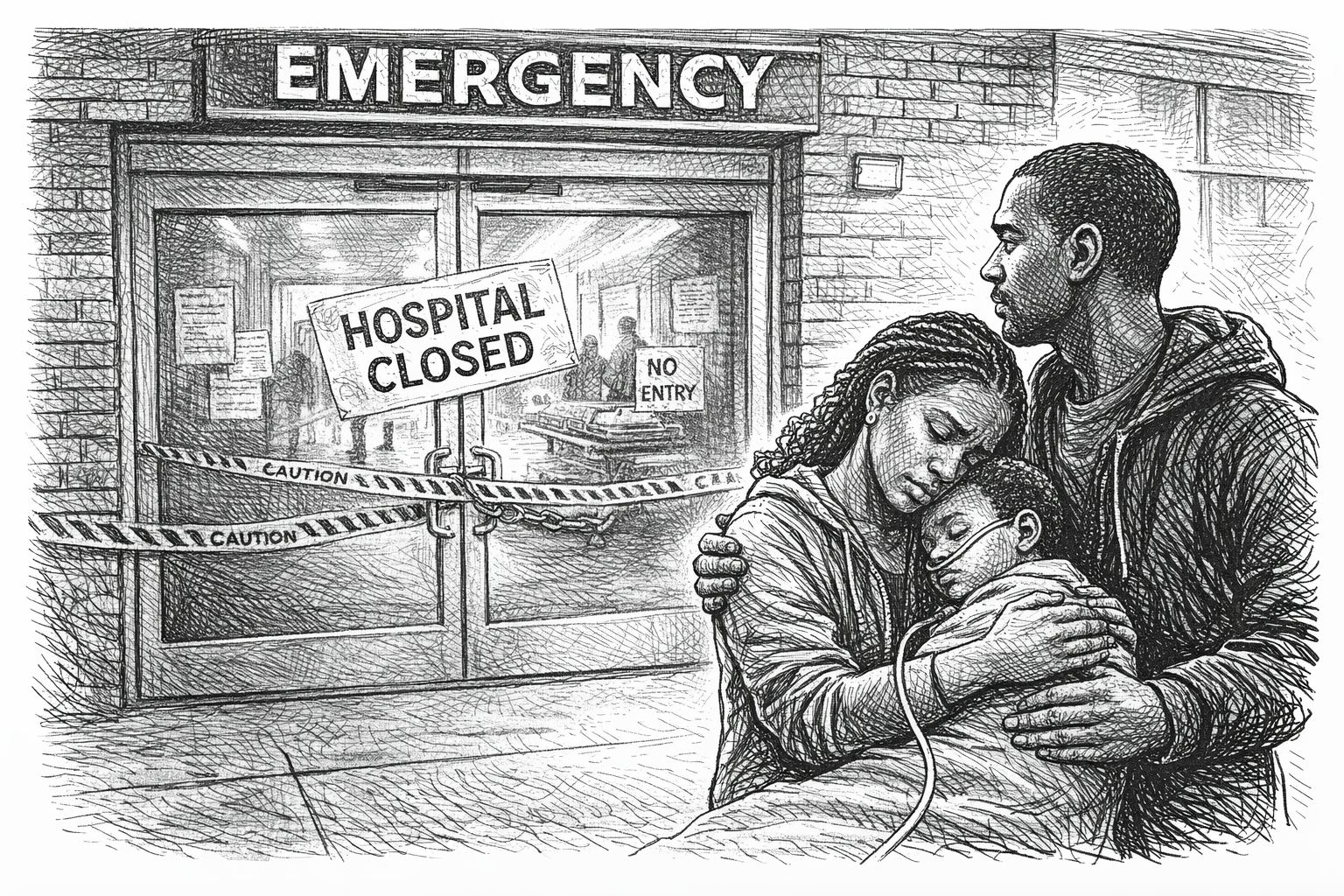
A new analysis finds more than 400 U.S. hospitals are at risk of closing or cutting services as Medicaid funding is reduced, with Texas and other states facing the deepest impact.
Healthcare access is economic access—and when hospitals disappear in Black and Brown communities, the consequences extend far beyond care, reshaping jobs, stability, and the systems people rely on.
9. Nipsey Hussle’s Music Is Still There — It Just Doesn’t Find You the Same Way
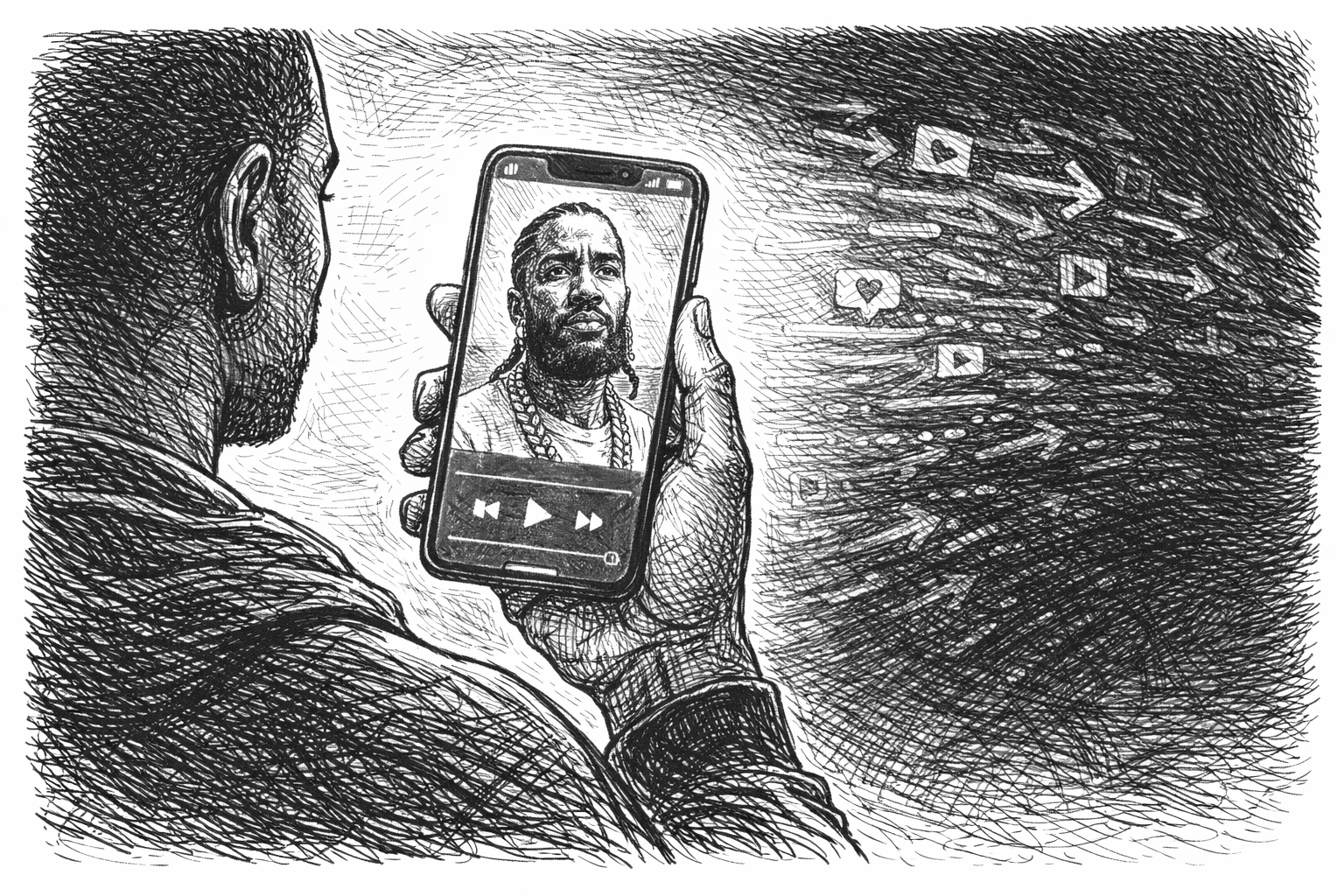
Seven years after his passing, Nipsey Hussle’s catalog remains available—but far less visible in a streaming ecosystem driven by constant engagement.
Legacy isn’t just preserved—it’s shaped by what gets surfaced, and over time, even cultural impact can fade from view when the system moves on.
10. Birthright Citizenship Faces a Supreme Court Test
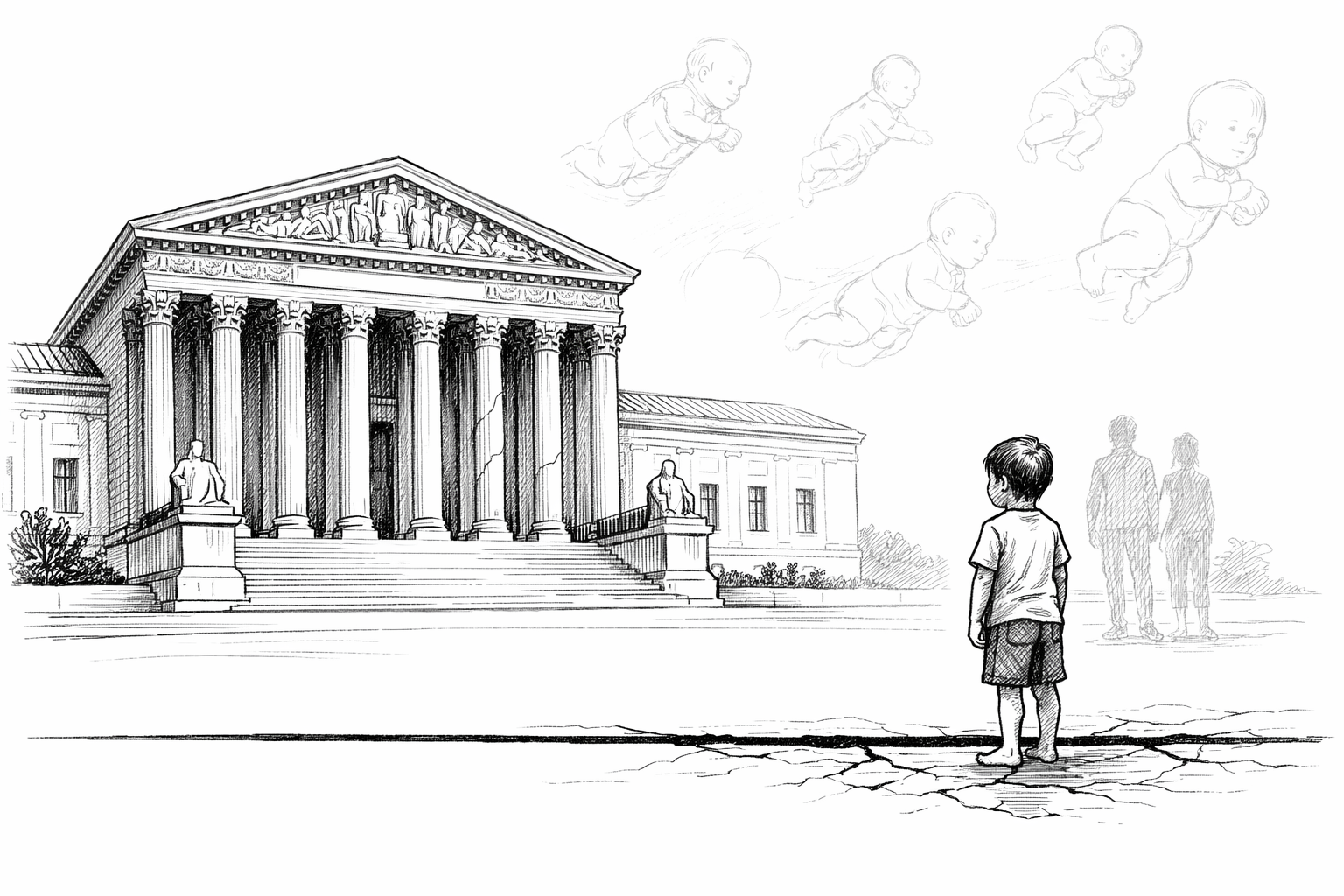
A new Supreme Court case is challenging whether children born in the U.S. are automatically granted citizenship, putting a long-standing interpretation of the 14th Amendment under review.
The case isn’t just about policy—it’s about definition. What has long been treated as automatic is now being debated, raising broader questions about who is recognized as American and who gets to decide.