
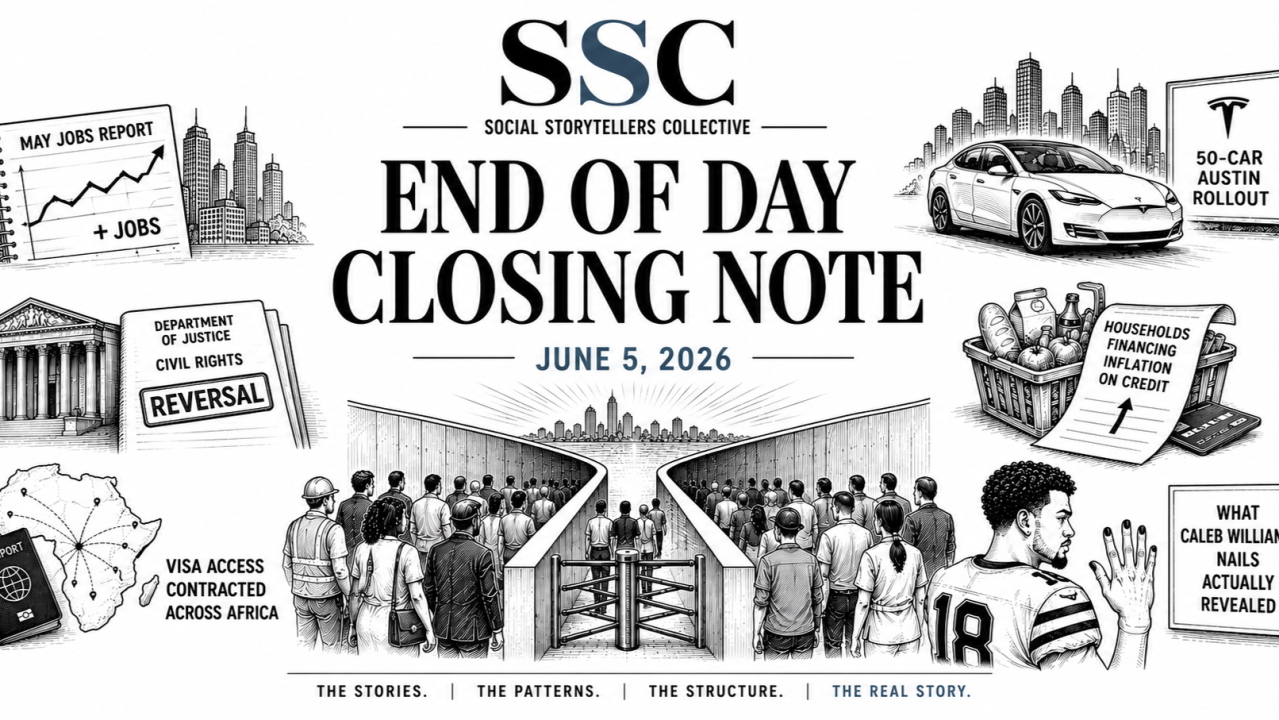
SSC End of Day Closing Note – 6.5.26
Today: the May jobs report, the DOJ’s civil rights reversal, visa access contracted across Africa, Tesla’s fifty-car Austin rollout, and what Caleb Williams’ nails actually revealed.
End of Day Closing Note | June 5, 2026
The number that matters most from this morning’s Bureau of Labor Statistics report may not be 172,000. It’s 179,000 — what April’s payroll gain became the moment May’s report landed. The Bureau revised April upward from 115,000, quietly, in the same release that declared May a beat. That is the pattern. Numbers that look modest on release, get upgraded later, while the structural conditions underneath don’t move.
Social Storytellers Collective spent the week building the case for why the headline was never the right place to look. The firm-size concentration. The job-changer premium narrowing. The difference between jobs that exist and jobs that workers can build lives around. That work is here: The May Jobs Number Looks Strong. Read the Details Before You Celebrate. And here: Stable Jobs. Unstable Workers.

SSC is tracking which workers are being reached by that growth — and which ones the labor market has yet to find. That gap between the official signal and the structural reality runs through everything SSC published today.
Featured Story | The Justice Department’s Civil Rights Division Is Now a Tool for Investigating Civil Rights Programs.

The U.S. Department of Justice opened a civil rights investigation into Arizona State University ‘s diversity and equity practices this week — not based on a formal complaint or a documented violation, but on secretly recorded videos produced by Accuracy in Media, a conservative advocacy organization with a documented history of undercover sting operations against institutions it considers ideologically opposed. The Civil Rights Division — the same office created to intervene when institutions failed to protect historically excluded groups — is now being deployed against the programs designed to include them.
The mechanism has not changed. The target has.
ASU has operated in compliance with Arizona’s own anti-discrimination statute since 2010. The university told investigators it follows all applicable federal law. The investigation was opened anyway. ASU President Michael Crow described AIM’s recording tactic as “a terrible thing to do to someone.” The DOJ cited those recordings as sufficient basis to launch a federal probe.
The practical consequence extends far beyond ASU. Every university administrator watching this investigation receives the same message: tutoring pipelines, targeted scholarships, and recruitment infrastructure that serve Black and Brown students are now federal investigation territory. Those programs don’t need to be proven illegal to be dismantled. They need only attract enough attention from the right organization with a camera and a willing administration behind it. The investigation doesn’t need to find anything to do damage. The chilling effect is the point.
Read the full piece: The Justice Department’s Civil Rights Division Is Now a Tool for Investigating Civil Rights Programs.
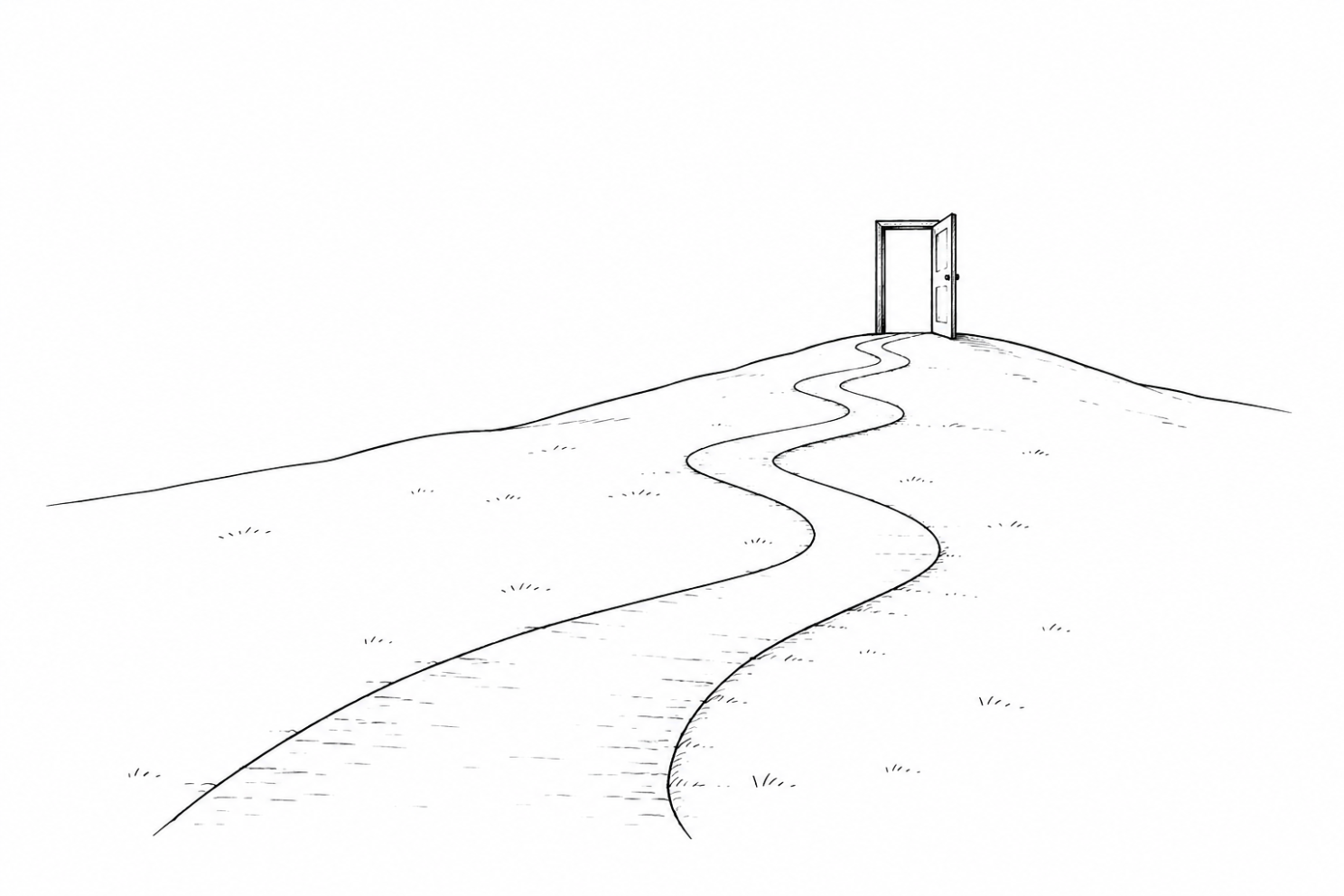
The federal apparatus is not only being redirected internally. It is being contracted physically. SSC reported today that nearly 50 U.S. embassies and consulates across Africa that currently process visa applications will be reduced to 20 regional hubs, per a directive approved by Secretary of State Marco Rubio and obtained by the Associated Press. Visa Access Is Becoming a Geography Problem. For applicants in non-hub countries, the door has not been closed. It has been moved — requiring international travel to another country before the application process even begins. Africa is the world’s youngest and fastest-growing region. A visa system restructured around consolidation is also a visa system restructured around exclusion.
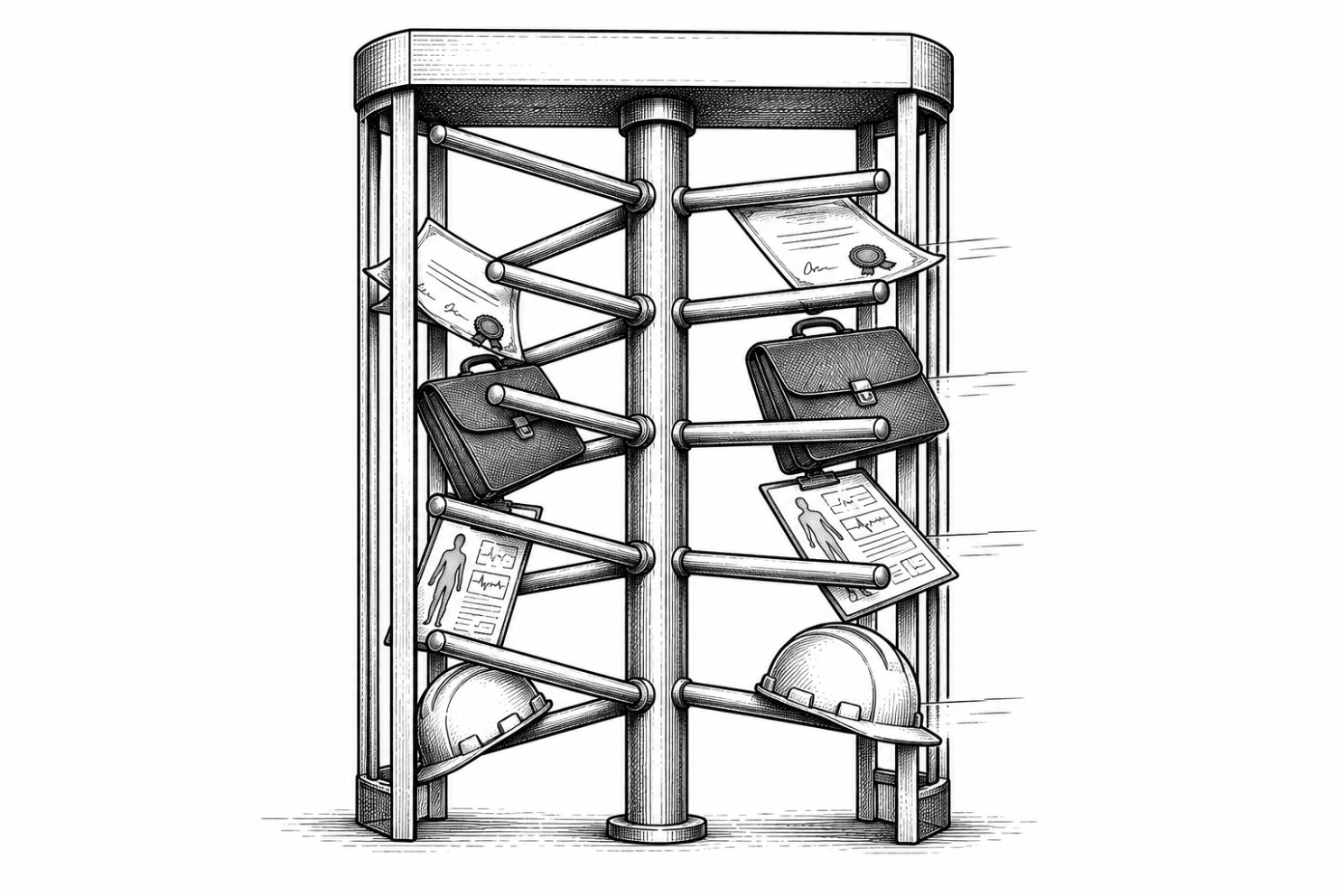
That exclusion has economic consequences already visible in this week’s sports coverage. The World Cup Is Rewriting City Rules — but the fans those rules were designed to welcome are navigating an enforcement climate that signals unwelcome regardless of legal status. Hotel bookings across host cities including Miami, Atlanta, and Houston are below expectations. The cities extended their operating hours. The workers staffed the shifts. The visitors, disproportionately from Latin America, Africa, and South Asia, are not arriving at the projected volume. The policy costs are fixed. The revenue is not.

The immigration architecture is not only a U.S. story. The Welcome Mat Has Always Had Fine Print. Now the Fine Print Is the Policy. Canada cut international student permits by 49 percent while its Prime Minister acknowledged the cuts are weakening the economy. In the United Kingdom, the immigration anxiety being politically mobilized is not grassroots — as Bryson Davis documented in The Playbook Crossed the Atlantic, it is a funded, coordinated, transatlantic operation. Three countries. Three mechanisms. One outcome: the populations absorbing the cost are overwhelmingly from the Global South.
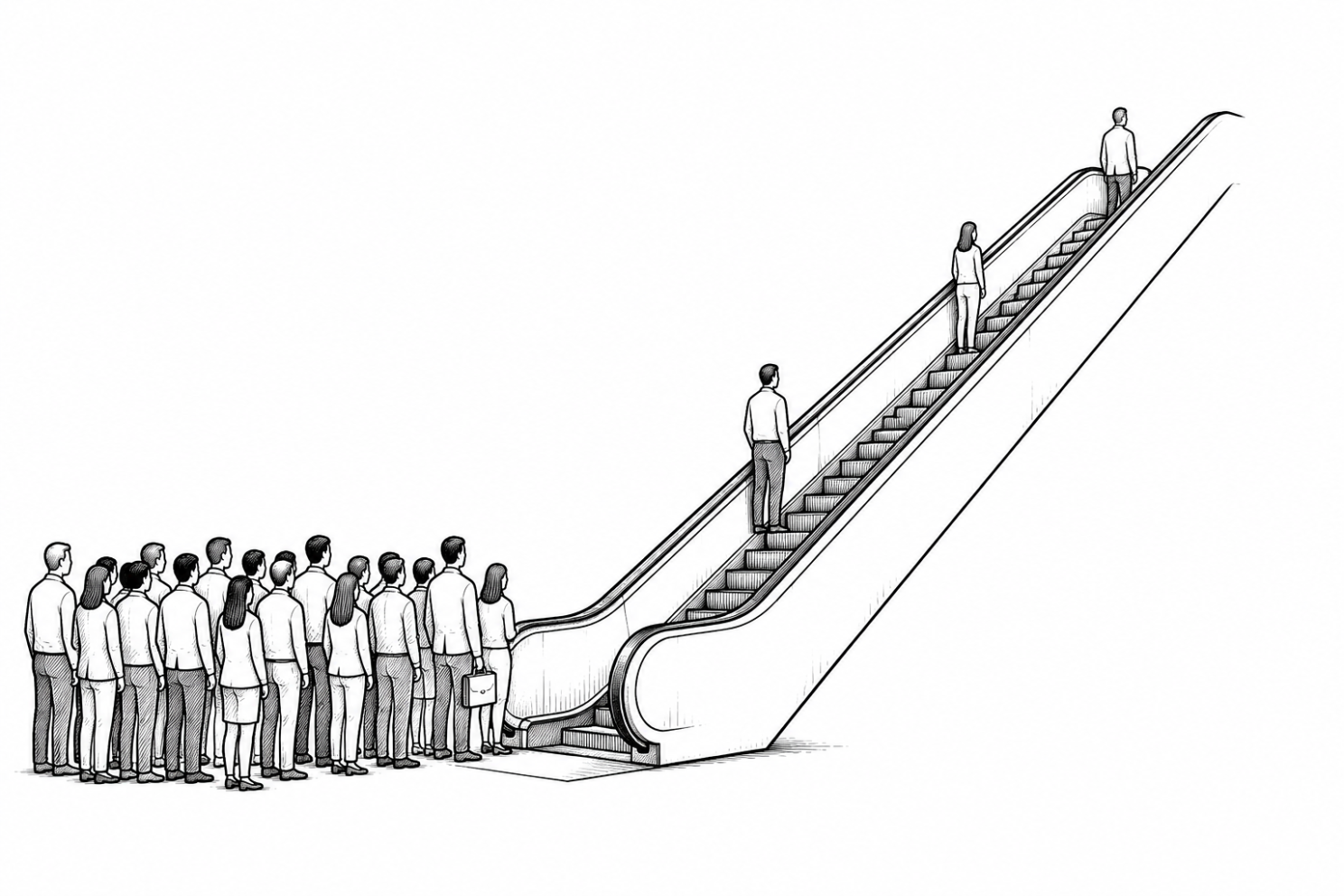
This morning, as the jobs report landed, the Senate passed a $70 billion immigration enforcement funding package on a 52-47 vote after a 19-hour overnight session. The bill funds ICE and Border Patrol through the end of the current administration with no reforms attached. Amendments that would have required body cameras and established enforcement restrictions — proposed following the deaths of two American citizens in Minnesota during enforcement operations earlier this year — did not pass. The bill now heads to the House.
The structural consequence is straightforward. The visa consolidation across Africa SSC reported today moves the door. The $70 billion passed this morning funds the infrastructure behind it. Three years of enforcement funding, no oversight additions, no accountability standards added. The architecture is now capitalized.
On the technology front, Will Davison Jr. examined what a 50-vehicle fleet generating national milestone coverage actually reveals — not a deployment, but a communications strategy. Tesla’s Austin Robotaxi Launch Is a Headline. The Fleet Size Is the Story. Tesla needs its valuation to hold against a narrative that its EV business is slowing. Austin is not an accidental test market. The workers most exposed to autonomous vehicle job displacement are not watching a revolution arrive. They are watching a 50-car fleet produce revolution-sized headlines. That piece connects directly to India’s AI Boom Has a Hiring Problem — Reuters Breakingviews columnist Shritama Bose reported that workforce growth at Reliance Industries slowed from 16 percent to 4 percent year over year. Business expansion continues. Hiring growth is not keeping pace. The AI economy is proving effective at creating value. The AI economy is proving effective at creating value. What remains unresolved is whether it will be equally effective at distributing it.
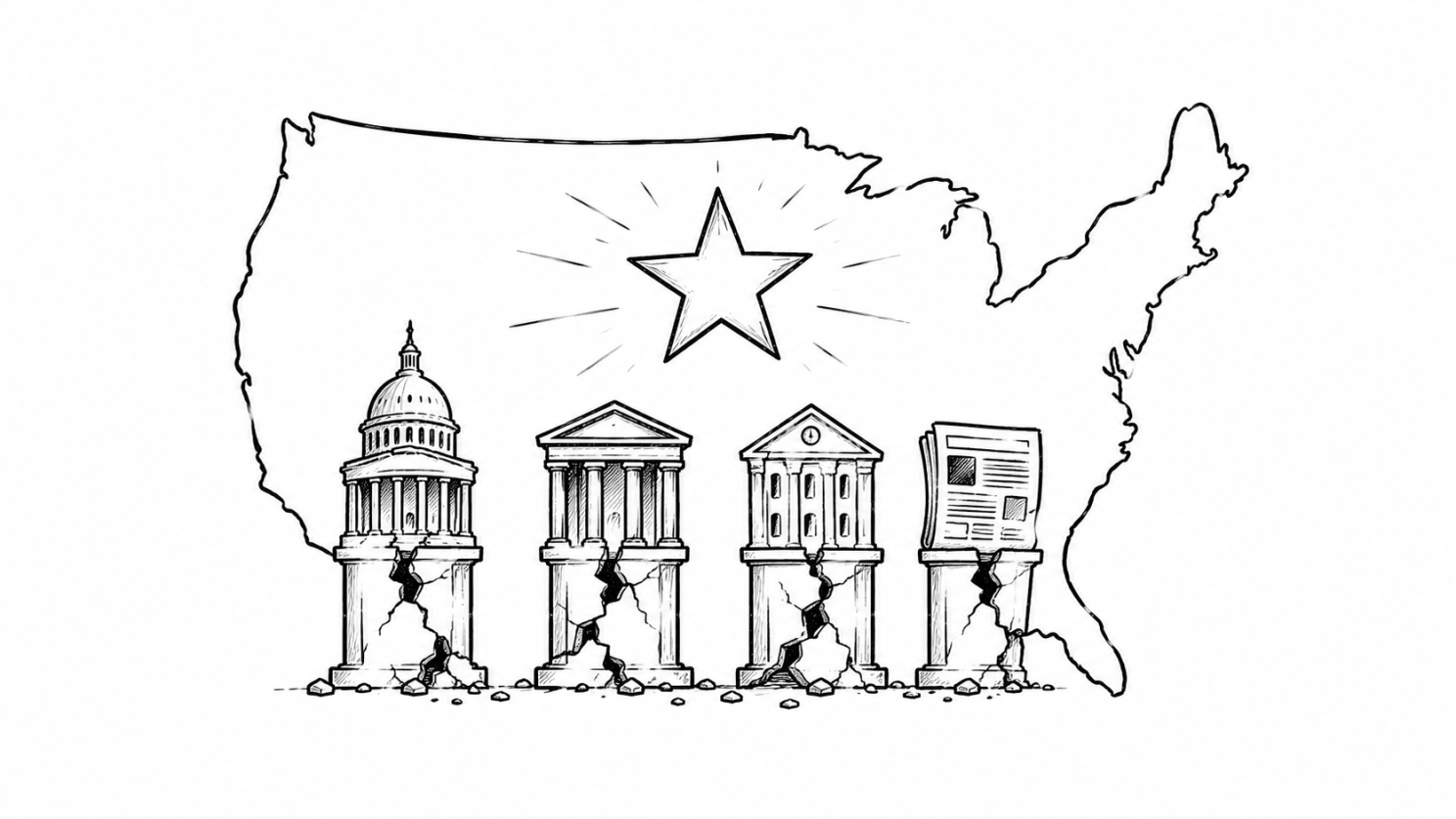
The public appears to sense the distance. A Quinnipiac University Poll of 1,316 U.S. adults released this week found that 61 percent of Americans believe the country is not living up to its founding ideals, while half say the nation’s best days are behind it. Americans Still Believe in the Promise. They Trust the Institutions Less. The significance is not that Americans have lost faith in the country. It is that many are separating the country from the institutions that govern it. Institutions that once relied on history and reputation to earn trust are increasingly being judged by measurable outcomes.
The same pattern — policy bending toward economic activity while the people doing the work carry the weight invisibly — runs through a different story today. Brandon Crenshaw reports on how cities across the United States are extending bar and restaurant hours ahead of the 2026 FIFA World Cup, framed as practical preparation for one of the largest sporting events in the world. The economic logic is straightforward. The labor logic is less discussed. Longer operating hours mean more transactions. They also mean longer shifts, altered schedules, and increased operational demands for the workers staffing those hours. In The World Cup Is Rewriting City Rules, Crenshaw traces what the temporary policy adjustment reveals about something more permanent: cities increasingly reorganizing themselves around experiences, and the invisible labor infrastructure that makes those experiences possible.

Tourism, entertainment, nightlife, festivals, and major sporting events have become central economic assets, prompting policymakers to relax rules that might otherwise be viewed as public safety or quality-of-life concerns. The World Cup makes visible a larger reality: cities are increasingly organizing themselves around experiences because experiences remain among the few economic advantages that cannot be outsourced or automated. The opportunity, however, depends on the labor of hospitality workers, transit operators, security personnel, and other frontline staff whose work often remains invisible to visitors, illustrating how the benefits and burdens of the experience economy rarely fall evenly.

Leena Alridge brought the cultural argument into sharp focus. The Nails Are Not the Story. The Reaction Is. When EA Sports unveiled Caleb Williams as the Madden NFL 27 cover athlete, part of the conversation shifted immediately to his painted nails. The debate that followed was never about nail polish. It was about who gets to define masculinity in public and what happens when established expectations meet someone unwilling to perform them. Sports culture has always celebrated self-expression — until it crosses a boundary someone else decided should remain fixed.
For two and a half minutes this week, an airport concourse stopped behaving like an airport. The Song Was Never Just a Song. When Sounds of Blackness surprised a candy store worker named Kim with a live performance of “Optimistic,” the reaction that followed was not simply about a celebrity encounter. It was about encountering a piece of Black cultural memory in public and realizing everyone around you remembers it too. The most powerful cultural institutions are often the ones people carry with them.

Lizzo’s fifth studio album, released this morning, arrived through a rollout the label never built. Weeks before release day, Atlantic Records had declined to implement the promotional ideas Lizzo submitted. She hung her own posters. She made her own TikTok videos asking fans to pre-order. She studied what Cardi B did when the same label gave her a reported fifty-dollar marketing budget for Am I The Drama? — and publicly said so. By release day, the Nicki Minaj repost that looked like celebrity drama was the capstone move in a weeks-long self-directed campaign. In When the Insult Becomes the Marketing Plan, Alridge traces what the rollout actually reveals: when the institution fails you, the attention economy offers an alternative infrastructure. Cardi proved it works. Lizzo took notes.
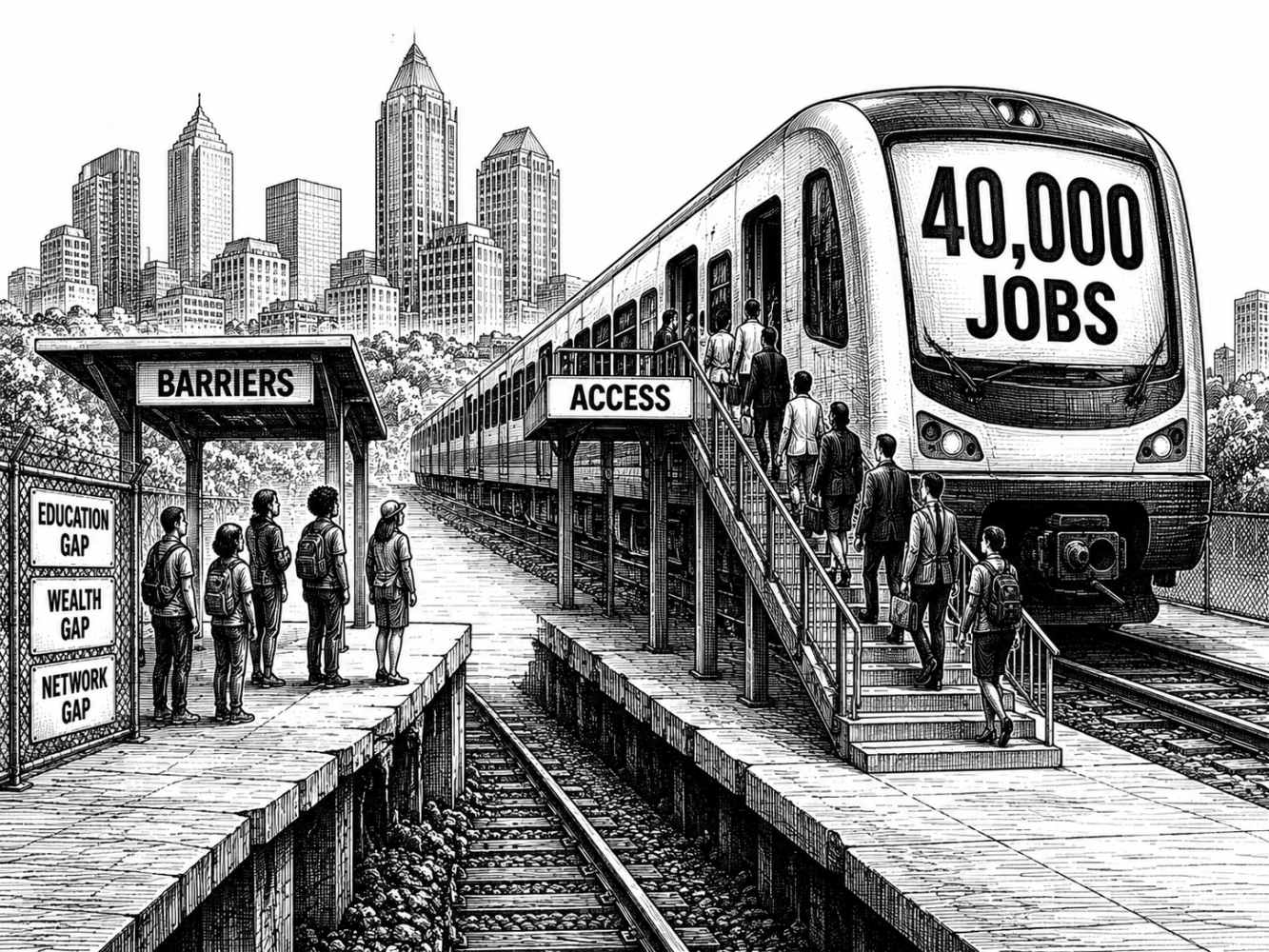
Charlotte Added 40,000 Jobs. The Distribution Question Follows. Charlotte outperformed every comparable Sun Belt metro over the past 12 months. It is also a majority-minority city. Harvard’s Opportunity Insights research has documented persistent racial mobility gaps in Charlotte specifically. Aggregate job growth is a measure of economic activity. It is not a measure of economic access. Charlotte’s 40,000 jobs are real. Aggregate job growth is a measure of economic activity. It is not a measure of economic access. Charlotte’s 40,000 jobs are real. Which Charlotte those jobs belong to is what the headline number was never designed to answer.
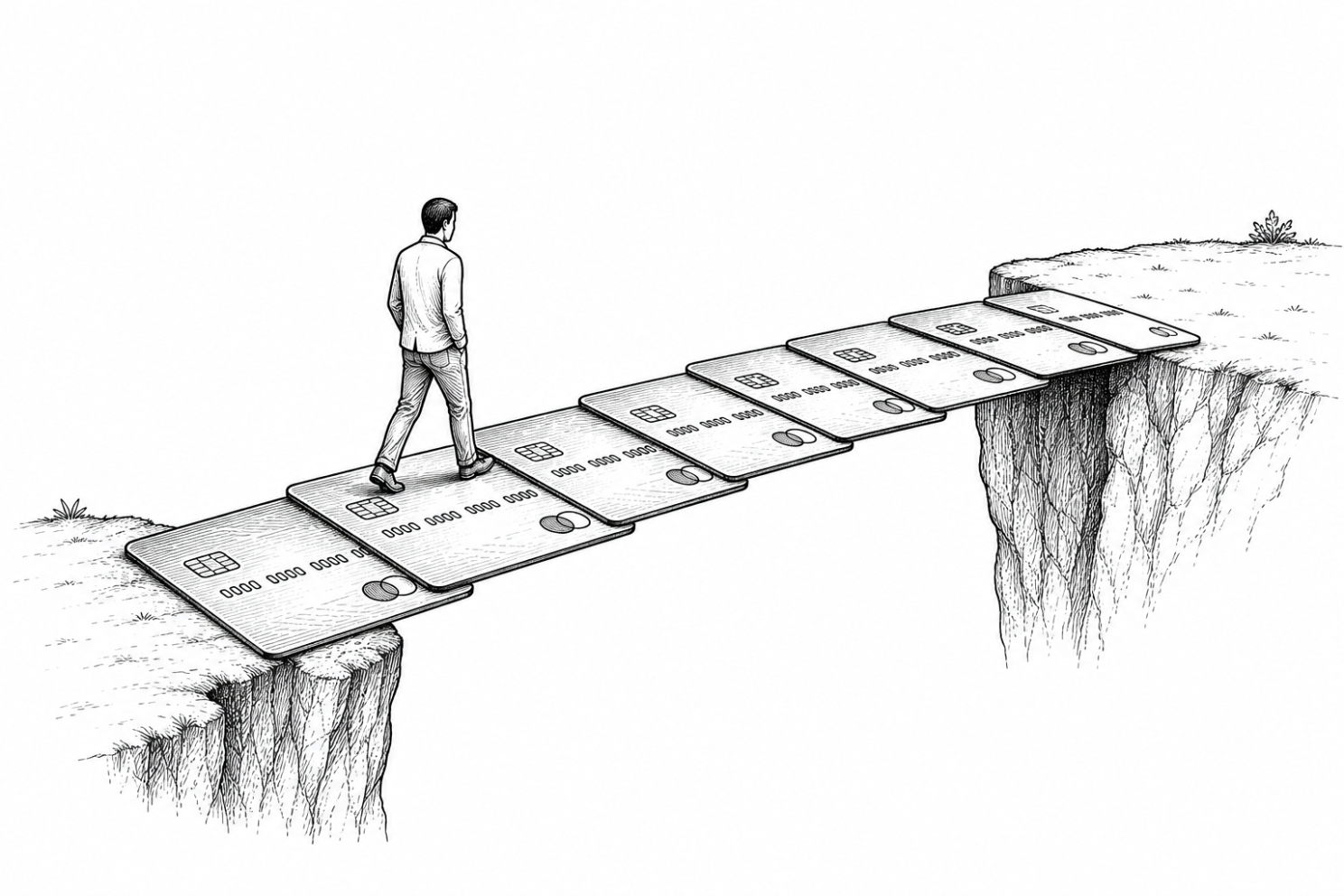
The jobs number is not the only data point that landed today telling two different stories simultaneously. The Federal Reserve’s latest Beige Book, released Wednesday, found that inflation continued to rise across most regions while businesses reported growing consumer caution and increased credit card use. As SSC reported in The Inflation Story Isn’t About Prices Anymore, the mechanism worth watching is not the price level itself — it is what households are doing to absorb it. Credit cards are increasingly functioning as a bridge between stagnant purchasing power and rising living expenses. Borrowing is no longer primarily fueling consumption. It is preserving continuity. An economy can appear strong while families quietly accumulate financial strain beneath the surface. The 172,000 jobs added this morning and the credit card debt financing last month’s groceries are both real. They are not the same story.
Daily Visual Signal
A visual interpretation of the deeper systems, tensions, and structural shifts shaping the current moment — designed to translate complex societal changes into a single frame.

When Protection Becomes Prosecution.
The Civil Rights Division was created to protect historically excluded communities from discrimination. Today, it is being used to investigate the very programs designed to include those communities. The enforcement arrow has reversed direction.
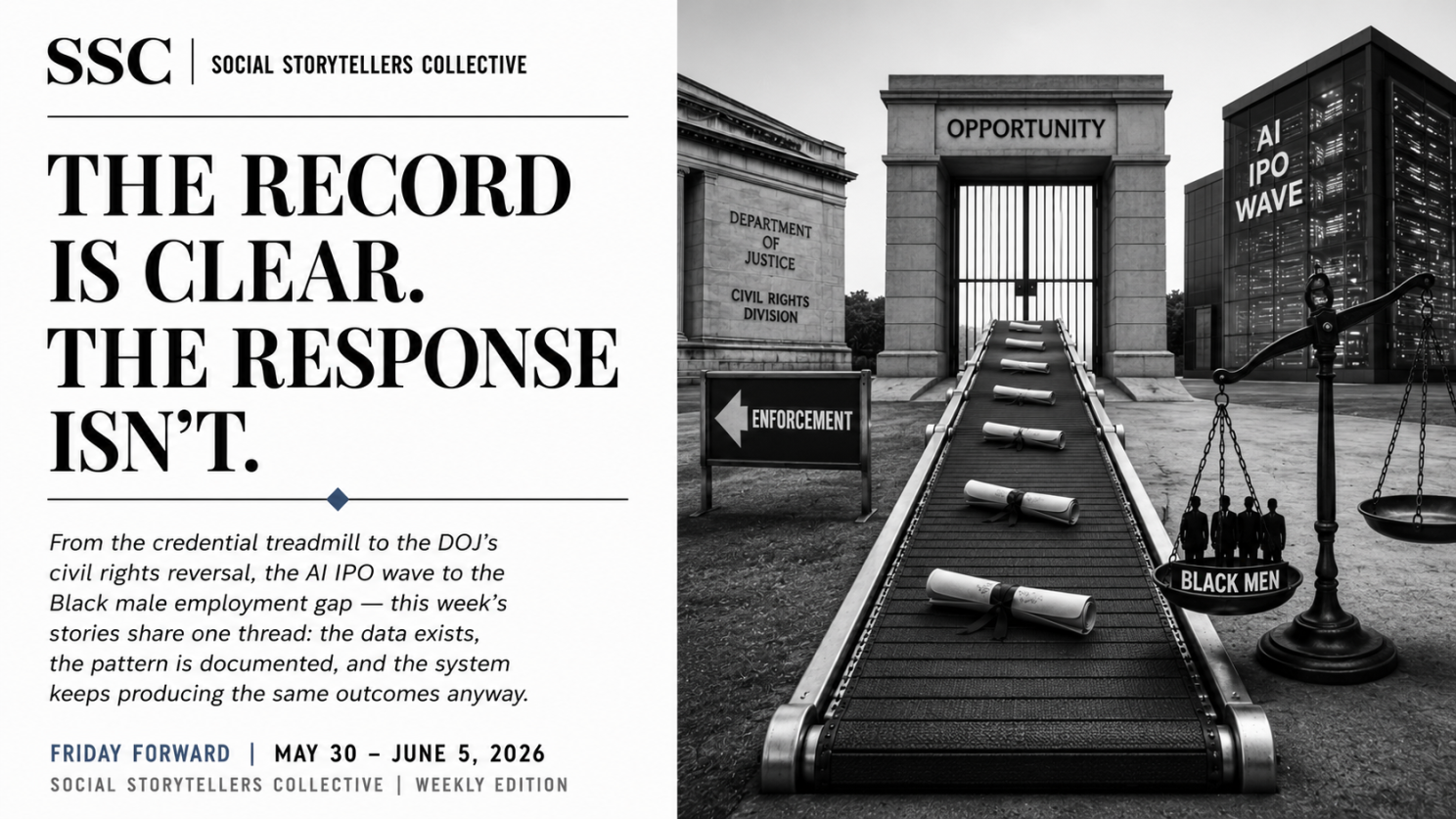
Social Storytellers Collective publishes the End of Day Closing Note every weekday — a daily synthesis of the stories shaping the structural landscape. On Fridays, we package the full week into the Friday Forward — one document covering every beat, every story, and every structural argument we tracked. This week’s edition covers the Black male employment gap, the DOJ’s civil rights reversal, the AI IPO wave, the credential economy, and what a candy store worker named Kim revealed about the institutions we still need. The Record Is Clear. The Response Isn’t. Subscribe to Friday Forward and never miss the weekly synthesis.
Friday’s record carries the same thread it always does — the distance between what the headline signals and what the structure produces. The jobs number landed this morning. The Civil Rights Division is investigating civil rights programs. Visa access across Africa is being consolidated. The World Cup guest list is narrower than advertised. A 50-car fleet is generating revolution-sized headlines. And somewhere in an airport terminal this week, a song written in 1990 stopped traffic because the people who needed it never stopped needing it.
We will be back Saturday. — SSC
All of today’s coverage lives at socialstorytellerscollective.substack.com. The full archive, beat navigation, and every linked piece are best experienced on a computer. If you have been reading and have not yet subscribed, we would be glad to have you with us.