
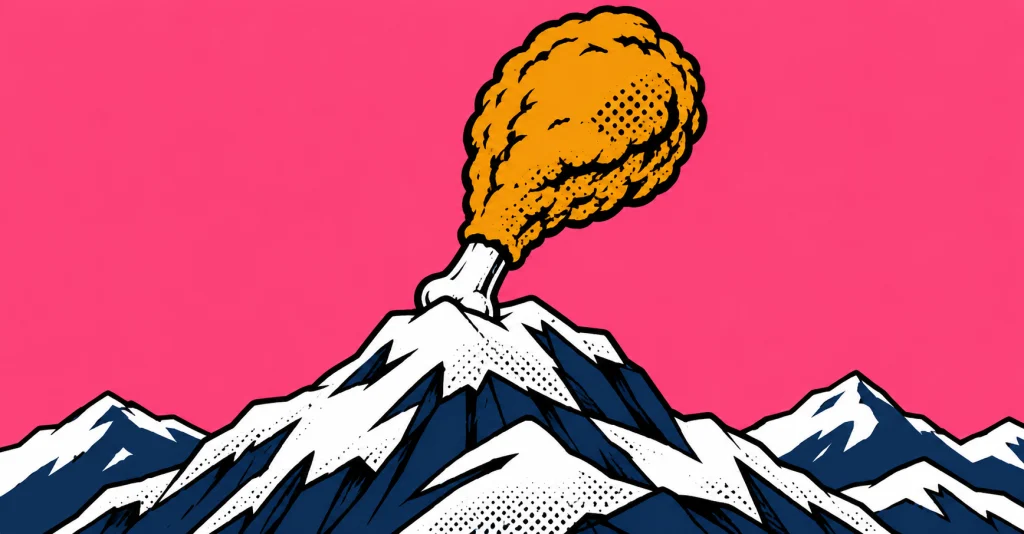
Italians are calling fried chicken on the ski slopes a cultural insult. The pushback is also about price, class, and who the Alps are for.
By SSC News Desk | November 10, 2026 | Culture | 3 min read
On December 5, KFC plans to open restaurants on two of Italy’s most famous ski slopes. One will sit at 2,123 metersinside the Faloria Mountain Club in Cortina d’Ampezzo. The other will be at 1,700 meters in Madonna di Campiglio, next to an après-ski venue. Both are run with Super G, an Italian company that operates mountain restaurants and après-ski bars, Inc.’s Moses Jeanfrancois reported. They would be the first fast-food restaurants on any Italian piste, and the reaction was immediate. Alberico Zardini, the largest shareholder in a company that runs Cortina’s ski lifts, called the plan “absurd and shameful” and threatened legal action against mountain executives, Morning Brew’s Molly Liebergallreported.
The chicken got there through an après-ski bar
KFC isn’t building on open, untouched slopes. It’s opening inside venues Super G already runs, where DJ sets and après-ski parties were part of the mountain economy before anyone mentioned a bucket of chicken. KFC Italy marketing chief Marzia Farè described the project as a way of “reaching places where no one would expect to find us.” For a brand trying to reach younger skiers, the slope is just another location. The tolerance for a DJ party at 2,000 meters, but not a fried chicken counter, shows where the objection really lies. Commercialization was already accepted on the mountain. What upsets critics is that this particular brand looks cheap.
That’s why price matters to this story as much as heritage does. Lunch at a Dolomites mountain hut is part of what the region sells, and it’s part of why a ski day there costs what it does. Wanted in Milan reported that the plan drew criticism from mountain purists and praise from skiers looking for a cheaper lunch. A tender-and-fries meal at 2,000 meters competes with the hut’s plate of canederli, and it also challenges the idea that the mountain should only be affordable to people willing to pay hut prices.
A region already rationing access
The Dolomites have spent years trying to manage crowds. Madonna di Campiglio became Italy’s first ski resort to cap visitors, limiting daily passes bought online to 15,000 during the holiday peaks, Euronews reported. Landowners on Seceda installed a turnstile to charge hikers after a 2023 Apple ad turned the ridgeline into a selfie spot. The Winter Olympics in Cortina this year brought even more attention. Every one of those measures controls who gets onto the mountain. A global fast-food chain changes who can comfortably stay there for lunch.
Even the defense of tradition comes from a commercial player. Oscar Farinetti, founder of Eataly, said KFC’s product “has absolutely nothing to do with our history and our culture,” Il Sole 24 Ore reported. Eataly is itself a global chain built on selling Italian authenticity. SSC has made this point before, from Dunkin’s “Gronkin’” stunt to luxury brands selling jeans and T-shirts back to us: authenticity is often a product, and the argument is over who gets to sell it.
What comes next
Expect KFC to open on schedule. The reports so far show no court has blocked either location, and the outrage has given the brand a level of publicity no ad budget could buy before the season even starts. The bigger test comes in February, when Cortina is at its busiest. If the KFC line runs longer than the hut line, other chains will start making offers to Super G. If it doesn’t, the mountain’s price premium survives another season. Either way, the Dolomites are learning that once you sell access to the mountain, it gets hard to control who buys in.