
Homicides in Baltimore have declined sharply from their pandemic-era peak, falling from more than 330 killings in 2020–2021 to roughly 130 in 2025, according to city data and reporting compiled by the Council on Criminal Justice. The drop represents one of the most significant multi-year declines the city has seen in decades, aligning with a broader national trend in which violent crime surged during the pandemic and has since receded across many major U.S. cities. Public officials, including Baltimore Mayor Brandon M. Scott, have pointed to a combination of targeted policing, community-based violence intervention, and sustained investment in prevention strategies as contributing factors in the decline.
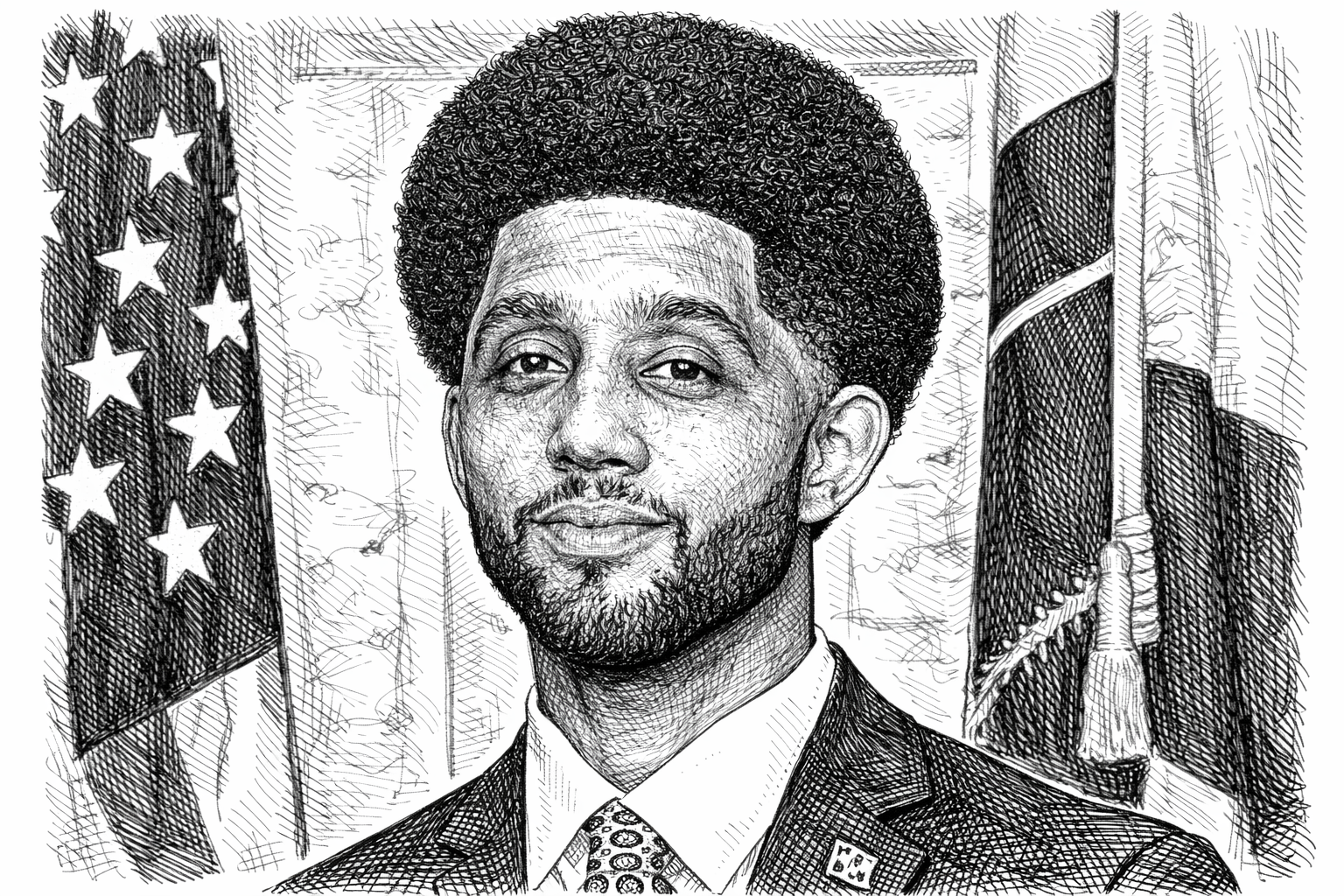
What distinguishes Baltimore’s approach under Mayor Scott is not just the outcomes but the architecture behind them. Scott has been among the most consistent and vocal proponents of community-based violence intervention at the mayoral level — a model that treats gun violence as a public health crisis rather than solely a law enforcement problem. His administration expanded the Group Violence Reduction Strategy, which pairs accountability conversations with genuine offers of social services, employment, and support for the individuals most likely to be involved in shootings. He also sustained investment in the Mayor’s Office of Neighborhood Safety and Engagement even when political pressure pushed toward more punitive responses. That combination — holding the line on a prevention-centered philosophy while managing a city with deep structural challenges and a complicated relationship with its police department — represents a governing posture that deserves recognition independent of any single year’s numbers.
The data itself is not where the conflict lies. Homicide is one of the most reliably tracked forms of crime, making large-scale underreporting unlikely. The tension instead is forming around how the numbers are framed and who gets to claim ownership of the outcome. Social media posts describing the current moment as the “lowest ever recorded” stretch beyond what the data supports, which more accurately reflects the lowest levels in roughly half a century. That distinction, while subtle, becomes consequential in a political environment where progress is often packaged for attribution rather than understood as the product of overlapping systems, timelines, and conditions that extend beyond any single administration.
What’s emerging is a familiar pattern in the current information environment: measurable improvement colliding with fragmented trust. Crime can decline while public perception remains unchanged or even skeptical, particularly when data is filtered through partisan framing and algorithmic amplification. Baltimore’s trajectory reflects a broader structural reality taking shape across the country. The systems producing outcomes may be stabilizing, but the shared agreement on what those outcomes mean is not.