
All Newsletter Archive stories, newest first.

Twenty-seven songs, twenty-seven structural arguments.
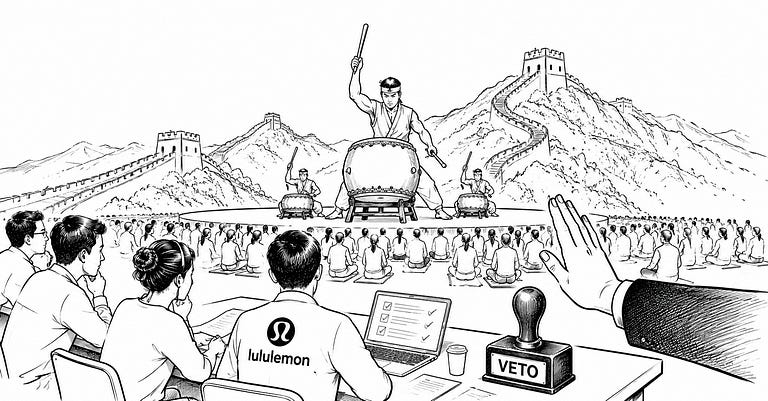
The brand says it lacked the expertise to catch the mistake. The 2,000-person production chain that built the event says otherwise.
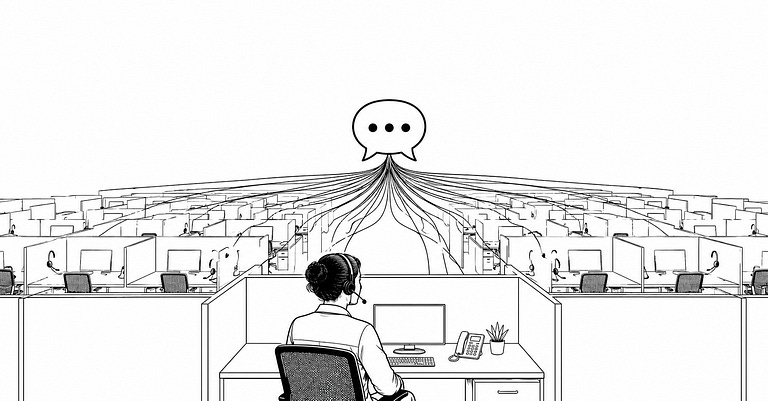
The company didn't restore the 700 jobs it cut. It built a flexible labor pool to patch what the AI still can't handle — and that's the more durable story.
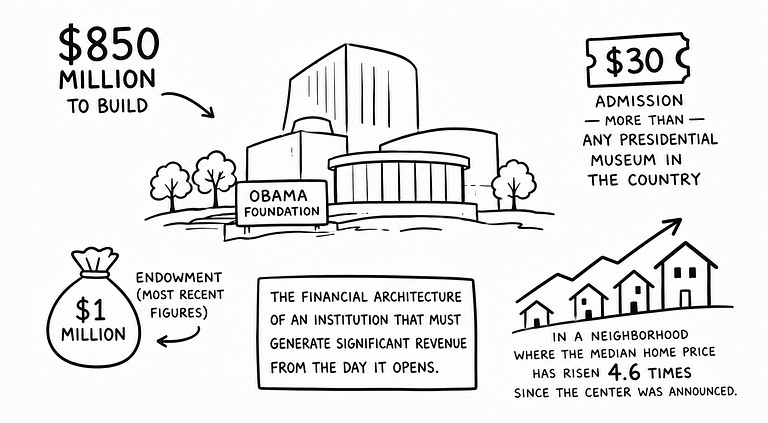
The campus is a monument to Black political ascent. The neighborhood it sits in has spent a decade paying for the announcement.

In Britain, growth forecasts are weak. But the argument investors are making isn’t about stimulus — it’s about predictability.
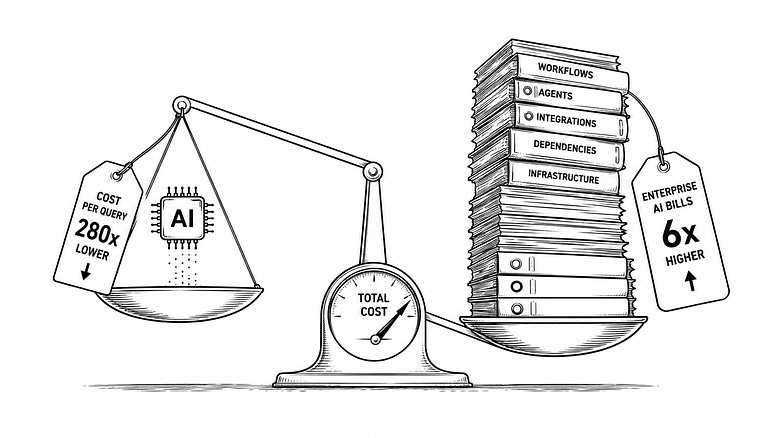
Token prices have dropped 280 times in two years. Enterprise AI budgets have grown nearly 6x in the same period. The math is not a contradiction — it is a mechanism.
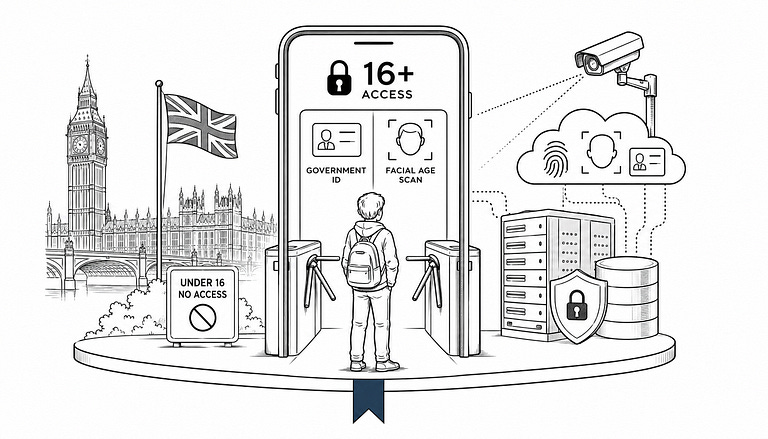
Britain announced this week that it will ban social media access for users under 16, backed by age-verification requirements that will require anyone opening a new account to prove their age with a government-issued ID or pass a facial age scan. The regulations are expected before the end of the year, with implementation in Spring 2027. Users who are 16 or 17 will still have access, but live streaming and direct communication with strangers will be switched off by default.The policy has public support. 9 in 10 parents back the ban. Two-thirds of young people agree that under-16s should not have access to at least some platforms. The Information Commissioner’s Office has called on platforms to implement facial age estimation, digital ID verification, or photo matching, after finding that self-declaration — the current industry standard — is easily bypassed. The political conditions for this kind of intervention have been building for several years, and Britain is now acting on them. What the UK is building is not a content moderation system. It is an age-gating infrastructure — a layer of identity verification between a person and a communications platform, enforced at the account level. For the first time in the internet’s mainstream history, using a social platform will require proving who you are to a government or government-accredited body before you begin. The question is not whether platforms influence children. That debate is settled. The question now is whether governments should control the architecture of childhood access to the public digital world — and Britain has answered yes.The implications run beyond children. Age-verification infrastructure, once built, is infrastructure. A system designed to verify that someone is over 16 can verify other things. The biometric and identity data involved — facial scans, government IDs — does not disappear after a single check. The ICO has said platforms must use these tools. It has not yet fully answered who holds the data, under what conditions, for how long, and what purposes it can serve beyond the age check it was built for.Other governments are watching. Australia has enacted similar restrictions. France is debating them. European Union regulators have indicated that the Digital Services Act provides mechanisms for comparable requirements. What Britain is implementing at the national level, other governments may implement through different regulatory vehicles — and each implementation will face the same unresolved question: you cannot build a wall around childhood online without also building the surveillance architecture that the wall requires.— SSC Policy Desk | Social Storytellers Collective
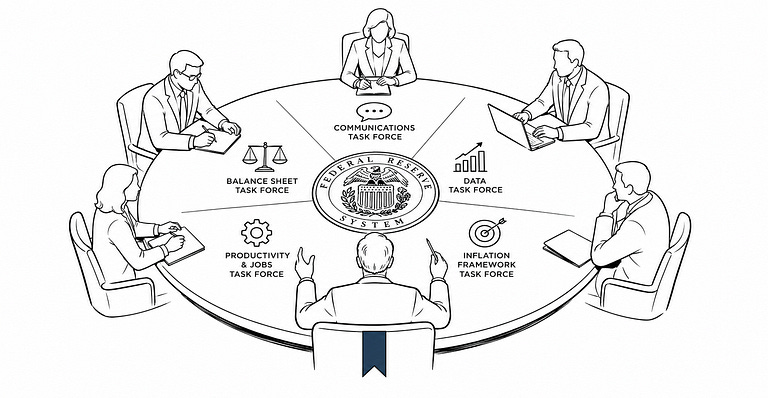
Kevin Warsh has been chair of the Federal Reserve for less than a year, and his first major move is not a rate change. It is an org chart.Warsh announced five task forces this week covering communications, the balance sheet, data, productivity and jobs, and the Fed’s inflation framework. Each pairs internal staff with outside experts — selected by Warsh. None delivers immediate policy changes. All of them deliver something else: a structured process through which Warsh’s preferences can become the institution’s conclusions.The $6.7 trillion balance sheet task force is the most watched. The Fed accumulated that position through a decade of quantitative easing and pandemic-era intervention, and it has been the source of ongoing debate about whether the Fed has become too embedded in financial markets to function as an independent monetary authority. Warsh has long believed the balance sheet needs to shrink. A task force that “reviews the benefits and risks” of the current approach — staffed partly by experts Warsh selects — is designed to produce a report that the full Federal Open Market Committee will find harder to ignore than Warsh’s personal views alone.The communications task force is the subtler signal. A vote on changes is deferred until the task force reports, late this year. That deferral covers the press conferences, the meeting transcripts, the forward guidance architecture — all of the public-facing machinery through which markets read the Fed’s intentions. Whoever shapes the communications review shapes how the institution talks about itself, which is how institutions change without changing their stated mandate.This is recognizably a CEO’s playbook. You enter a complex institution, identify the levers, build a structured process that generates legitimacy for the conclusions you already hold, and let the timeline do the work. The approach is not illegitimate. It is, in fact, how most durable institutional change happens — through process rather than edict. What it means for monetary policy is that the Fed’s next chapter will be written by task forces, not rate decisions, and the reports will arrive over the next six to twelve months.The open question is what happens when a task force recommends something the FOMC majority doesn’t want to do. Warsh’s tool is legitimacy, not authority. If the process produces conclusions that clear political cover for the changes he wants, the playbook worked. If it produces reports that the committee reads and then sets aside, the institution will have spent a year reviewing itself without changing — which is also an outcome, and also a signal about where the Fed’s internal politics actually sit.— SSC Business Desk | Social Storytellers Collective
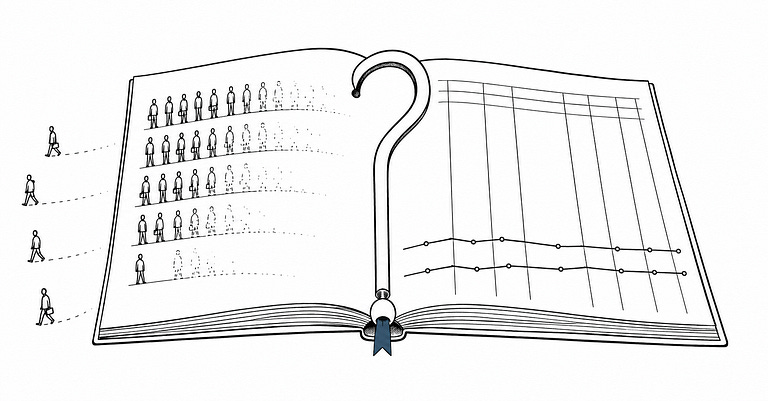
247 layoff events have displaced nearly 184,000 workers in 2026 — almost double 2025's pace — with companies citing AI.

The city’s new homebuyer assistance program offers up to $70,000. The grant is a housing intervention, but it also admits how far wages have fallen behind ownership.

A new UCLA report found fewer opportunities for women and creators of color in streaming films last year, even as diverse audiences continued to drive viewership.
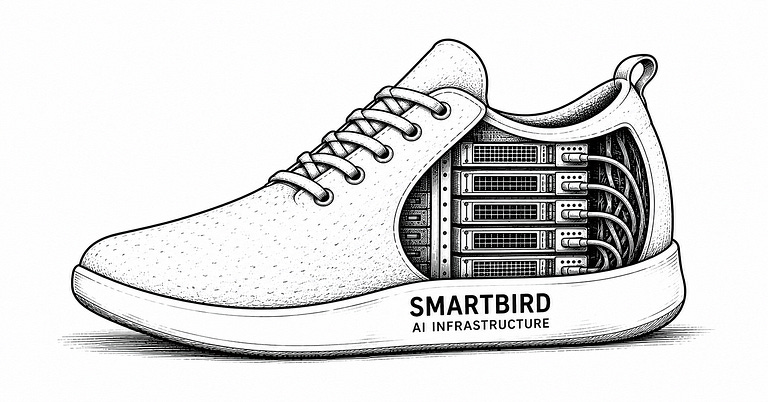
The footwear brand built around sustainable sneakers is now trying to sell AI infrastructure.