
Part of News Desk | Social Storytellers Collective
A viral social media post this week claims Iran released an AI-generated video depicting the destruction of a figure resembling the Statue of Liberty as a message to Donald Trump. The imagery is dramatic. The problem is that there is no verified evidence the video was officially produced or released by the Iranian government. No major credible news organizations have confirmed the claim. No Iranian officials have made statements. No established international outlet has traced it to a state source.
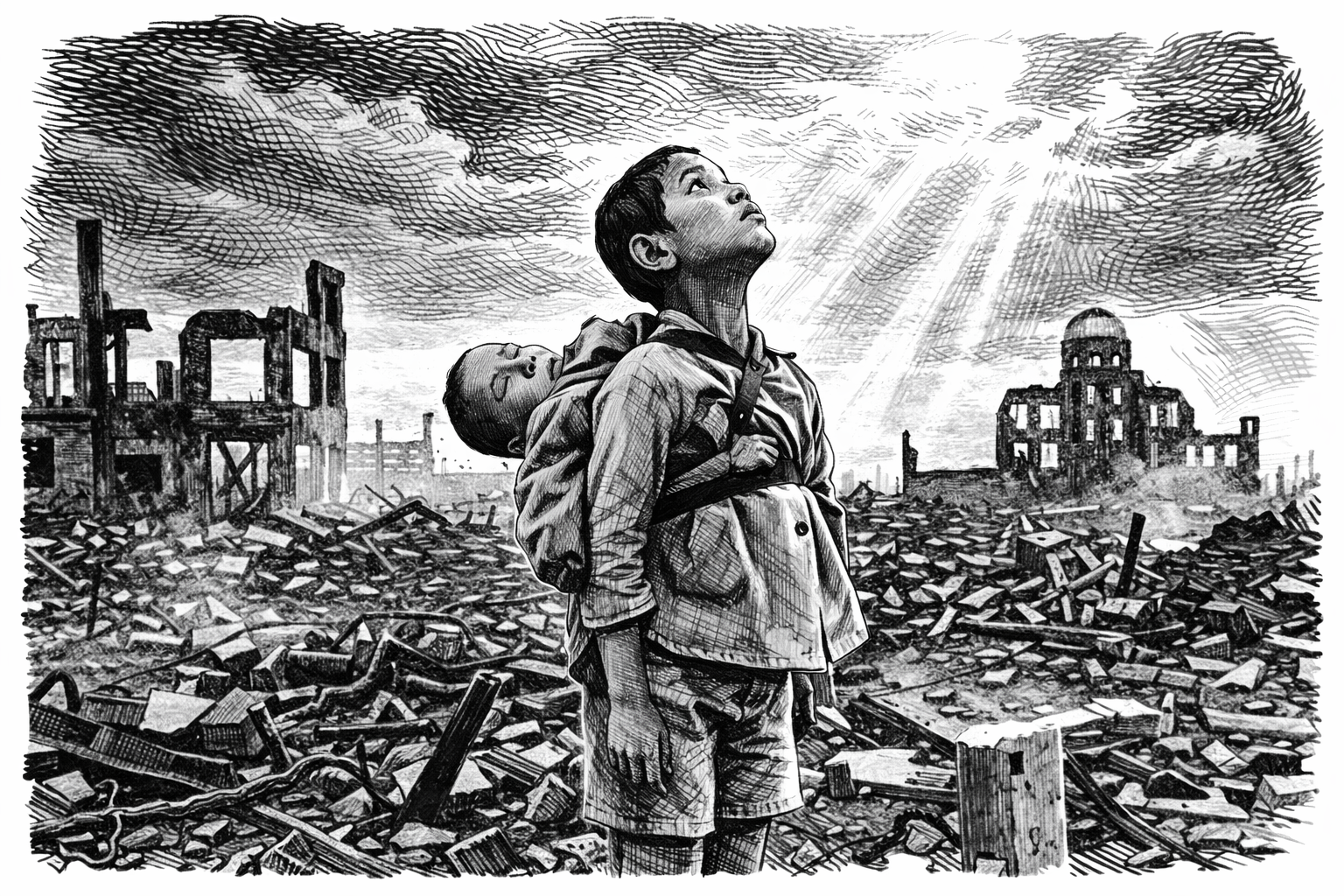
What is verifiable is the format. The video aligns closely with a growing category of AI-generated content designed to mimic wartime visuals, compress historical references, and provoke emotional response strong enough to drive rapid sharing before anyone verifies the source. The inclusion of imagery evoking Hiroshima alongside modern political figures is not accidental — it is the architecture of content engineered to feel true before it can be scrutinized.
Accounts that repost this type of material rarely confirm authenticity. They package it in a way that suggests urgency. The result is a feedback loop: the more alarming the content feels, the faster it moves — regardless of whether it is real. AI has lowered the barrier to producing high-impact visuals, while platforms continue to reward engagement over verification. As Voice of America Is Back — And the Fight Over Who Controls the Story Isn’t Over examined, when the infrastructure of credible information weakens, the space it leaves fills quickly with content that moves faster than accountability can follow.
There is no confirmed escalation tied to this claim. The question is no longer just whether something is true. It is how much damage something that feels true can do before anyone stops to ask.