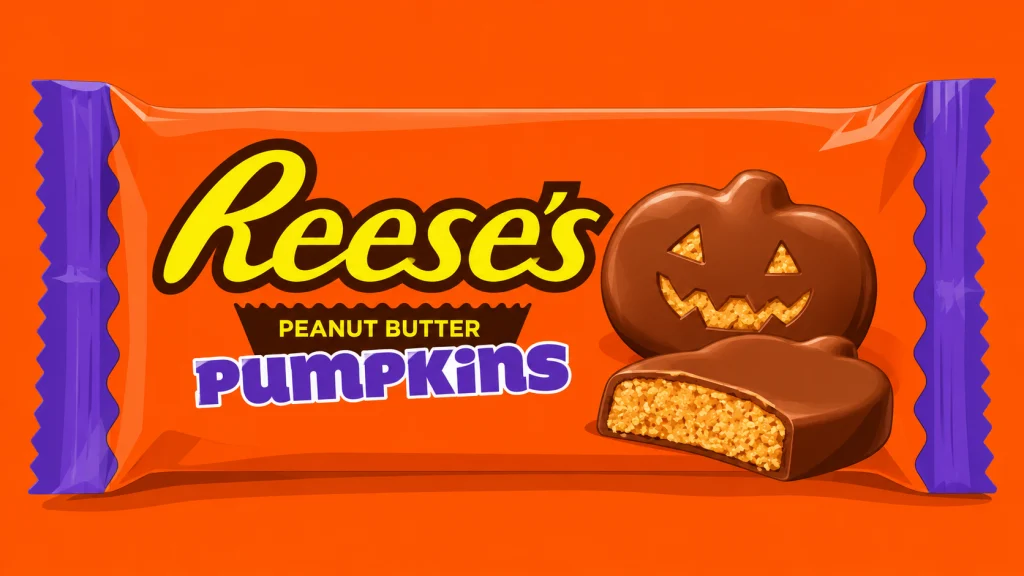
Two Florida consumers sued Hershey over Halloween chocolates that didn’t match their packaging. A federal judge dismissed the case twice, but the candy now carries an unusually specific disclaimer.
Picture picking up a bag of Reese’s Peanut Butter Pumpkins for Halloween. The orange wrapper shows a chocolate pumpkin with carved eyes and a grinning jack-o’-lantern mouth. You open it expecting that little face and find a plain, pumpkin-shaped piece of chocolate instead.
For most people, that’s a small letdown before the first bite. For two Florida consumers, it became the basis of a proposed $5 million class-action lawsuit against Hershey. Now, after two dismissals in federal court, the candy carries a new line on its packaging that reads almost like a punchline: “Carving not on actual product.”
What the lawsuit claimed
Plaintiffs Nathan Vidal and Eduardo Granados filed suit in 2024, arguing that the carved designs on the wrapper were part of the candy’s novelty appeal. They said they would not have bought the product, or would have paid less, had they known the chocolates inside were blank. Vidal said he bought three bags expecting the carved face shown on the package.
Their complaint wasn’t about taste or quality. It was about a promise of appearance that, they argued, the product didn’t keep.
Hershey’s defense
Hershey countered that reasonable shoppers would see the illustrations as decoration, not a guarantee. Its packaging already carried the words “Decorating Suggestion,” and the company noted that customers still received exactly what they paid for: an edible, pumpkin-shaped Reese’s candy.
That turned the case into a narrower legal question. Not whether the pumpkins had faces, but whether the missing faces caused a real, measurable financial loss.
Why the judge threw it out
U.S. District Judge Melissa Damian first dismissed the case in September 2025. The plaintiffs refiled, and in September 2026 she dismissed the amended complaint as well.
The judge found the plaintiffs hadn’t shown a concrete economic injury. They tried to prove they overpaid by pointing to prices at Target, Walmart and Hershey’s online store, but they had actually bought their candy at Publix. She noted that the pumpkins weren’t defective or worthless, and that they still had their novel pumpkin shape. In her view, the complaint described disappointment, not financial harm.
The ruling turned on standing, the legal threshold for bringing a case, not on a finding that Hershey’s packaging could never mislead anyone.
The new disclaimer
The story might have ended there if not for this year’s Halloween packaging. As USA TODAY reported Oct. 6, Reese’s Peanut Butter Pumpkins now carry the line “Carving not on actual product” directly beneath the illustrated candy, replacing the old “Decorating Suggestion” note.
Hershey hasn’t said whether the lawsuit prompted the change. But the new wording addresses exactly the gap the plaintiffs took to court.
What it means for you
Food packaging runs on idealized images: the picture-perfect cereal bowl, the frozen dinner styled under studio lights, the dessert that never looks that good at home. Most shoppers know advertising involves some polish.
The line gets blurrier when the pictured feature is the reason someone buys the product. A seasonal candy sold on its shape and look sets a different expectation than an ordinary chocolate bar, even if the ingredients are identical.
The case also shows the gap between feeling misled and having a lawsuit. You can be reasonably disappointed in a purchase without having a claim a court will hear. Judges look for standing, evidence of real financial injury and a violation of specific consumer-protection laws. Here, the plaintiffs fell short of that bar. That doesn’t settle how every shopper reads the packaging, or how accurately companies should picture what they sell.
For Hershey, the new label is a simple fix: same candy, same festive illustration, clearer expectations. The company won in court, but the case left its mark on the wrapper. Somewhere between the smiling pumpkin on the package and the plain chocolate inside is a reminder that even familiar candy can spark a debate about what we think we’re buying.