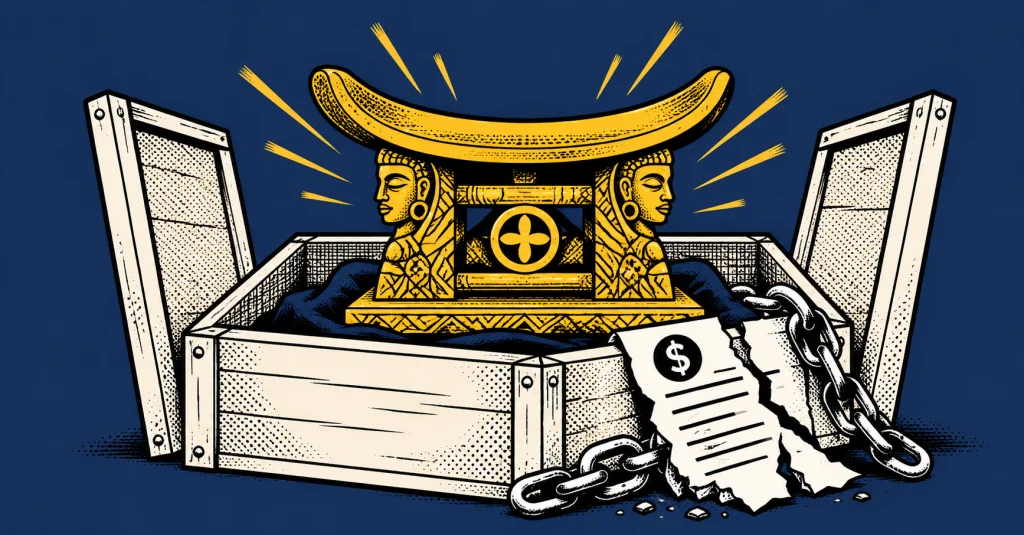
President John Mahama says Ghana is negotiating with European nations over reparations for the transatlantic slave trade. The discussions extend beyond cash payments to include cultural artifacts, debt relief and economic development.
For generations, the question of reparations for slavery has moved between academic research, political activism and international diplomacy. Governments have acknowledged historical atrocities, museums have returned selected cultural objects and campaigners have called for financial restitution. Ghana is now attempting to move that conversation into direct negotiations with European governments, arguing that the consequences of slavery and colonial exploitation require more than statements of regret.
President John Dramani Mahama said Ghana is holding discussions with Germany, France and other Western countries about reparations connected to the transatlantic slave trade. In an interview reported by the Financial Times on October 22, Mahama described a broad approach that includes returning African cultural artifacts, addressing debt burdens and supporting economic opportunity. His comments mark a diplomatic development in a campaign involving African and Caribbean governments, although no comprehensive reparations settlement has been announced.
The negotiations are significant because reparations can mean different things depending on who is proposing them. Direct compensation, public investment, cultural restitution, debt cancellation and formal acknowledgment of historical wrongdoing are all possible elements. Some advocates consider financial payments essential, while others emphasize institutional reforms and long-term economic measures. Ghana’s approach suggests that its government is seeking several forms of restitution rather than limiting negotiations to a single payment.
A History Still Present in the Economy
The transatlantic slave trade forcibly transported millions of Africans across the Atlantic, generating wealth through the exploitation of enslaved labor. European merchants, financial institutions, governments and colonial enterprises participated in or benefited from the trade, while African communities experienced displacement, violence and long-term social disruption. The historical record establishes those harms, but translating them into contemporary legal and financial obligations is complicated.
Reparations advocates argue that the effects of slavery and colonial exploitation extend into present-day disparities in wealth, infrastructure and economic development. Governments considering restitution must confront questions about responsibility, the appropriate recipients, the relationship between historical institutions and modern states, and how any compensation should be calculated.
Opponents of government reparations programs often raise questions about whether current taxpayers should bear financial responsibility for historical acts and how compensation could be administered fairly. Others support symbolic acknowledgment or cultural restitution while opposing direct financial transfers. Those disagreements help explain why calls for reparations have continued for decades without producing a comprehensive international settlement.
Returning What Was Taken
The return of cultural artifacts has become one of the most visible elements of the wider restitution debate. African governments and institutions have sought the return of objects acquired during colonial military campaigns, coercive transactions and other circumstances now subject to scrutiny.
Germany and the Netherlands have agreed to return substantial collections of African objects, while British institutions have pursued selected loans and other arrangements. The legal and ethical status of individual artifacts varies, and not every object held in a European collection was acquired under identical circumstances.
Returning artifacts carries significance beyond their monetary value. Objects can hold ceremonial, historical and educational meaning for the communities from which they originated. Their repatriation may also help African museums and cultural institutions expand collections and improve public access to their own histories.
Ghana’s negotiations suggest that cultural restitution will remain an important component of the broader discussion. But artifact returns alone would not address every economic demand advanced by reparations advocates.
Debt Relief as a Form of Restitution
Mahama has also raised debt relief as a possible component of reparations. This approach connects historical accountability with the present financial circumstances of developing economies. Governments carrying substantial debt obligations must allocate public revenue toward servicing those commitments, potentially limiting resources available for education, healthcare and infrastructure.
Debt relief could create additional fiscal capacity, although the actual benefits would depend on which obligations were reduced, their repayment terms and how governments used the resulting resources. It would also require negotiations involving the relevant creditors, some of which may not be the same countries or institutions implicated in the historical claims.
The proposal raises a broader question about whether reparations should focus on transferring wealth directly or changing financial arrangements that influence long-term economic opportunity. Those approaches are not mutually exclusive, and advocates differ on how they should be combined.
From Historical Recognition to Negotiated Commitments
Ghana has played a prominent role in efforts to advance reparations through African and Caribbean diplomatic institutions. Supporters have sought to build a coordinated international agenda rather than leave each country to negotiate independently. The campaign has also encouraged discussion within the United Nations and among governments whose historical involvement in slavery and colonialism remains politically consequential.
Support for acknowledging the historical harms of slavery does not necessarily mean agreement on a specific reparations formula. Governments may endorse cultural returns while disagreeing about financial compensation, or express openness to dialogue without committing to legally binding payments.
That makes the details of Ghana’s discussions especially important. The next developments will depend on whether participating governments establish formal negotiating mechanisms, identify specific areas of restitution and produce agreements that can be implemented and evaluated.
Mahama has also emphasized Ghana’s desire to process more of its own gold and cocoa domestically, connecting historical economic relationships with current efforts to capture greater value from the country’s natural resources. That agenda is separate from a reparations settlement, but it reflects the government’s broader interest in changing how economic benefits are distributed between African producers and international markets.
The reparations debate has often focused on what happened centuries ago. Ghana’s latest diplomatic effort is also concerned with what governments are prepared to do now. Returning artifacts, restructuring debt or investing in long-term development would each represent different kinds of responses, with different beneficiaries and financial implications.
The negotiations have not yet produced a comprehensive agreement. Their significance lies in the attempt to convert a longstanding demand for historical accountability into specific discussions between governments—and eventually into commitments whose results can be measured.