
CULTURE IN MOTION | HEALTH
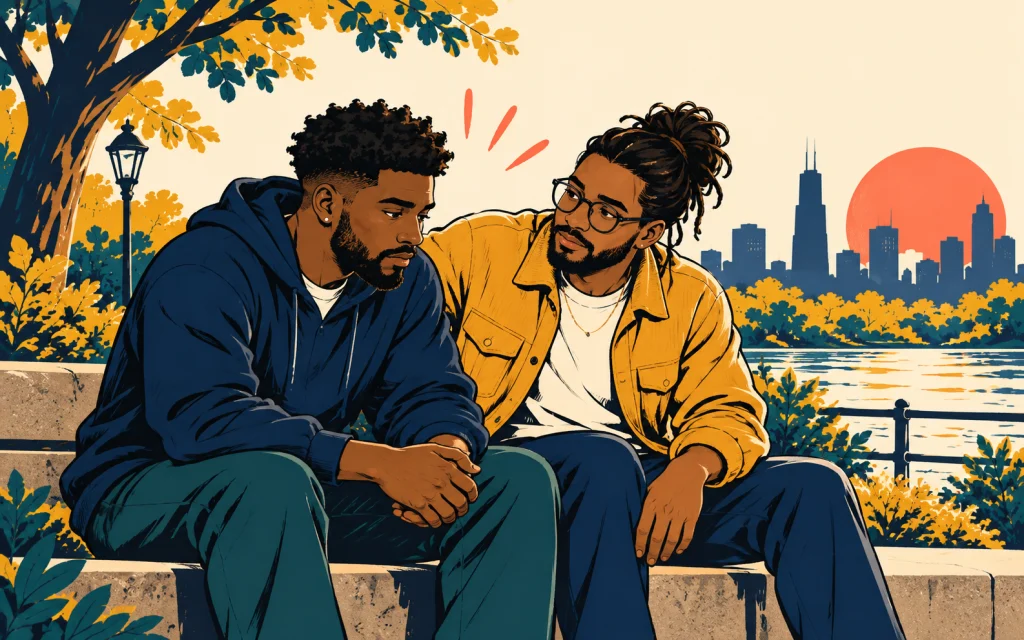
The suicide rate among Black Americans has climbed sharply over the past decade, with young Black men facing especially troubling increases even as some national measures have stabilized.
BY SOCIAL STORYTELLERS COLLECTIVE NEWS DESK
The United States recorded fewer suicide deaths in 2024 than the year before, but that national trend is masking a very different trajectory for Black Americans. NPR drew renewed attention to that divergence this week through a public conversation hosted by Morning Edition anchor Michel Martin, bringing together clinicians, lawmakers, athletes, faith leaders and people with lived experience. The discussion centered on a crisis that has received comparatively little attention: suicide deaths among Black Americans have been rising even as the overall national rate has recently flattened.
The numbers are stark. An analysis of Centers for Disease Control and Prevention data by Capital B found that the overall suicide death rate among Black Americans increased 53% between 2014 and 2024, more than 10 times the rate of increase among white Americans over the same period. In 2024, the age-adjusted suicide rate among non-Hispanic Black Americans was 8.7 deaths per 100,000 people, according to the CDC. White Americans still had a substantially higher overall rate at 17.2 per 100,000, but the direction of change is increasingly important: the Black rate has been moving upward while the national rate has stabilized.
The increase is especially concerning among young Black men. Capital B reported that young Black men are now dying by suicide at historically high rates and, for the first time in federal data, at a higher rate than young white men in the same age group. Black men overall are more than four times as likely to die by suicide as Black women. The pattern complicates a long-standing public perception of suicide as primarily a white, rural or middle-aged problem and underscores how rapidly the risk profile has changed in parts of the Black community.
One factor receiving greater attention is firearms. During NPR’s discussion, Johns Hopkins psychiatrist Dr. Paul Nestadt pointed to increased firearm access as one explanation for why suicide deaths can rise even when self-reported attempts do not. CDC data show firearms remain the leading method of suicide nationally, and firearm-related suicide was the leading means for both men and women in 2024. The distinction between an attempt and a death can therefore depend heavily on method: a crisis that might otherwise be interrupted becomes far more likely to be fatal when a gun is involved.
But access to firearms does not explain the entire trend. Researchers and mental-health professionals have also pointed to economic insecurity, racism, social isolation, unresolved trauma and difficulty accessing culturally competent mental-health care. Capital B’s reporting highlighted a recurring theme among experts working with Black men: growing awareness of mental health has not necessarily been matched by equally strong systems for responding to that awareness. That gap can leave people more willing to name distress while still struggling to find affordable, trusted and accessible support.
NPR’s decision to center the conversation on lived experience is significant because silence itself has long been part of the problem. Martin opened the discussion through the loss of her own brother to suicide and the difficulty she experienced talking about it afterward. Other participants described panic attacks, depression, grief and moments of feeling that life was no longer worth continuing. The larger message was not that mental illness always precedes suicide; CDC notes that about half of people who die by suicide do not have a known diagnosed mental-health condition at the time of death. Crisis can be sudden, and asking directly whether someone is thinking about suicide does not create the idea. It can create an opening for intervention.
The data suggest Black suicide can no longer be treated as a marginal mental-health story. It is a public-health trend moving in the wrong direction even as some national indicators improve. Addressing it will require more than encouraging individuals to seek help. It also means examining access to firearms, culturally competent treatment, economic stress, social isolation and the expectations that still make emotional vulnerability difficult to discuss in many families and communities. If you or someone you know is in crisis, call or text 988 to reach the Suicide & Crisis Lifeline 24 hours a day.