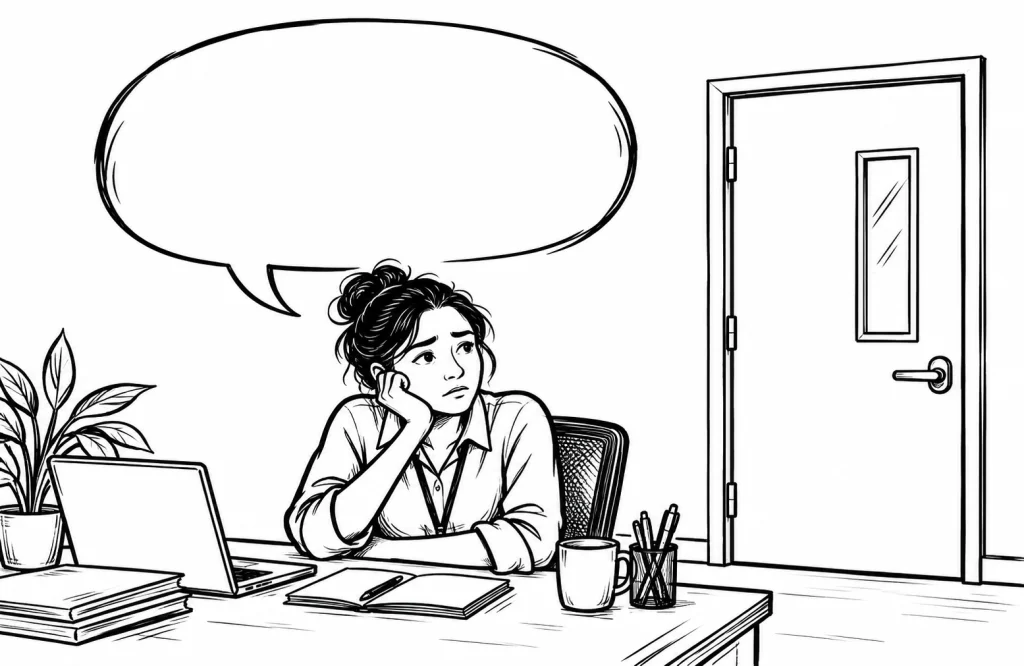
Executives, entrepreneurs and mental health advocates are calling for more openness on World Mental Health Day. But awareness is only the beginning. The harder test is whether workplaces and communities make it easier for people to get help.
BY SOCIAL STORYTELLERS COLLECTIVE NEWS DESK | OCTOBER 10, 2026
World Mental Health Day has filled LinkedIn with messages about compassion, burnout, recovery and the importance of asking for help. The annual observance, held October 10, is marking its 34th year, and the conversation has attracted executives, therapists, entrepreneurs and people describing their own experiences with mental illness. In a LinkedIn News roundup titled Mental health advocates seek to squash the stigma, contributors urged employers to create safer environments for discussing emotional difficulties. The messages are encouraging, particularly on a professional platform where success and productivity often dominate the conversation. But the volume of public support also exposes a persistent contradiction: people are increasingly encouraged to discuss mental health while the conditions that make seeking treatment difficult remain largely unchanged.
Among the contributors was Thrive Global founder Arianna Huffington, who encouraged people to recognize the relationship between mental and brain health. She recommended a small exercise: identifying one’s current emotional state in a single word. Kroger Chief People Officer Emilee De Martino emphasized listening without judgment, while therapist Courtney G. described how grief, parenting and personal responsibilities can overlap with emotional distress. Their contributions reflect a growing willingness to discuss subjects once considered inappropriate for professional settings. Yet the conversation becomes more consequential when employers move beyond encouragement and examine whether employees have affordable treatment options, sufficient time away from work and confidence that disclosing a mental health concern will not damage their careers.
The Numbers Behind the Conversation
The scale of mental health needs makes the gap between awareness and access difficult to ignore. According to the Substance Abuse and Mental Health Services Administration’s 2024 National Survey, 23.4% of American adults experienced a mental illness during the previous year, representing roughly one in four adults. Meanwhile, a March 2026 analysis from KFF found that 17% of adults delayed or went without some form of health care because of cost in 2024. That measure includes medical and mental health care as well as prescription-drug rationing, rather than mental health treatment alone. Together, the findings show why encouragement to seek help cannot substitute for affordable, accessible services.
Listening Is Not the Same as Giving People a Voice
The World Health Organization’s official 2026 theme, “Lived experiences heard: real voices, real change”, moves the discussion beyond awareness. WHO is urging governments, health systems and organizations to involve people who have experienced mental health conditions in designing the services and policies intended to support them. The agency reports that approximately 49% of psychiatric hospital admissions in countries responding to its Mental Health Atlas survey were involuntary, while 23% of reported hospital stays exceeded one year. These figures demonstrate how far mental health systems still have to go in giving people greater agency over their treatment and recovery. The campaign’s emphasis on community-based care also challenges the assumption that mental health policy should be developed primarily by institutions rather than the people using their services.
The workplace is one place where that principle can be tested immediately. An employer can publish a thoughtful message about emotional well-being while maintaining workloads, attendance requirements or management practices that discourage employees from acknowledging distress. A manager may genuinely want staff members to speak openly, but workers must also consider whether that disclosure could affect assignments, promotions or perceptions of their reliability. For organizations serious about mental health, the practical questions concern paid leave, benefit coverage, reasonable accommodations, confidential support and the ability to seek treatment without unnecessary professional consequences. These policies are more meaningful measures of institutional commitment than the number of executives participating in an awareness campaign.
The LinkedIn conversation also includes people discussing grief, sobriety, depression and the emotional burden of appearing successful while struggling privately. Those accounts should not be dismissed as performative simply because they appear on a professional social network. Public disclosure can help reduce shame, and hearing someone describe an experience similar to one’s own can make seeking assistance feel more possible. But people should not have to share their most difficult experiences publicly to receive understanding or support. As World Mental Health Day concludes, the next test is whether the institutions participating in the conversation will change how they respond when someone actually needs help. The goal should not be to make people better at talking about mental health while leaving them alone to manage the consequences. It should be to make meaningful support available long after the conversation has moved on.