
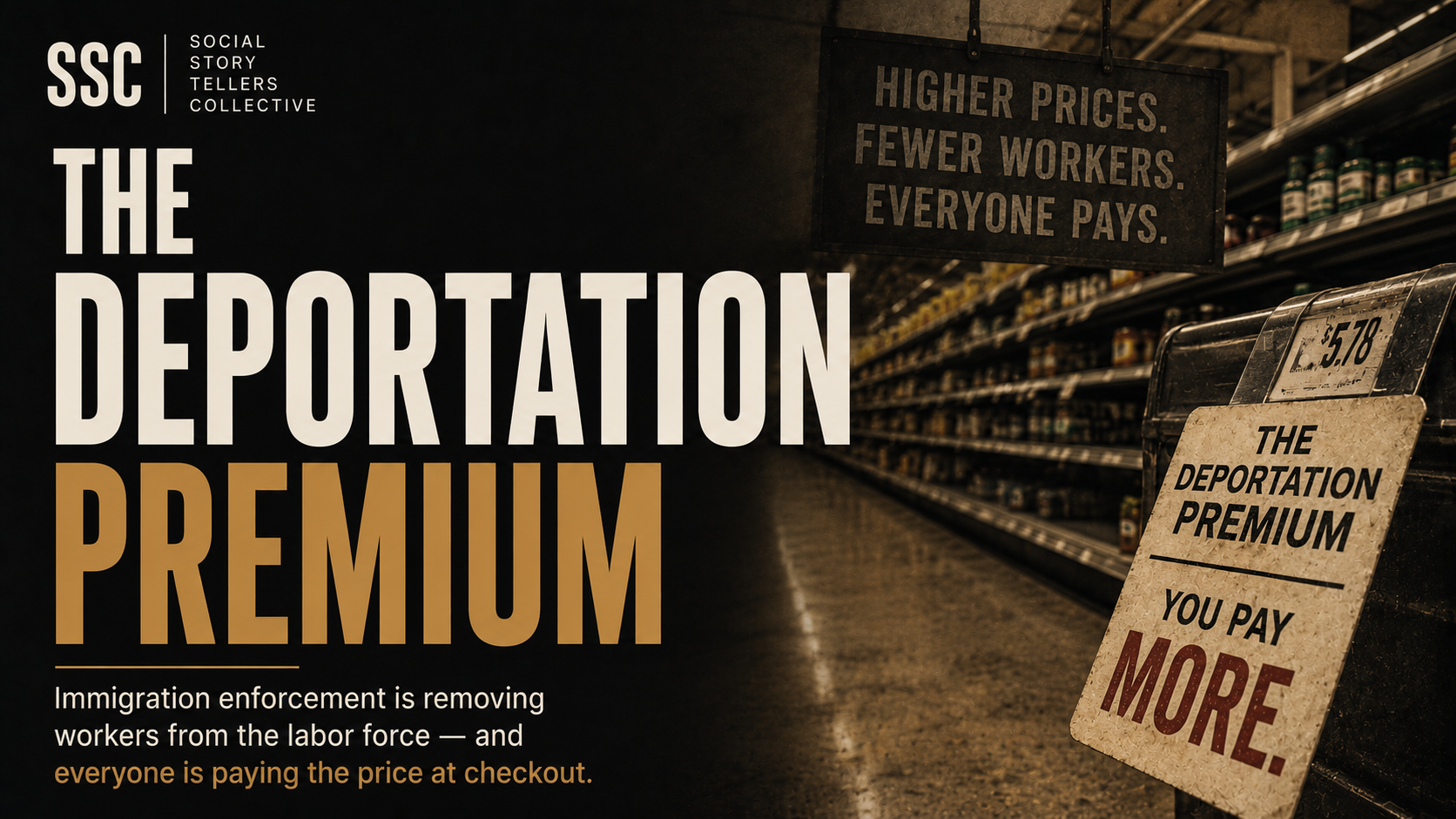
A May 2026 analysis by FWD.us, updated using 2024 American Community Survey data, makes the supply-chain argument that the policy debate keeps avoiding: removing workers from the labor force drives prices up. Trump administration immigration restrictions — mass deportations, work permit revocations, and limits on legal immigration — are reducing the labor supply in construction, agriculture, and services. Those are the sectors that build housing, grow food, and staff the facilities that low- and middle-income households depend on most. When that labor supply contracts, prices rise. Working-class families absorb more of the increase because they spend a higher share of their income on the goods most affected.
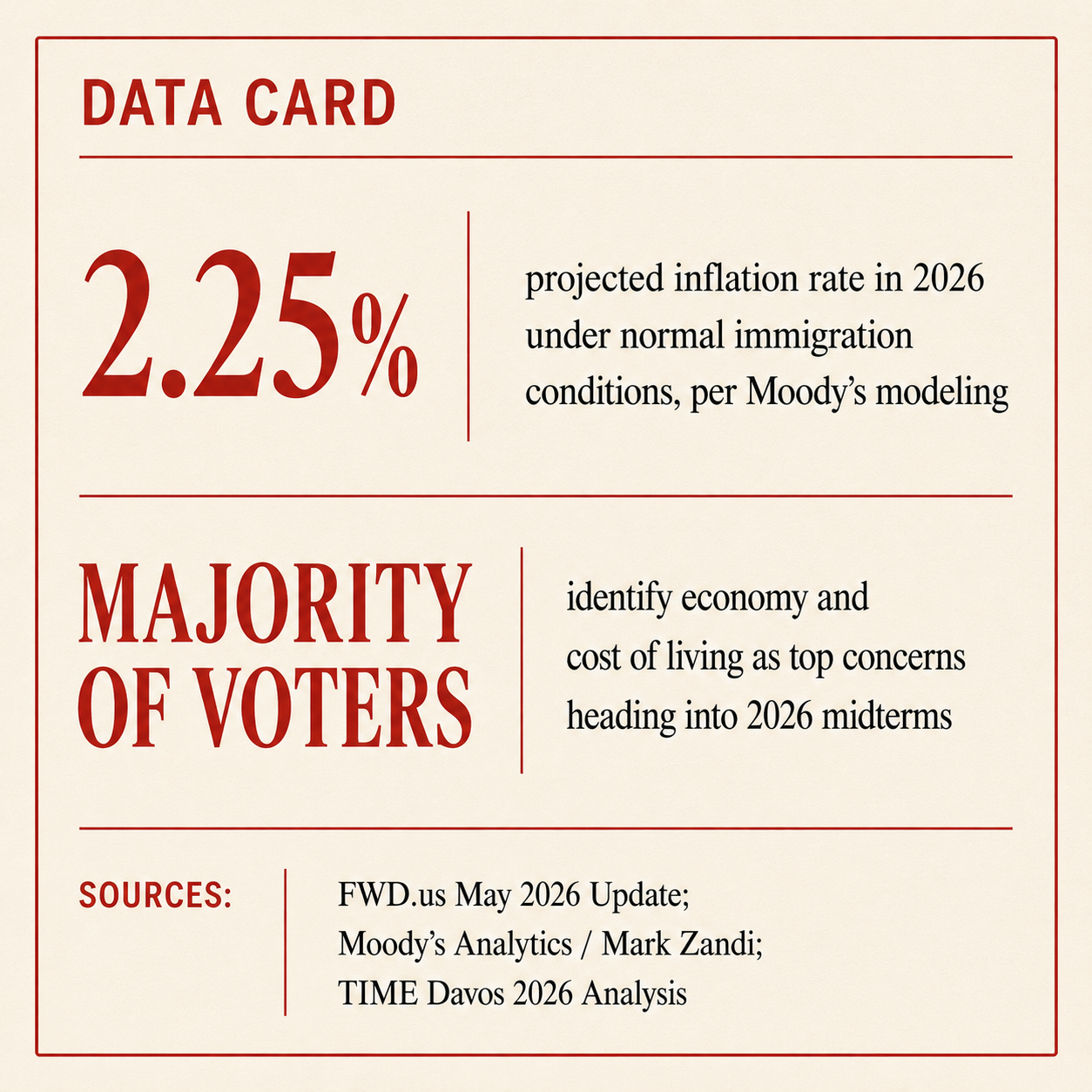
The political framing of immigration restriction as a wage floor protection for native-born workers does not survive contact with this data. An alternate economic scenario modeled without Trump tariffs and under normal immigration conditions would have kept inflation near 2.25% through 2026. The current rate is meaningfully above that. The communities most likely to be surveilled, detained, and deported are the same communities whose labor was keeping prices lower for everyone — including the households that voted for the policy. The affordability crisis and the enforcement policy are not separate issues. They are the same issue.