
The 2026 Met Gala takes place Monday, May 4, with the theme “Costume Art” and a “Fashion Is Art” dress code. Co-chairs are Beyoncé, Nicole Kidman, Venus Williams, and Anna Wintour — with Zoë Kravitz and Saint Laurent’s Anthony Vaccarello leading the host committee. The co-chair selection is significant. Beyoncé returning after serving as honorary chair, Venus Williams debuting at that level, and Kravitz on the host committee signals a deliberate centering of Black women at the event’s most visible positions. The question is whether the theme does the same work the co-chairs signal it might.
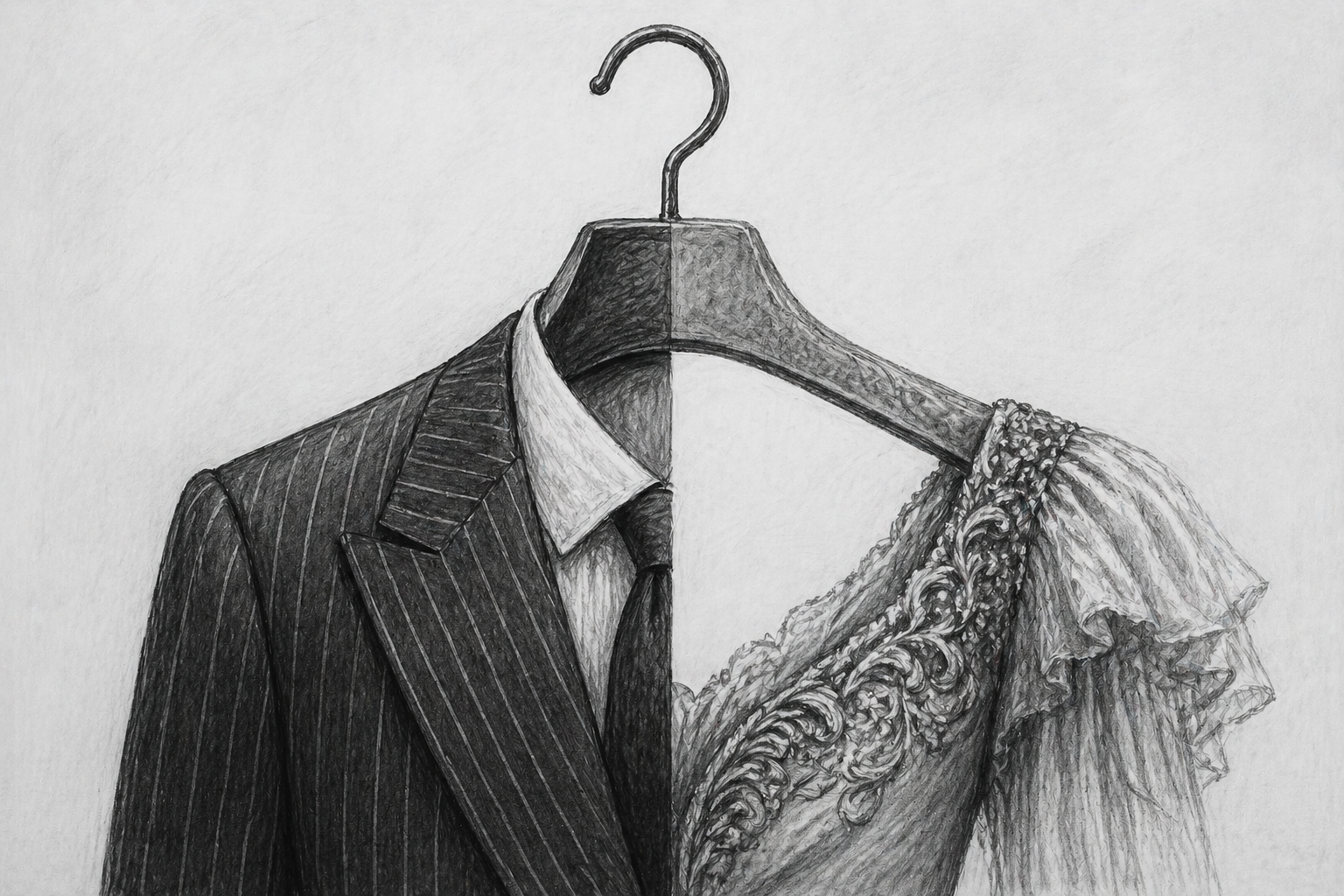
Last year’s exhibition, “Superfine: Tailoring Black Style,” made a historically specific argument. It documented Black dandyism as a tradition of cultural resistance and self-definition dating to the 18th century — the deliberate use of dress as a counter-narrative to how Black men were being defined by the systems around them. It was not a general fashion history. It was a specific cultural history being given institutional weight at one of the most visible platforms in the industry. Sydney Sweeney faced significant backlash at the 2025 Gala for wearing a look that honored neither the tailoring tradition nor Black dandyism that the theme explicitly foregrounded — a response that revealed how seriously audiences took the specificity of what was being asked.
The 2026 theme is broader. “Costume Art” explores fashion’s relationship to the body across history and across the Met’s permanent collection. The exhibition will showcase approximately 200 garments alongside 200 artworks, inaugurating the new nearly 12,000-square-foot Condé M. Nast Galleries. Curator Andrew Bolton described the concept as exploring “the centrality of the dressed body” across every department of the museum. That is a meaningful curatorial frame. It is also a frame that does not carry the same cultural specificity forward.
This is worth naming as a pattern rather than a coincidence. Institutions that center Black cultural history in one cycle tend to return to broader, more generalist framing in the next — not necessarily out of bad faith, but because specificity at this scale is harder to sustain than visibility. The Met gave Black dandyism an exhibition. The red carpet backlash against guests who didn’t honor it showed that audiences were paying attention. Whether the 2026 Gala deepens that conversation or steps back from it will be visible Monday night on the stairs of the Metropolitan Museum — and the co-chairs are the most direct signal of which direction it goes.