
The details in the lawsuit are difficult to read but structurally familiar. A Black employee alleges persistent racial harassment at a Tesla facility — slurs, dehumanizing behavior, and a workplace environment where complaints were documented but not meaningfully addressed. The specifics are extreme. The pattern is not. What stands out is not only what allegedly happened but how long it was allowed to continue within a system that had multiple opportunities to intervene and did not. That duration is not incidental to the story. It is the story — because when harassment persists across multiple documented complaints, what is being revealed is not a sequence of individual failures but an organizational tolerance, expressed through inaction, for a specific category of harm directed at a specific category of worker.
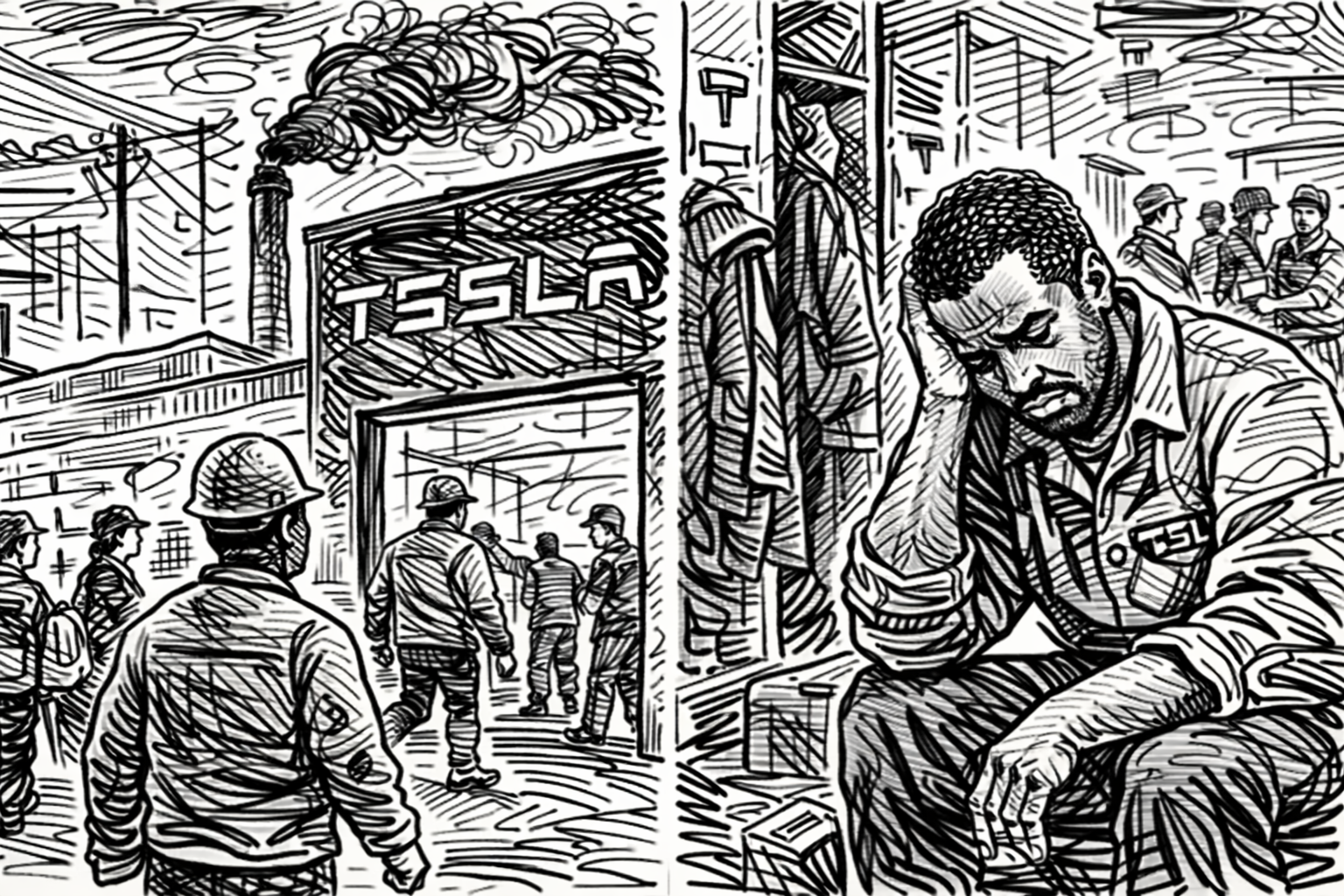
Cases like this are routinely framed as failures of individual behavior — bad actors who slipped through hiring or management processes that would otherwise have caught them. But the scale and persistence described in this lawsuit point to something structurally different. When harassment becomes normalized enough to shape how someone navigates a workplace, alters their daily routines, and ultimately affects their professional advancement, it is no longer an interpersonal issue that individual accountability can resolve. It is a reflection of what an organization tolerates, ignores, or deprioritizes — and in workplaces where Black employees have documented that these patterns occur with particular frequency and particular intensity, the organizational tolerance question cannot be separated from the racial one. The harm is racial. The system absorbing it is organizational. Both need to be named.
The incentive structure that produces this outcome is not mysterious. In large, high-growth companies optimizing for production speed and operational scale, internal systems meant to handle workplace harm tend to be reactive, under-resourced, and misaligned with the incentives that actually govern management behavior. Reporting mechanisms exist, but acting on those reports can introduce legal exposure, disrupt management structures, or slow output in ways that conflict with the performance metrics managers are actually evaluated against. In that environment, deferral becomes the path of least resistance — complaints are documented rather than resolved, responsibility diffuses across layers of management until accountability becomes difficult to assign, and the organization is no longer simply failing to prevent harm. It is absorbing that harm into its operating model as an acceptable cost of maintaining operational continuity. The documentation of a complaint, in this framing, functions less as a step toward resolution and more as a liability management tool — evidence that the process was followed, regardless of whether the outcome changed anything for the person who filed it.
The legal system then becomes the point of escalation precisely because internal systems have been structured to defer rather than resolve. Lawsuits are not simply mechanisms for individual redress. They are often the first moment where internal patterns are forced into a form of public accountability — where what has been absorbed quietly into the operating model is made visible at a scale and in a context that the organization cannot manage through documentation alone. By that stage, the harm has already persisted long enough to produce measurable damage to the individuals who experienced it, and the lawsuit is less a warning signal than a delayed bill for costs the organization chose not to pay earlier when paying them would have been cheaper and less public. That calculation — that addressing the issue costs more in the short term than absorbing it — is where the organizational accountability failure actually lives, and it is a calculation that falls hardest on the workers who are most likely to face the underlying harm and least likely to have institutional support in navigating it.
Companies that treat culture as a reputational concern rather than an operational one consistently arrive at this outcome. Culture managed externally through statements, diversity commitments, and policy language — without being enforced internally through accountability structures that carry real consequences for managers who fail to act — does not remain contained to the reputational layer. It shows up in turnover, in legal exposure, in the erosion of trust among the employees who are navigating those systems daily and watching what actually gets enforced versus what gets announced. For Black employees in particular, the gap between what a company says about its commitment to an inclusive workplace and what its internal accountability systems actually produce is not an abstraction. It is the daily material of professional life in environments where that gap is wide. When that gap becomes a lawsuit, it is not a surprise to the people who have been living inside it. It is a confirmation of what the internal signals already made clear.
What this moment signals is not simply another workplace discrimination case moving through the legal system. It is a precise illustration of how organizational priorities express themselves through what gets enforced and what gets deferred — and of how the communities bearing the cost of that deferral are consistently the same ones who were already navigating the most constrained position within the organization. Culture is not separate from operations. It is embedded within them, shaped by the same incentive structures, resource allocations, and accountability frameworks that govern everything else. When organizations fail to treat it that way, the consequences are not isolated incidents produced by bad actors. They are predictable outcomes of how the system was designed to function — and who it was designed to protect.