
Part of The Access Shift — an ongoing series examining how access is being quietly reshaped across American life.
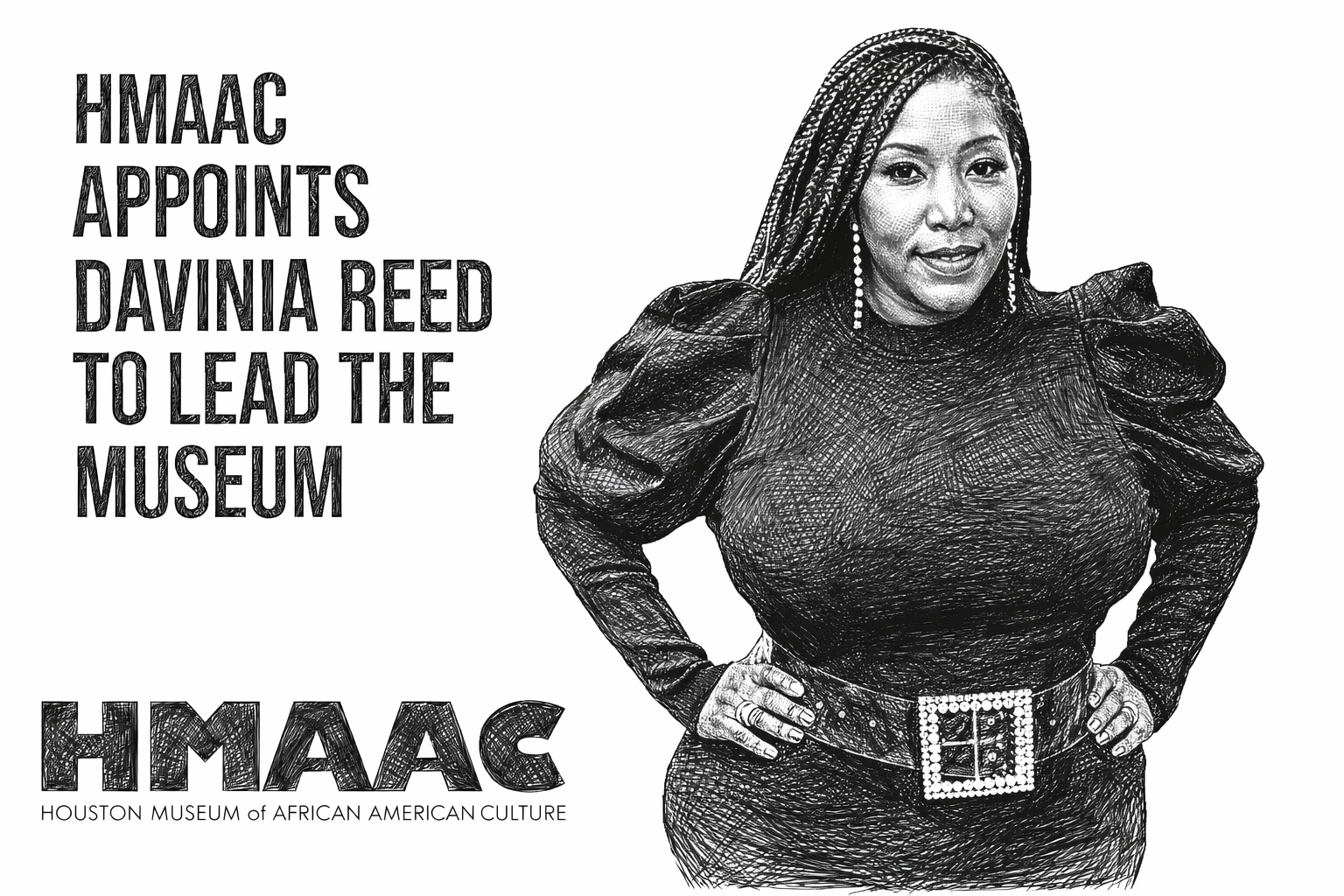
In November 2025, the Board of Directors of the Houston Museum of African American Culture unanimously voted to install Davinia Reed as the Museum’s new Chief Executive Officer, effective February 1, 2026. Reed succeeds Dr. John Guess Jr., who led the institution for 13 years — a tenure that took HMAAC from a community anchor to one of the only freestanding museums in the country dedicated exclusively to the African American experience in a major Sun Belt city. The transition is significant on its own terms. It is more significant given the moment it is happening in.
HMAAC sits in Houston’s Third Ward — the historic Black neighborhood that has anchored the city’s African American cultural life for generations and that is currently absorbing some of the most aggressive gentrification pressure in the South. The museum’s location is not incidental to its mission. It is the mission. A cultural institution that documents and preserves the African American experience in Houston cannot be separated from the neighborhood that experience was built in — and that neighborhood is changing faster than the institutions within it can absorb.
The federal funding environment compounds the pressure. As SSC covered in The Federal Government Just Redefined DEI as Discrimination and across The Access Shift series, the current administration has moved systematically to restrict, defund, and redefine the institutional infrastructure that supports Black cultural life in America. Grants that supported Black arts organizations, museum programming, and community cultural institutions have been disrupted or eliminated across the country. The National Endowment for the Arts, the National Endowment for the Humanities, and the Institute of Museum and Library Services have all faced cuts and reorientations that disproportionately affect institutions serving communities of color. HMAAC is not immune to that environment — no Black cultural institution is.
What Reed inherits is an institution with a clear mission, a community that needs it, a neighborhood that is being transformed around it, and a federal landscape that is actively hostile to the infrastructure that sustains it. That is not a management challenge. It is a structural one — the kind SSC has been covering across every beat this year. The institutions that serve Black communities are being asked to do more with less in an environment that is producing more need, not less.
Houston is the fourth-largest city in the country and one of the most diverse. Its Black community is not monolithic — it includes generations of FBAs rooted in Third Ward and Fourth Ward, a significant West African immigrant population concentrated in Missouri City and southwest Houston, and a Caribbean diaspora that has shaped the city’s food, faith, and cultural life for decades. HMAAC sits at the center of that complexity. Its new leadership will need to navigate all of it — while also protecting the institution’s physical presence in a neighborhood that developers are watching closely.
Why This Matters
A new CEO at a Black cultural institution is a leadership story. In this moment, it is also an access story. The HMAAC’s ability to sustain its programming, protect its Third Ward location, and serve Houston’s Black community through a period of economic pressure and federal hostility will depend on resources, relationships, and a funding base that the current environment is actively undermining. Davinia Reed is inheriting a mission that has never been more important — and a landscape that has never been more difficult. That combination is worth watching closely, and SSC will be watching it from Houston.