
Part of Social Storytellers Collective’s ongoing coverage of technology, health, and how tools shape daily life.
For the past year, I wore both the Oura Ring and the Ultrahuman Ring every day.
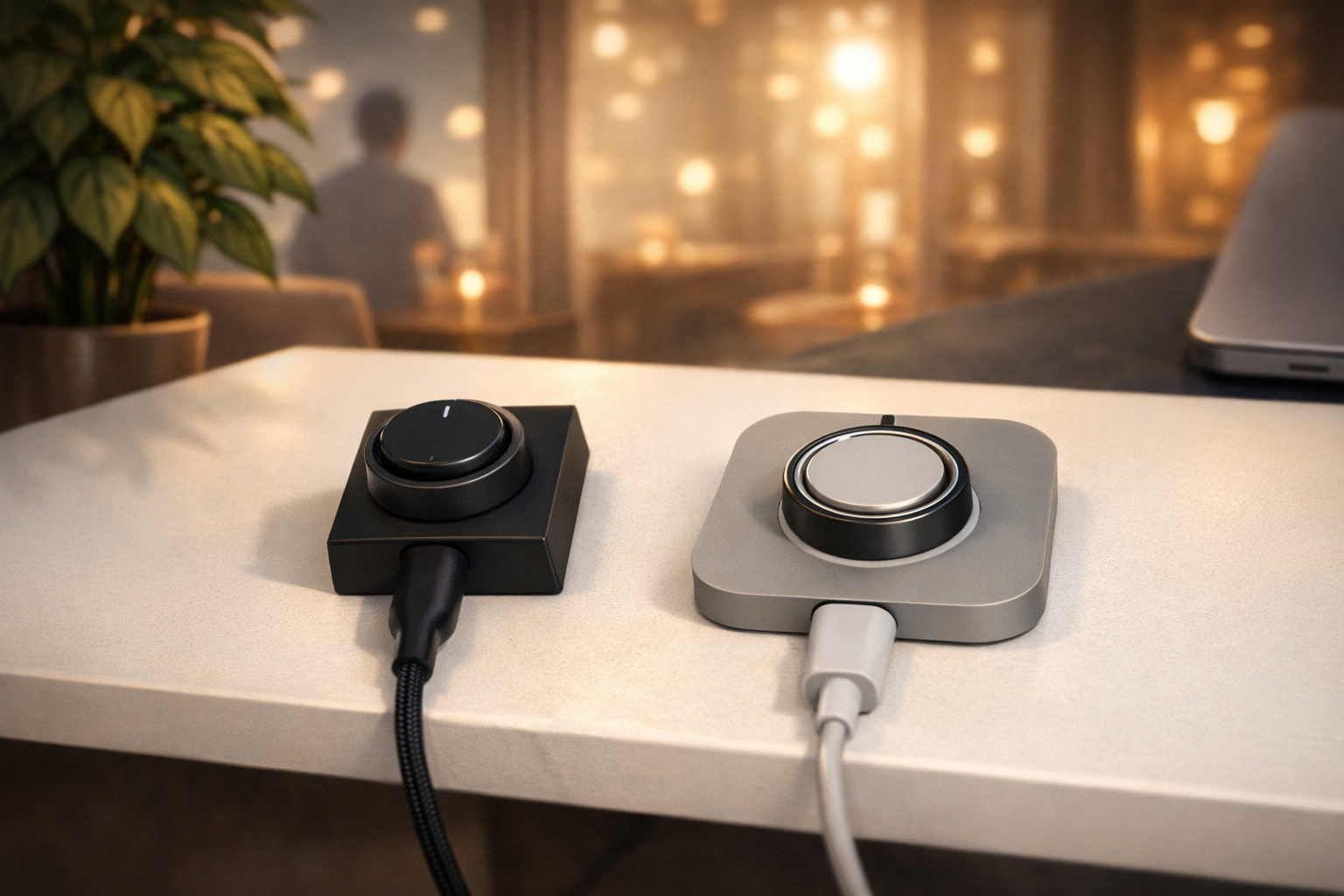
I chose black for both. At first glance they feel similar — minimal, sleek, designed to disappear into daily life. If you’re deciding between them on aesthetics alone, Oura wins. The finish is smoother, more refined, more premium on the finger. It’s the kind of thing you stop noticing you’re wearing, which is exactly what a good wearable should do.
But design is where the similarity ends.
Oura: Clarity at a Glance
Oura excels at simplicity. Open the app and within seconds you understand how you’re doing — sleep score, readiness score, activity tracking, all presented cleanly and without friction. The data is layered but never overwhelming. You get a clear picture, and you move on with your day. For someone who wants health awareness without complexity, Oura delivers exactly that.
The experience is polished in a way that feels intentional. Oura isn’t trying to change your behavior in real time — it’s trying to keep you informed. That’s a legitimate design philosophy, and for a lot of people, it’s enough.
It wasn’t enough for me.
After noticing inconsistencies in sleep tracking, I contacted Oura support. They recommended a hard reset. The issues persisted. A search online confirmed I wasn’t alone — many users had reported similar problems without resolution. Gradually, the ring shifted from a tool I actively used to something I wore out of habit. Then it stopped being either. It now sits in a drawer.
Ultrahuman: From Data to Direction
Ultrahuman takes a fundamentally different approach. The data is more comprehensive — at times almost overwhelming — but the platform doesn’t stop at reporting. It interprets. And that distinction turns out to matter more than I expected.
After meals, I received alerts tied to my glucose response — not just notifications, but actual guidance. Walk for 10 to 15 minutes to reduce a spike. Adjust portion sizes. Avoid eating too late. The platform even breaks down the sequence of eating — fiber first, then fats and protein, then carbohydrates — to help stabilize glucose levels throughout the day. These are small interventions. Over time, they compound.
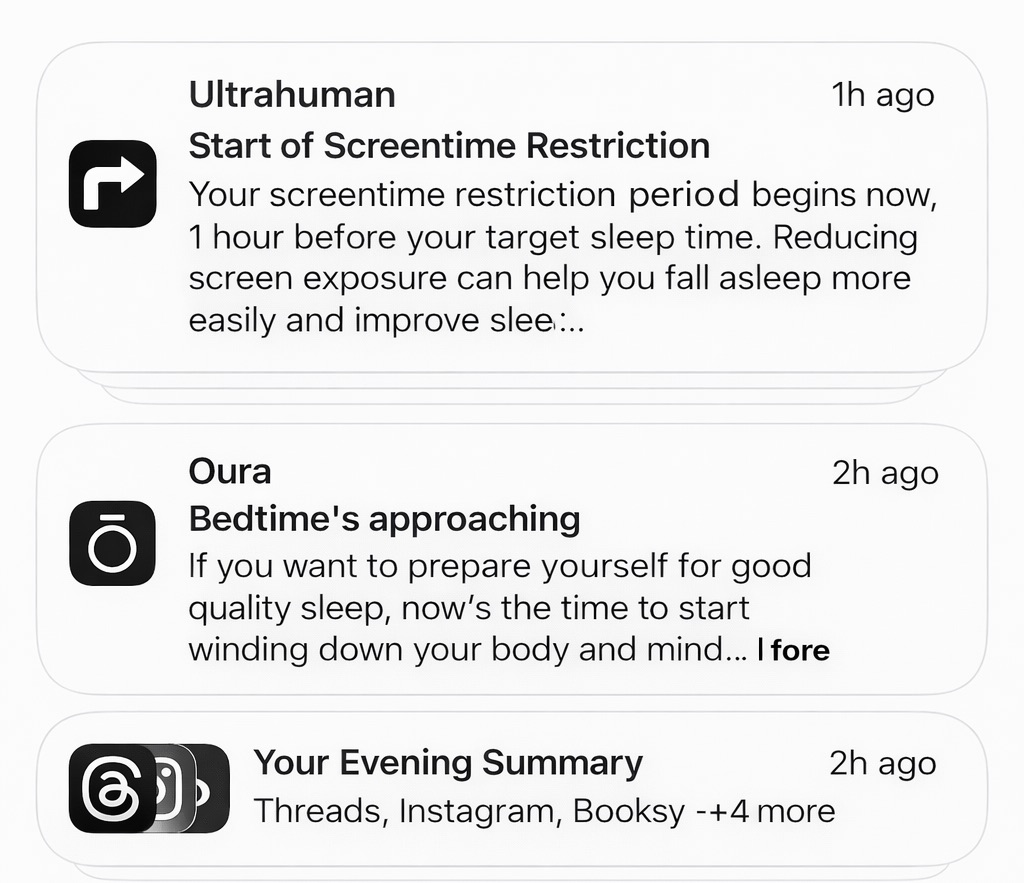
When other metrics shifted — elevated temperature, reduced HRV, higher resting heart rate — Ultrahuman didn’t leave me to decode the combination on my own. It contextualized it. Connected it to environment, circadian timing, behavioral patterns. And translated it into specific guidance: when to move, when to seek light, when to reduce stimulation.
This is where Ultrahuman separates itself. It closes the loop between insight and action. Oura tells you how you’re doing. Ultrahuman tells you what to do about it — and that shift, from measurement to interpretation, is where the real distinction emerges.
I am still wearing Ultrahuman daily, without issue. The Oura ring sits stored away — no longer a tool, but a reminder of what a wearable can be when it stops short of its potential.
The Bottom Line
If you want a clean, intuitive health companion that gives you a daily snapshot without demanding much in return, Oura is excellent. If you want a system that actively connects your data to your behavior and gives you a framework for responding to it in real time, Ultrahuman is in a different category.
The best wearable isn’t the one with the best finish. It’s the one that actually changes what you do.