For a long time, I was easily triggered by the smallest things. I didn’t understand why. What I’d been taught — directly and indirectly — was not to examine that. It was to suppress it.
The problem with suppression is that nothing actually disappears. Emotions don’t dissolve because you refuse to look at them. They sit beneath the surface, building pressure, and eventually they find a way out — usually at the wrong moment, onto the wrong people. For me, that meant frustration and anger spilling out on the people closest to me, the ones who deserved it least.
At some point I had to stop and ask the obvious question: what was I going to do about it?
I went to therapy. I started using physical exercise and journaling to manage stress in ways that didn’t cost me relationships. My curiosity about conflict and human behavior eventually led me to study the subject formally — earning a Master’s degree in Conflict Resolution, learning practical tools for diffusing tension rather than escalating it. Along the way, I had to confront something harder than any academic material: my own ego. Left unchecked, it had the potential to take things from me I wasn’t willing to lose. So I started making different choices. I learned to walk away. I learned to pick my battles. And I learned — slowly, not easily — that not every battle is meant to be fought.
What I was really learning, I understand now, was emotional intelligence. Not the concept from a book, but the practical version: the ability to notice what you’re feeling before you act on it. To ask why before you react.
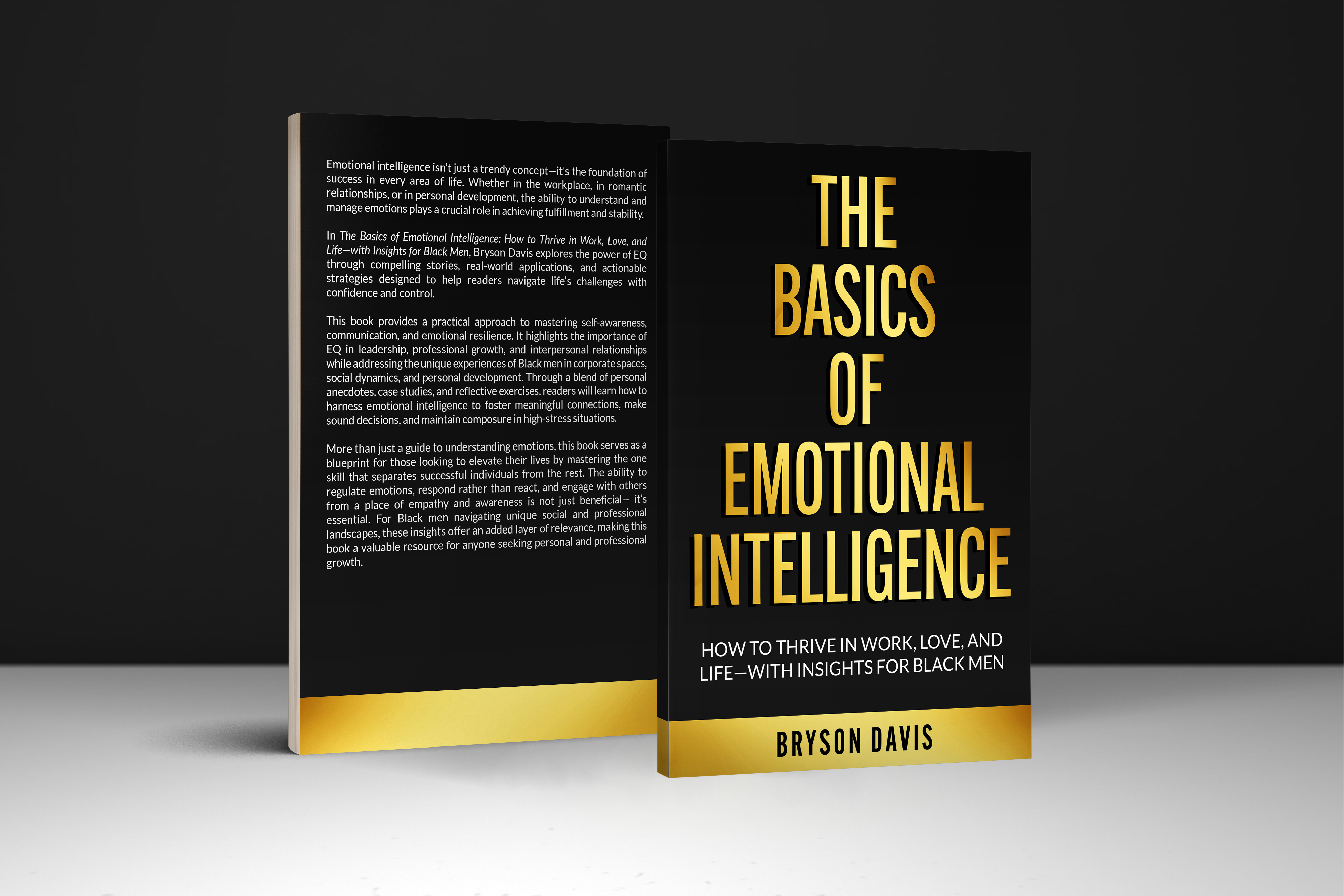
Reading Bryson’s The Basics of Emotional Intelligence recently brought that back into focus. The foundation isn’t complicated theory. It’s something simpler and harder — noticing what’s happening inside you before it spills into the world around you. Why did that comment irritate me? What am I actually feeling right now? Is my reaction proportionate to what just happened?
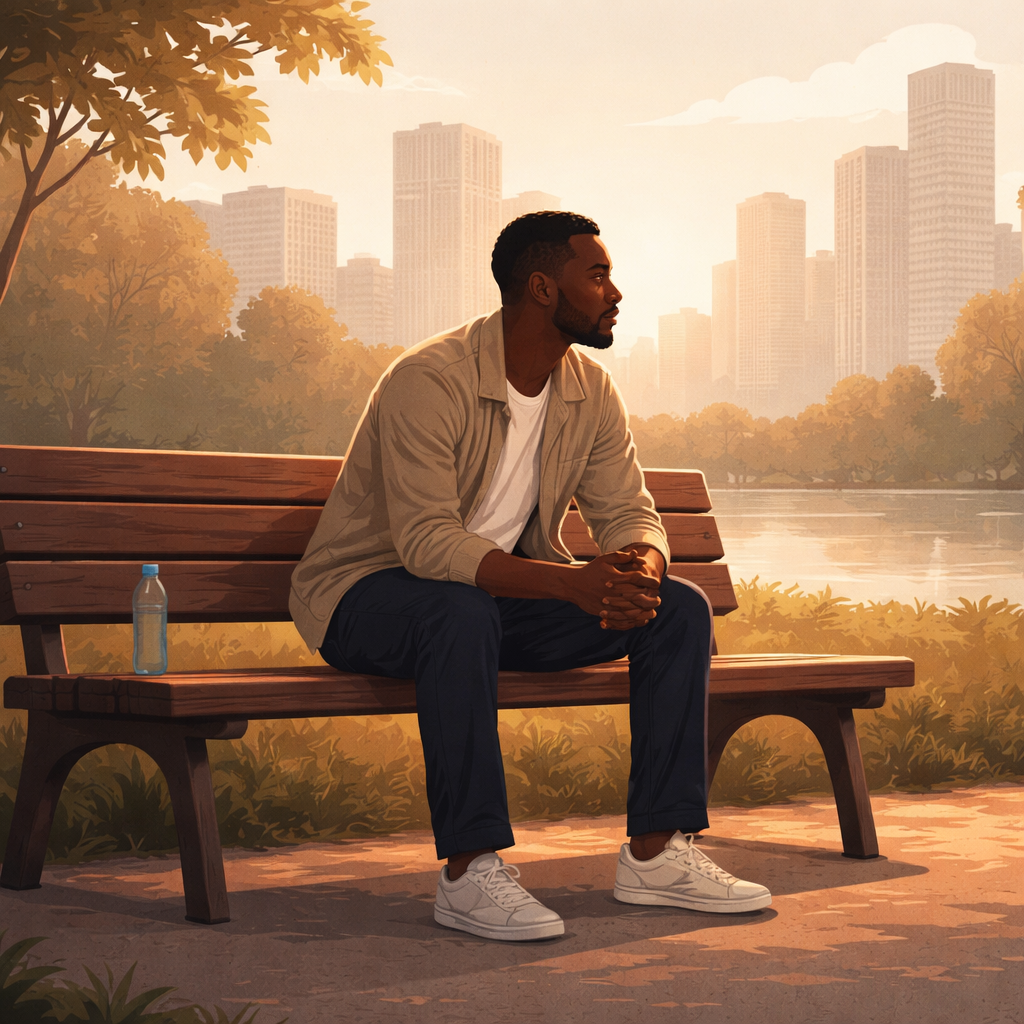
Emotional intelligence doesn’t eliminate emotion. It gives you enough awareness to choose your response rather than being driven by it. The emotions were never the problem. Being human means feeling things. The gap was awareness — the ability to recognize what I was carrying before it shaped how I was showing up.
Growth often starts the moment we stop attributing our emotional state entirely to other people and start taking responsibility for understanding it ourselves. That shift changes everything — how we move through conflict, how we show up in relationships, how we experience ordinary interactions.
The inner work doesn’t finish. It just continues, one moment of awareness at a time.
What does emotional intelligence look like in your everyday life?