
Part of Culture in Motion — examining who defines culture, how it moves, and what it reveals about the moment.
For decades, the Nike Air Force 1 has operated as one of the most stable silhouettes in footwear. It has survived trend cycles, crossed into multiple subcultures, and maintained relevance without needing to fundamentally change. That stability is part of its power — the shoe doesn’t chase context, it absorbs it. Which is exactly what makes the introduction of the Nike SB Air Force 1 Low worth examining closely.
Instead of culture adapting to the shoe, the shoe is now adapting to a specific use case: skateboarding. That shift matters because it reveals something about how icons are preserved in the current moment — not by protecting them from new demands, but by engineering them to meet those demands without losing what made them recognizable in the first place.
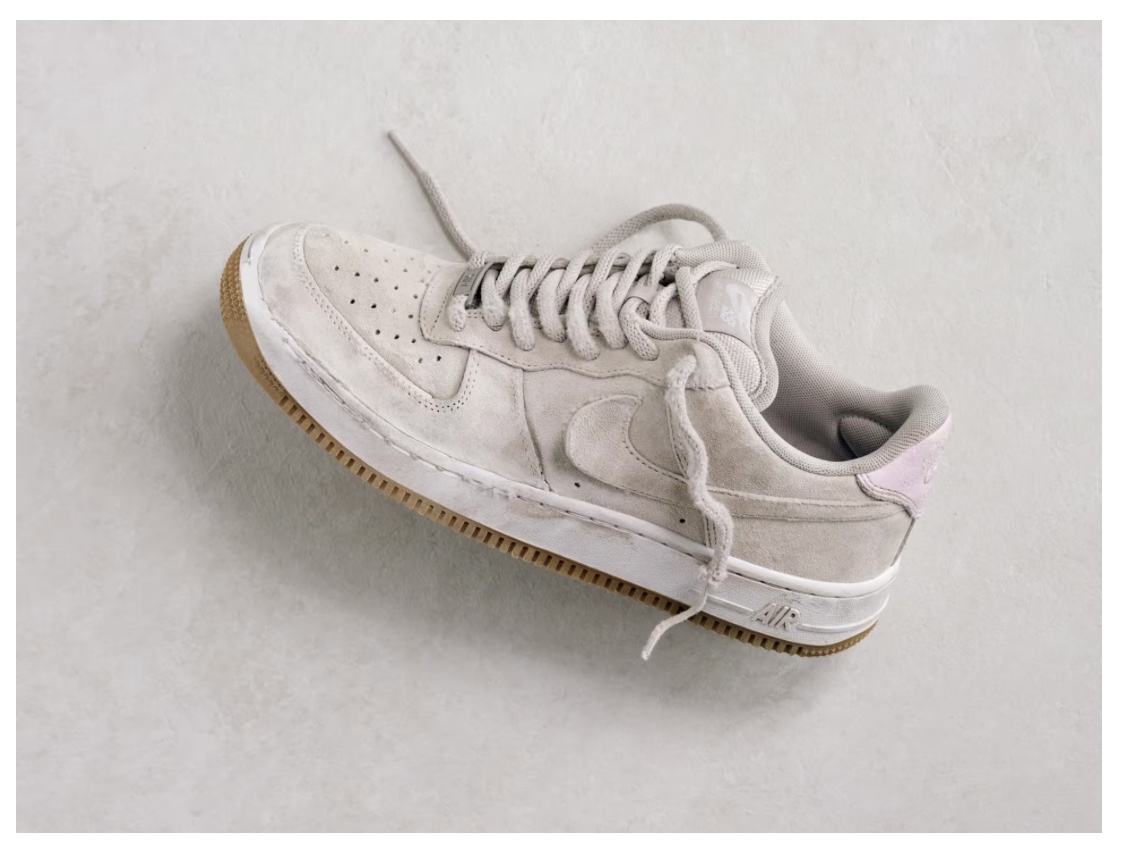
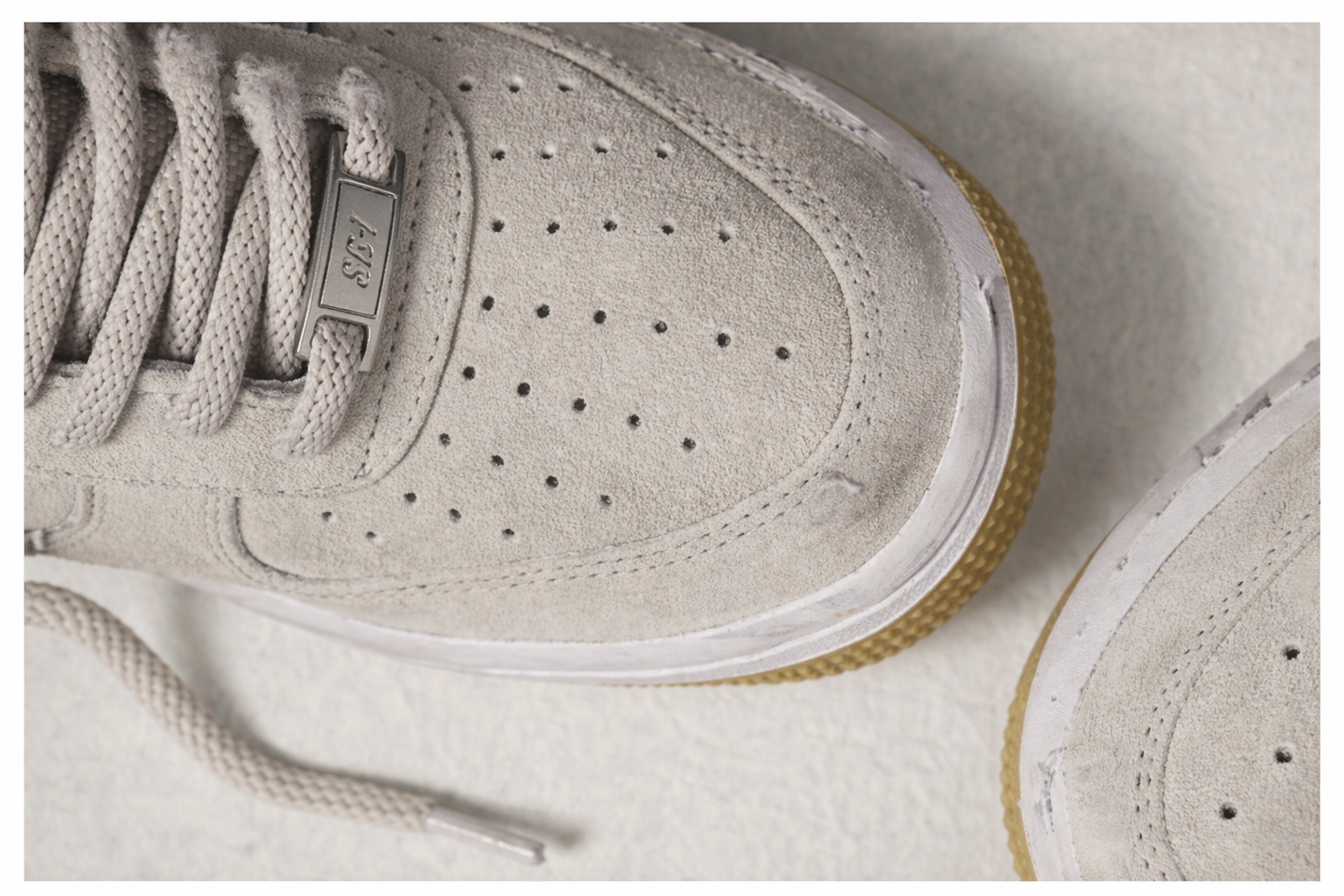
On the surface, the changes are subtle. A padded tongue, internal straps, reinforced stitching, a modified outsole designed for grip and board feel. The silhouette still reads as an Air Force 1. But underneath, the priorities have been re-engineered. Stability becomes responsiveness. Structure becomes flexibility. The shoe is no longer just worn — it’s used. That distinction is not minor. It is the entire argument.
It reflects something broader happening across culture right now. As SSC covered in the Shai Gilgeous-Alexander Converse analysis and the Pharrell Flat Earther piece, legacy products are no longer protected by their history alone. They are being asked to perform in new environments without losing the identity that made them iconic — and that balance is harder than it looks, because every subculture that a silhouette enters comes with its own standards of authenticity. Skateboarding is not casual about this. Durability matters differently. Board feel matters more than comfort. Control is a technical requirement, not a stylistic one. You cannot place a known silhouette into skate culture and expect acceptance through association alone. It has to earn its place through function.
Nike understands that tension. The SB line has long operated as a parallel system — translating existing models into something more specialized — but bringing the Air Force 1 into that system carries more weight than a typical SB release. This is not a niche silhouette being given a functional update. It is one of the most recognizable shoes ever made. Changing it, even slightly, is a statement about what the brand believes the silhouette can absorb — and what it cannot afford to lose in the process.
The design doesn’t announce itself. The Light Orewood Brown colorway is intentionally restrained — soft tones, minimal contrast, nothing that signals disruption. That restraint is strategic. It allows the function to carry the innovation rather than the aesthetic, which is the right call for a release entering a community where overclaiming is a faster path to rejection than any technical shortcoming. The shoe’s credibility has to come from how it performs on a board, not from how loud it looks coming off the shelf.
What emerges is a different kind of evolution — not driven by visibility, but by use. Not louder, but more specific. The Air Force 1 doesn’t need to look new to be new. It just needs to work in a way it didn’t before, in a space it hasn’t occupied before, for a community that will notice immediately if it doesn’t.
Why This Matters
Cultural icons don’t stay relevant by staying the same — they stay relevant by adapting quietly, in ways that respect their history while responding to new demands. Across footwear this season, that pattern is consistent: the Shai 001 built authorship into the design process, the Flat Earther stripped the silhouette down to its philosophical foundation, and the SB Air Force 1 Low re-engineers a classic for a surface it was never built for. Each approach is different. Each is making the same underlying argument — that relevance in the current moment requires more than recognition. It requires a reason to exist in the specific room it’s entering. The SB Air Force 1 Low is making that case through function. Whether skate culture accepts it on those terms is the only verdict that matters.