
BOOK REVIEW | SOCIAL STORYTELLERS COLLECTIVE
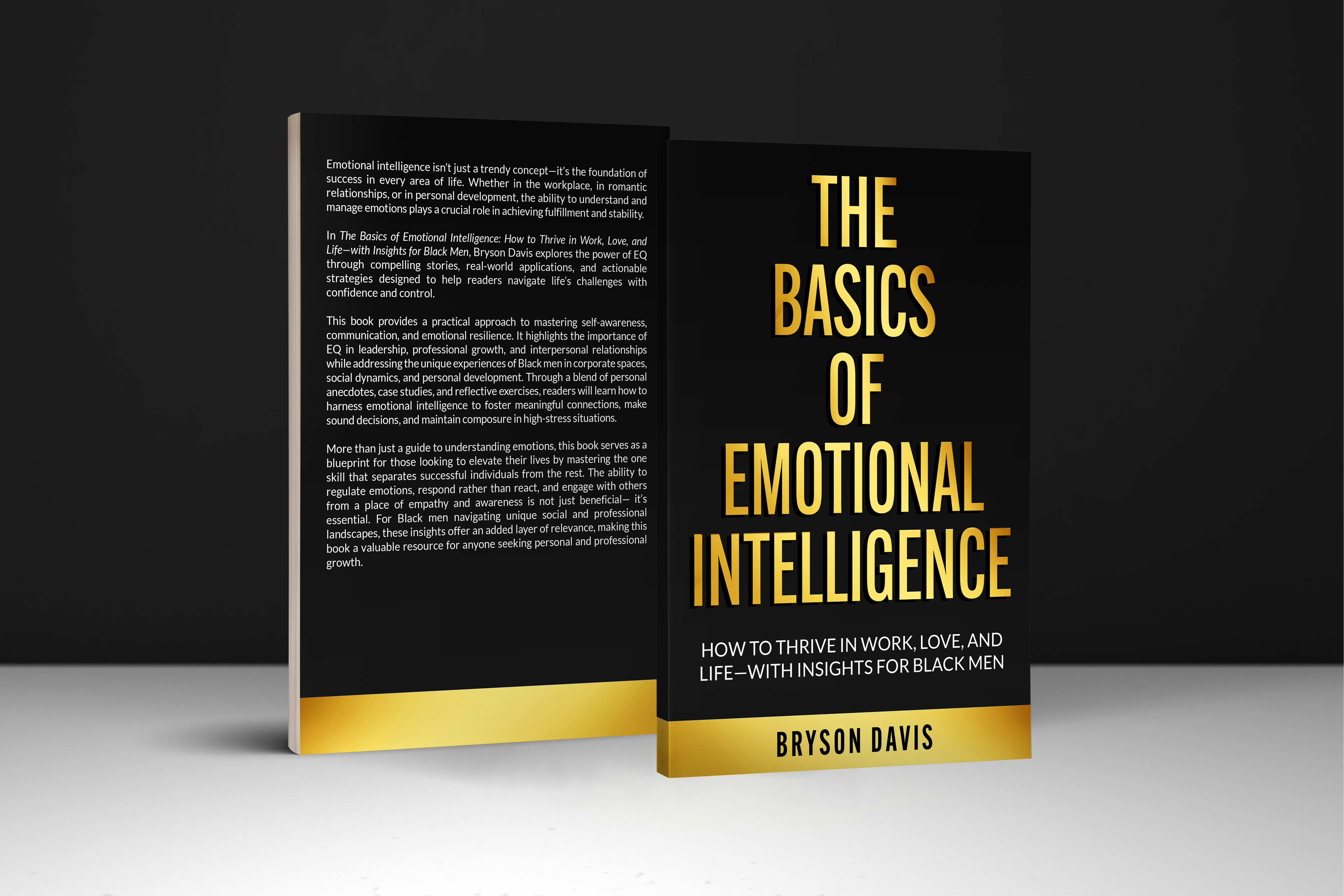
In conversations about masculinity, emotional restraint is often misunderstood. Many people still associate emotional intelligence with softness or passivity. Bryson Davis challenges that idea directly in The Basics of Emotional Intelligence: How to Thrive in Work, Love, and Life—with Insights for Black Men. His central argument is simple but powerful: emotional intelligence is not about suppressing emotions. It is about mastering them.
The distinction matters. Emotions are natural human responses—anger, disappointment, fear, and frustration appear in everyone’s life. The real test of maturity is what happens after those emotions surface. Emotional intelligence requires the ability to pause, assess what you are feeling, and choose a response that reflects discipline rather than impulse. That process demands far more strength than reacting without thought.
Davis writes that many men have been taught the opposite lesson. In many environments, especially among Black men, emotional expression has historically been discouraged. Strength is often defined as silence, endurance, or emotional suppression. But burying emotions rarely produces strength. More often, it produces disconnection—from self, from relationships, and from the opportunity to heal.
Instead, Davis frames emotional intelligence as a form of internal leadership. A man who understands his emotions gains control over how he moves through the world. Self-awareness allows him to recognize the difference between surface reactions and deeper feelings. What looks like anger may actually be hurt. What feels like irritation may be exhaustion. What appears as defensiveness may be fear. The ability to identify those emotional signals before reacting is the foundation of emotional discipline.
This idea appears throughout the book, particularly in Davis’s reflections on self-awareness and self-regulation. He emphasizes that emotional intelligence does not eliminate emotions; it organizes them. Rather than allowing frustration or pride to dictate behavior, emotionally intelligent individuals create space between feeling and action. That space is where better decisions are made.
The book also highlights how emotional intelligence shapes everyday life. In professional environments, individuals with high emotional intelligence tend to lead more effectively because they remain composed under pressure and communicate with clarity. In relationships, emotional awareness strengthens trust and encourages healthier conversations during conflict. On a personal level, it allows individuals to navigate setbacks without allowing temporary emotions to define long-term decisions.
Davis illustrates these principles through real-world examples and cultural references that show how emotional intelligence fuels resilience and reinvention. Stories of figures like Jay-Z, Tyler Perry, and Idris Elba demonstrate how self-awareness, discipline, and adaptability can transform setbacks into opportunity. Their success is not presented as the result of talent alone, but as the product of emotional control, patience, and strategic thinking.
One of the book’s most compelling insights is the idea that a man who masters his emotions is wealthy in ways that extend far beyond financial success. Emotional intelligence strengthens relationships, improves communication, and creates the stability needed to navigate difficult moments without losing direction. It becomes a form of quiet power—one that builds trust, credibility, and personal confidence.
For Black men in particular, Davis emphasizes that developing emotional intelligence can also be a form of personal liberation. When men are encouraged to process emotions rather than suppress them, they gain the ability to break cycles of silence and emotional isolation that have persisted for generations. Therapy, reflection, and honest communication become tools for growth rather than signs of weakness.
What makes The Basics of Emotional Intelligence especially effective is its practical orientation. The book combines personal reflection with exercises designed to help readers develop greater self-awareness and emotional control. Techniques such as journaling, mindfulness, and intentional reflection encourage readers to identify emotional triggers and respond to them with greater clarity. These exercises reinforce Davis’s central point: emotional intelligence is not something people are simply born with. It is a discipline that can be developed over time.
Ultimately, Davis presents emotional intelligence as a lifelong practice. Mastering emotions does not mean eliminating frustration, disappointment, or pain. It means learning to process those experiences in ways that lead to growth rather than reaction. The discipline lies in the pause—the moment when a person chooses wisdom over impulse.
In a culture that often rewards immediate reaction, this message feels both timely and necessary. Emotional self-control is rarely dramatic, but its impact is profound. It shapes how individuals lead, how they love, and how they move through adversity.
As Davis suggests throughout the book, the man who learns to master himself gains something far more valuable than control over others. He gains control over his own direction.
And that, in many ways, may be the most powerful form of strength a person can develop.