
NEWS DESK | SOCIAL STORYTELLERS COLLECTIVE
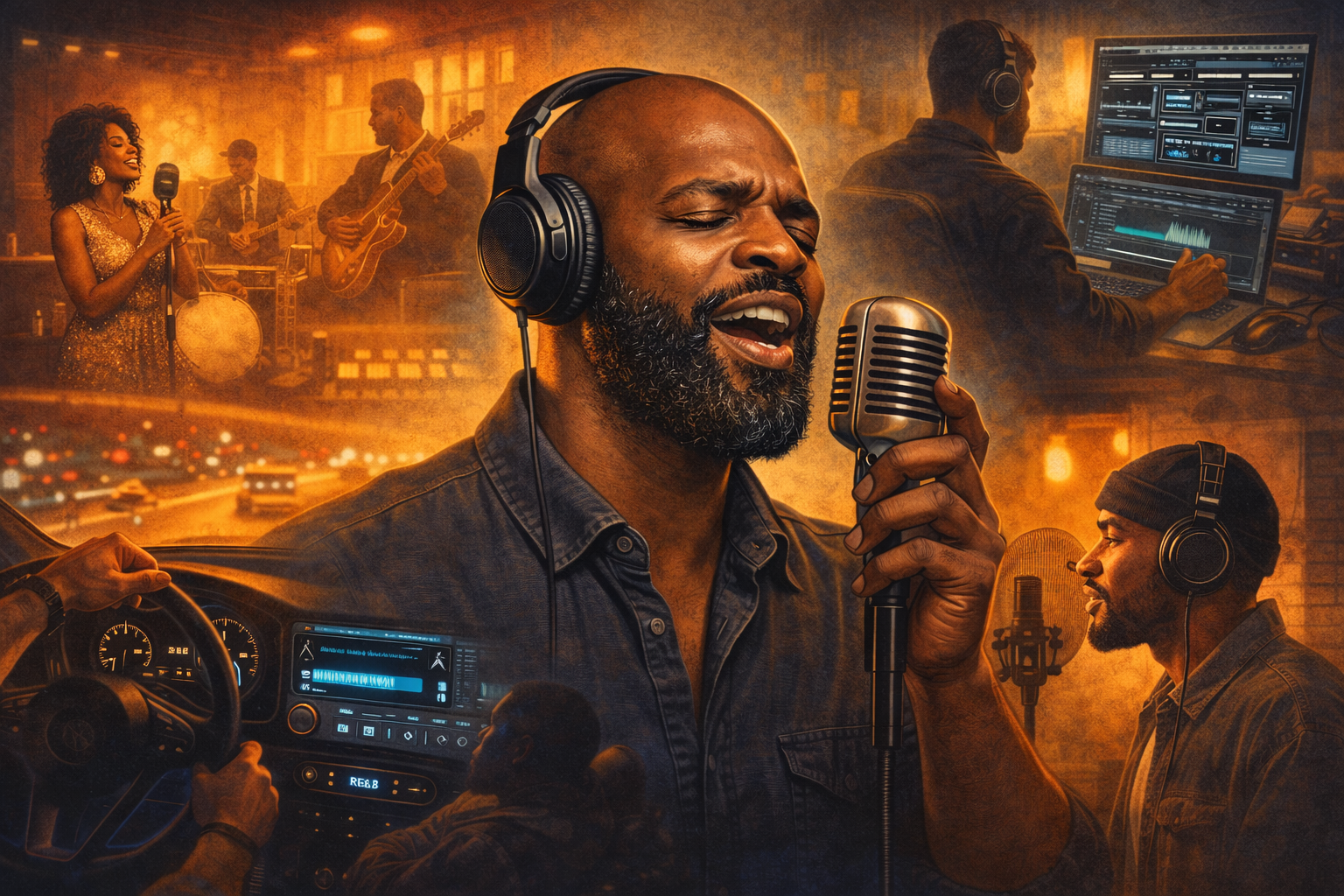
When is the last time you turned on the radio and intentionally searched for an R&B station? Hip-hop dominates much of today’s airwaves, and modern R&B has absorbed its production and cadence in ways that have reshaped the genre entirely. But what happened to those love songs that tugged at something real — the ones that found you when you were falling in love, falling out of it, or trying to hold something together? When is the last time you took a long drive and stayed on an R&B station past the third song?
For decades, R&B was defined by the voice. Artists like Whitney Houston, Anita Baker, Luther Vandross, and Toni Braxton built careers on vocal power and emotional storytelling. Their records created space for singers to fully inhabit a song — the instrumentation supported the emotion rather than overshadowing it, and a powerful voice carried the weight of the record. Listeners could feel every note of heartbreak, longing, or joy because the music centered the human experience above everything else.
Today the genre still exists, but the sound has shifted. Much of contemporary R&B leans heavily on digital production, vocal processing, and atmospheric texture. Technology has made music easier to produce, but it has also moved the focus away from raw vocal performance. The result is a sound that often prioritizes mood over the kind of emotional storytelling that once defined the genre.
That shift helps explain why so many listeners in their forties return to the music they grew up with. It is not simply nostalgia. Truly great music tends to transcend generations. Records like “Sweet Love” or Whitney’s “I Will Always Love You” still resonate decades later because they were built on musicianship and voices strong enough to carry the full emotional weight of the song. That standard doesn’t age.
R&B hasn’t disappeared — it has just moved. Artists like Lucky Daye, Alex Isley, Giveon, and Summer Walker have built audiences by leaning back into melody, vulnerability, and real vocal performance at a time when those qualities had largely gone out of fashion in mainstream production. Beyond them, a growing number of independent artists are quietly keeping the genre alive outside the traditional industry spotlight, producing deeply soulful music that may never receive the recognition it deserves but continues to find the listeners who need it. The sound has evolved, but the appetite for it never left.