
Travelers with upcoming plans to visit Dubai or the UAE should consult the U.S. State Department’s current travel advisory at travel.state.gov before making any decisions. The situation on the ground is evolving rapidly.
With global travel continuing to rebound, Dubai has remained one of the most visible symbols of post-pandemic tourism growth. But recent developments are fundamentally challenging that momentum, introducing a level of uncertainty the market has not seen in years.
The U.S. State Department has issued a Level 3 advisory — “Reconsider Travel” — to the United Arab Emirates, citing the threat of armed conflict and terrorism. On March 2, 2026, the Department ordered non-emergency U.S. government employees and their families to leave the UAE entirely. The warning follows the onset of hostilities between the United States and Iran beginning February 28, triggered by the assassination of Iranian Supreme Leader Ayatollah Ali Khamenei. Iran has since fired more than 1,800 missiles and drones at the UAE — more than any other country targeted by Tehran in the conflict — with civilian infrastructure including airports, ports, and landmarks among those struck.
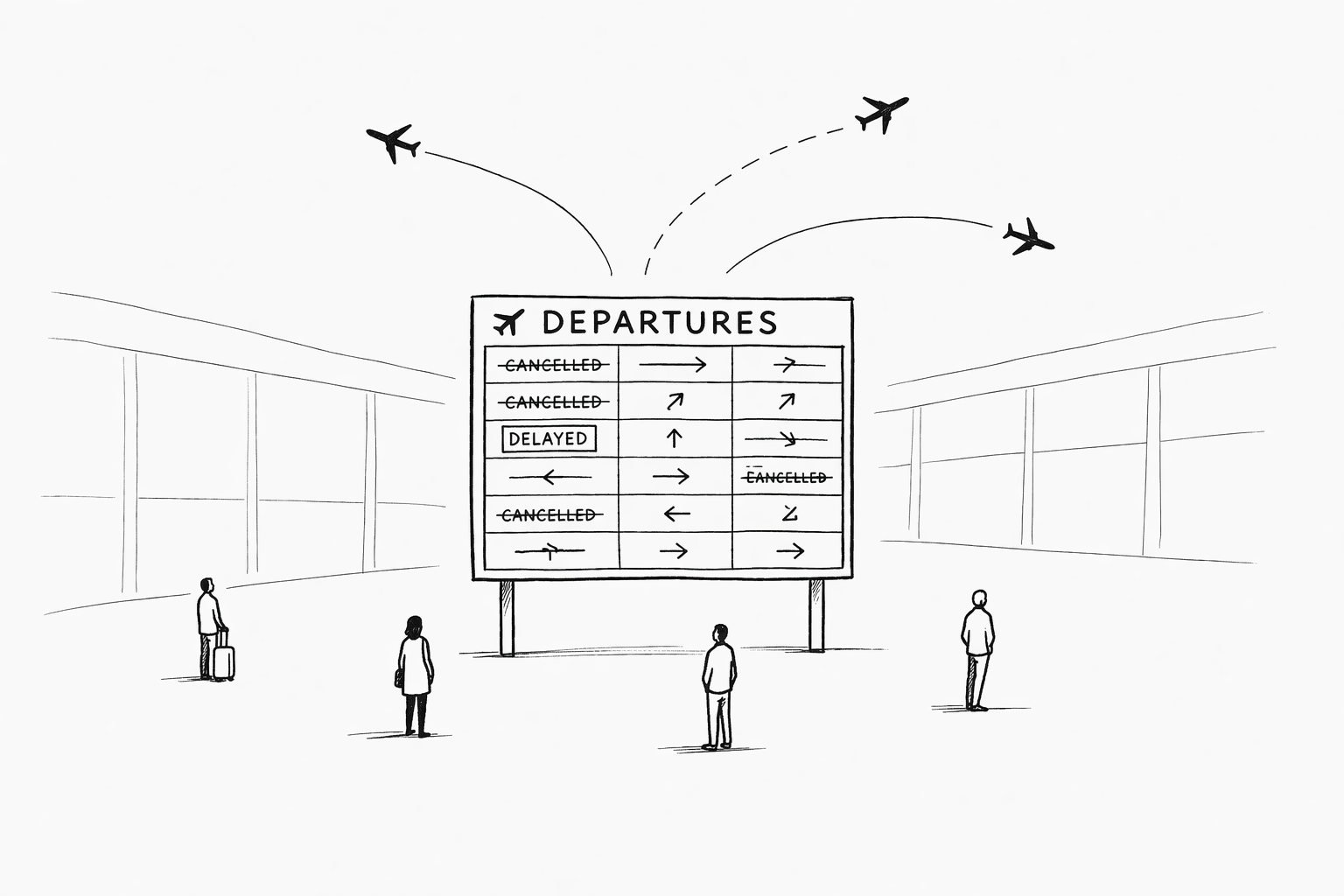
The risk is no longer theoretical. Confirmed strikes have hit the Fairmont The Palm Hotel and the Burj Al Arab, with the Fairmont sustaining a direct drone hit that caused a large explosion, fire, and four injuries. On March 16, a drone strike ignited a fuel storage tank near Dubai International Airport, forcing authorities to suspend all arrivals and departures — disrupting more than 300 passenger and cargo movements at the world’s busiest international hub. The airport resumed a limited flight schedule after the fire was contained, though British Airways extended a temporary reduction to its Middle East schedule, affecting flights across the region including Dubai.
Even as operations partially resume, the broader travel environment remains deeply unstable. The European Union Aviation Safety Agency has advised all operators not to fly over UAE airspace due to risk from missiles, air defense systems, and military activity. Insurance and travel policy analysts have flagged the UAE as an elevated-risk conflict zone, which is already affecting coverage terms and rebooking policies for travelers with upcoming plans. Dubai’s streets, malls, and beaches are significantly quieter than normal.
The economic implications are immediate and significant. Dubai’s position as a global transit hub depends on predictability — and that predictability has been severely disrupted. Multi-city itineraries that formerly used Dubai as a primary Middle East connector may now face higher rerouting costs or be shifted toward alternative hubs in Europe or Asia altogether. The gap between Dubai’s official positioning as a safe, open destination and the lived reality of ordered departures and confirmed civilian strikes reflects a broader challenge facing global tourism: confidence can erode faster than infrastructure can adapt.
This moment also connects to a deeper shift in consumer behavior. As explored in What Doesn’t Make It Into the Cart, spending decisions are becoming more selective across categories — and travel, once treated as an assumed expense, is increasingly subject to the same scrutiny. When cost, risk, and perceived value all factor into whether a trip happens at all, a destination experiencing active conflict faces compounding headwinds.
Dubai is unlikely to lose its global status overnight. But the current moment signals clearly that even the most established destinations are not immune to external shocks. In an environment where risk, cost, and perception are increasingly intertwined, the economics of travel are becoming less predictable — and more dependent on forces beyond any single city’s control.