
Let’s be clear about what happened in that Dallas studio on January 10. According to the Department of Justice, Pooh Shiesty lured Gucci Mane and two other music industry professionals to a meeting, stormed the room with eight co-conspirators, pulled an AK-style pistol, and forced the signing of a contract release at gunpoint. Others in the room were choked, robbed, and at one point believed they were going to be killed. That is kidnapping. That is armed robbery. That is a federal crime that carries the possibility of life in prison. There is no framing that makes it acceptable.
And yet.
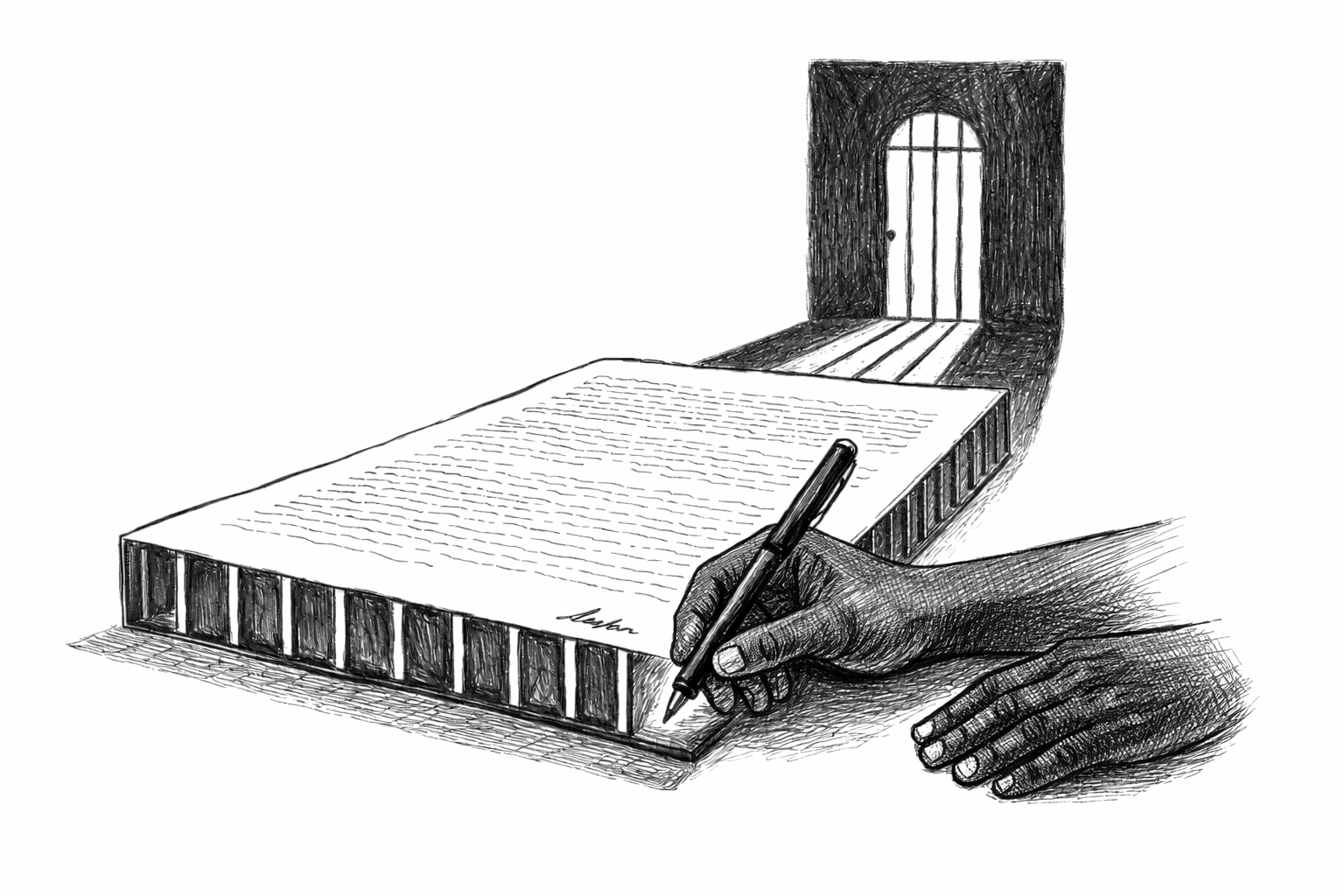
The music industry has spent decades perfecting its own version of a hostage situation — one that doesn’t require a weapon because the paperwork does the work instead. Young Black artists, many of them teenagers, sign recording contracts they don’t fully understand, with lawyers they didn’t choose, locking themselves into arrangements that extract the majority of value from their labor while leaving them with debt, restricted creative control, and no clear path to exit. The label calls it a deal. The artist calls it a way out of where they came from. By the time they understand what they signed, they’re already in the room with the door blocked.
Pooh Shiesty signed to Gucci Mane’s 1017 Records as a rising artist out of Memphis. He was talented enough to generate attention and revenue. Whether or not his contract was exploitative in the legal sense, the broader context is not ambiguous. The music industry — particularly the ecosystem surrounding independent labels and major distribution deals — has a well-documented history of signing young Black artists to agreements that prioritize the label’s interests over the artist’s long-term viability. Publishing rights stripped. Advances that function as debt. Clauses that bind artists to labels for years beyond their original terms.
When artists have tried to exit through legitimate channels, they have faced litigation, public smears, and financial ruin. The legal system that is supposed to mediate those disputes has rarely been a friend to the artist without resources. For many, the exit doesn’t exist — not a real one.
None of that justifies what happened in Dallas. Gucci Mane did not create the music industry’s exploitation framework alone. The people in that studio who were choked and robbed were not abstractions — they were human beings who feared for their lives. Pooh Shiesty’s father helped plan the operation. Big30 blocked the door. This was not an act of desperation. It was organized, premeditated, and violent. The law applies regardless of the grievance. And Black communities cannot afford to romanticize armed criminality as resistance, even when the system that produced the grievance is real.
But here is what this moment demands we sit with. A young Black artist felt so trapped inside a legal contract that violence appeared to be the only exit. That feeling — however catastrophically acted upon — did not come from nowhere. It came from an industry that built its infrastructure on the assumption that artists from certain zip codes wouldn’t know how to get out, wouldn’t have the resources to fight back, and wouldn’t be believed if they tried. The contract was designed to hold. The question the industry will not ask itself is whether that design is its own form of coercion.
What Pooh Shiesty did was wrong. What the industry does routinely is also wrong. Both of those things can be true. And until the second one is treated with the same urgency as the first, we will keep producing moments like this one — where desperation meets a system that left no legitimate door open, and someone makes a decision that destroys whatever future they had left.
Why It Matters When young Black artists sign away their futures in exchange for access, and the legal system offers no meaningful relief, the conditions for crisis are already in place. Condemning the violence without examining the infrastructure that produced it is how the industry escapes accountability — every single time.