
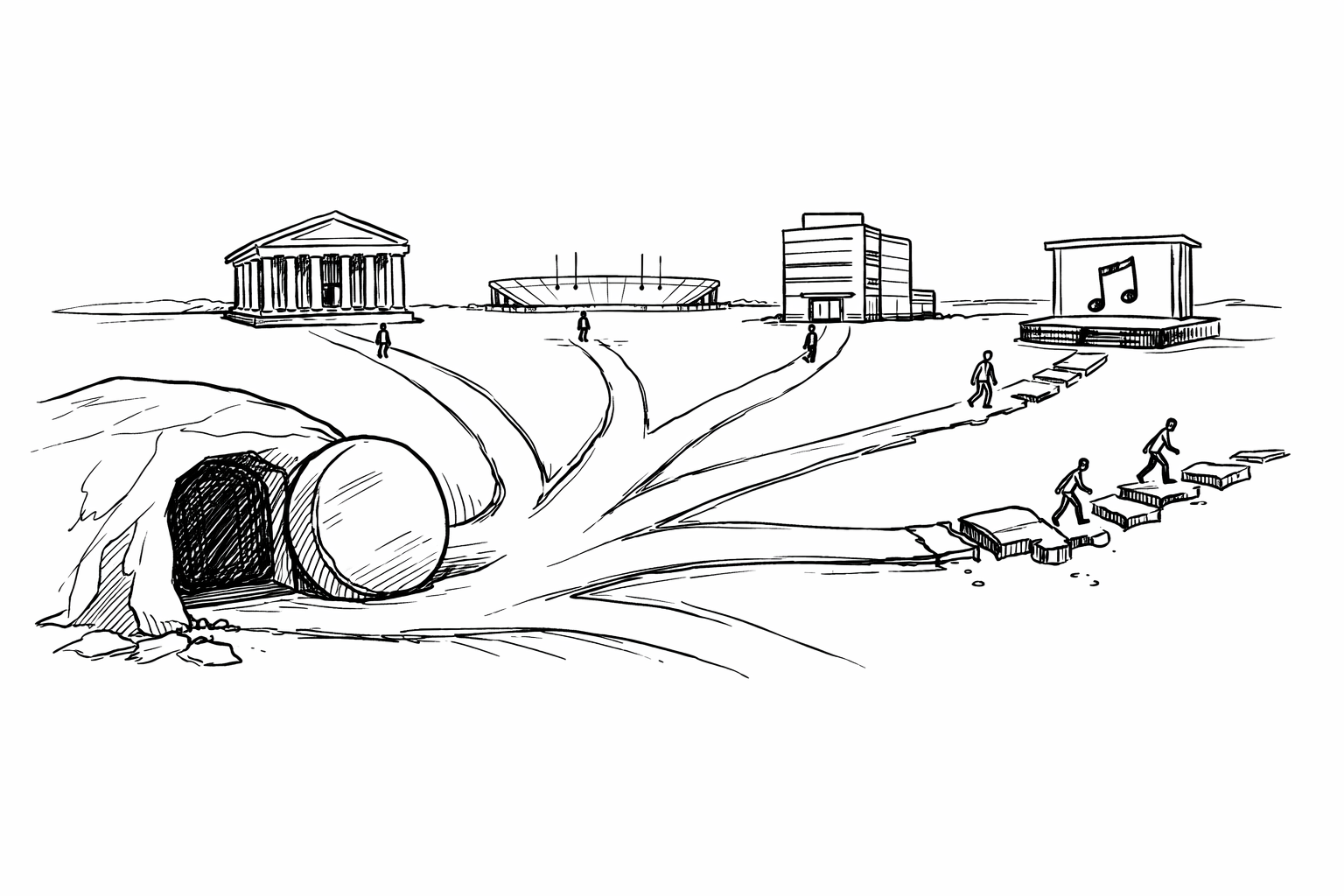
Spotify’s annual Loud & Clear report dropped in March with numbers that were designed to inspire confidence. In 2025, the platform paid the music industry more than $11 billion — its highest payout ever — with independent artists and labels accounting for roughly half of all royalties. More than 13,800 artists generated at least $100,000 from Spotify alone, nearly double the number reaching that milestone a decade ago. The headline writes itself: streaming is working. The system is opening up. The path to a sustainable career has never been wider.
What the headline doesn’t say is who is standing on that path — and who is still being routed around it.
The streaming economy rewards infrastructure. It rewards artists who own their masters, who have distribution deals that protect their royalty splits, who have metadata management systems that ensure their songs get credited and paid accurately across every platform. It rewards artists with promotional budgets that can push songs into editorial playlists, with teams that understand the algorithm well enough to work it, and with label relationships that prioritize their releases over the thousands of other tracks competing for the same playlist slots. If a label is a major record company, the artist’s split on streaming royalties can range from 13% to over 20%. For indie labels, the split can be as high as 50%. Independent artists using flat-fee distributors keep the largest share of all. The gap between those numbers is not a minor accounting difference. Over a career, it is the difference between owning your catalog and watching someone else profit from it.
Black independent artists — particularly in R&B, neo-soul, and the space that SSC covered in What Happened to R&B Music and the Ari Lennox and Jill Scott analysis — are producing some of the most emotionally resonant, culturally specific, and critically regarded music in the streaming era. They are also, systematically, producing it under contract structures that were not designed for them, distributing it through platforms whose algorithms were not calibrated for their audiences, and doing it in a marketplace where the infrastructure advantages flow to the artists who already have them.
The algorithm is not neutral. Spotify’s Fresh Finds playlist — the editorial ecosystem the platform uses to surface emerging indie artists — has documented inclusion. More than one in ten artists generating over $100,000 annually on Spotify today were first featured in the Fresh Finds ecosystem. But Fresh Finds skews toward specific sounds, specific aesthetics, and specific tastemaker networks. R&B and soul — genres with deep Black cultural roots, historically strong catalog value, and audiences that stream with intensity and loyalty — have never been the primary beneficiaries of algorithmic discovery infrastructure. The artists in those genres who break through tend to do so despite the platform’s architecture, not because of it.
There is also the question of what gets counted as independent. Spotify’s Loud & Clear definition of “independent” includes artists distributed through major-affiliated indie labels and sub-labels — arrangements that offer more favorable splits than traditional major deals but still involve rights ownership structures that keep masters out of artists’ hands. A Black R&B artist releasing through a major-affiliated distribution deal may show up in the independent category while still operating under contractual terms that limit her long-term ownership and flexibility. The category is broader than it appears. So is the gap.
SSC covered the predatory contracting piece earlier this cycle — the ways in which music industry contract structures extract value from artists at the point of signing, when they have the least leverage and the most urgency. The streaming economy did not fix that problem. In some ways it intensified it: the volume of music available on platforms has made the difference between visibility and obscurity even more dependent on upfront investment, marketing infrastructure, and label relationships — precisely the leverage points where independent Black artists are most exposed.
The $11 billion payout is real. The progress it represents is real. And the share of that progress that flows to Black independent artists working in R&B, soul, and the cultural spaces SSC covers is still, by every available measure, smaller than the contribution those artists make to the culture that makes the platform worth paying for in the first place.
Why This Matters
Streaming did not level the music industry. It redistributed its hierarchies. The artists at the top of the new system are still, largely, the artists who had infrastructure advantages before streaming existed — or who built them quickly enough to capitalize on the platform shift. Black independent artists in R&B and soul are generating culture that drives engagement, builds audiences, and sustains the emotional ecosystem that keeps people subscribed. The $11 billion tells you how much the platform made. It does not tell you how much of that came from Black culture — or how little of it returned there.