
For decades, rap beef operated as a kind of cultural engine. It created moments, sharpened artistry, and — crucially — reset. Audiences could engage, debate, and move on. Careers weren’t permanently defined by a single exchange, and the culture maintained a level of fluidity that allowed artists to evolve beyond conflict. What’s changed is not the existence of competition, but the conditions under which it plays out. The environment surrounding the music has become more rigid, more reactive, and less forgiving.
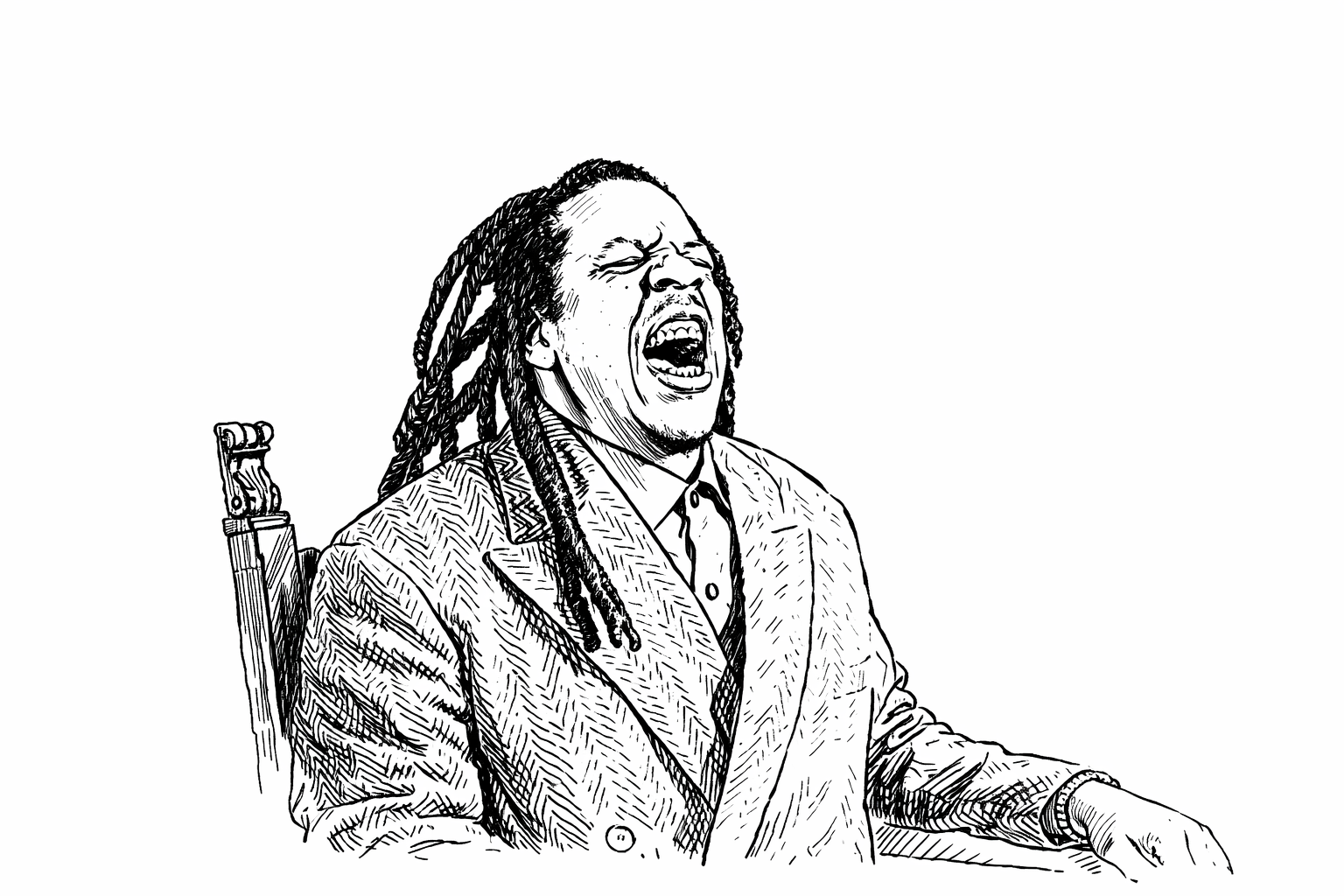
In a recent GQ interview, Jay-Z described modern conflict as feeling “final” — and what he’s naming isn’t lyrical dominance, but narrative permanence. In a fragmented media ecosystem, fans are no longer casual participants — they are aligned constituencies. Supporting an artist increasingly looks like rejecting another, and once that alignment is established, it is continuously reinforced through algorithmic exposure. Listeners are not just hearing more of what they like; they are hearing less of anything that might complicate that preference. Over time, that creates hardened positions where there used to be movement.
When Drake and Kendrick Lamar entered their latest conflict, the expectation wasn’t just that someone would win. It was that the outcome would stick, shaping perception long after the music itself stopped circulating. Platform behavior has shifted to match — feeds are now optimized for engagement over breadth, which means division is the feature, not the bug. What once functioned as a competitive ritual — diss, response, escalation, and eventual fade — now behaves more like a permanent fracture.
That shift doesn’t just live at the level of conversation — it changes how the music is experienced. In this cycle, many listeners didn’t feel like observers; they felt pulled into choosing a side. And once that choice was made, it began to reshape perception. The opposing artist is no longer just competition; they become something closer to a contradiction. Songs that once played neutrally start to land differently, filtered through allegiance. You don’t just debate the other side — you hear them differently, sometimes even resist the music altogether. The conflict doesn’t end with the records; it follows the listener back into how they engage with the catalog.
The structure of distribution has amplified this further. Conflict now travels faster than the music itself, often reduced to short clips, screenshots, and commentary that strip away context in favor of immediacy. A bar becomes a headline, a moment becomes a verdict, and the space between release and reaction collapses. In that environment, there is little room for reinterpretation or recovery. The narrative forms quickly and, more importantly, stays in place.
That permanence changes the risk calculus for artists. The upside of engaging in conflict — attention, visibility, cultural relevance — remains high, but the downside has expanded considerably. Reputation is no longer shaped over time; it can be locked in within a single cycle. Audience segmentation becomes more pronounced, and crossover becomes more difficult. What was once a strategic move within a broader career can now function as a defining event.
Hip-hop has always relied on tension and competition as creative fuel. But the systems now surrounding it reward resolution less than they reward continuation. If conflict no longer resets — if it only hardens — then the question is no longer who wins the next battle. It is whether the culture can sustain a model where every confrontation carries the weight of permanence.
The Access Shift
The gradual redefinition of who systems are designed to serve.
Across sectors—from public infrastructure to healthcare to everyday spaces—access is no longer assumed. As costs rise and systems face increasing pressure, services once built for broad reach are becoming more selective, more conditional, and less universal. The Access Shift explores how these changes are unfolding in real time—and what they reveal about who is included, who is left out, and how the structure of everyday life is quietly being reshaped.