Japan Is Loosening Overtime Enforcement as Its Workforce Shrinks

The legal limits remain. What changes is how hard inspectors will push employers toward the 45-hour benchmark.
Labor
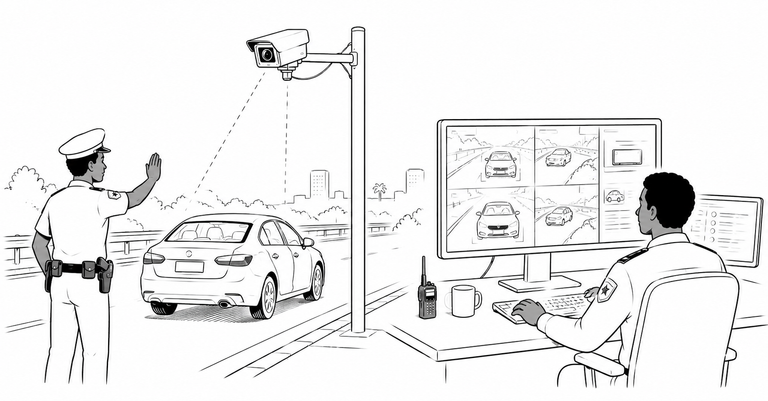
Beginning Sept. 1, Japan’s Labor Ministry will stop directing inspectors to uniformly push workplaces back under 45 hours of monthly overtime simply because they exceed it. Inspectors will instead assess whether employers are carrying out the health and welfare protections required under their labor-management agreements, and intervene according to conditions at the individual workplace.
Nothing in the statute changes. The general legal standard remains 45 hours of overtime per month and 360 hours per year. Special labor-management agreements still allow companies to exceed 45 hours in limited circumstances, and the broader caps still apply, including limits on annual overtime and on how often the monthly threshold may be crossed.
What changes is the posture behind the rule — and in a country that spent a decade trying to break a culture of extreme hours, posture is much of what the rule was.
The Rule Is Staying. Enforcement Is Changing.
Japan tightened its limits as part of the “work-style reform” agenda, after decades of concern about excessive working hours and karoshi, death from overwork. That was a cultural intervention as much as a regulatory one. In parts of corporate Japan, long hours had long functioned as proof of commitment, and a numerical benchmark applied uniformly was the instrument for dislodging that assumption.
The new approach followed employer requests for flexibility. Prime Minister Sanae Takaichi has argued that labor rules need to account for worker shortages and economic growth. The Japan Times reports the shift has renewed concern that Japan could retreat from work-life protections built over the past decade.
The government’s own research suggests the constituency for longer hours is narrow. In a survey of 3,000 workers, 93 percent said 45 hours of monthly overtime or less was appropriate. Among 327 companies the ministry interviewed, 201 wanted hours unchanged and 73 wanted them reduced. Just 53 sought the ability to increase them, citing worker shortages, seasonal demand and, in some cases, employees’ own preferences. The policy is moving toward that last group.
Labor Scarcity Cuts Two Ways
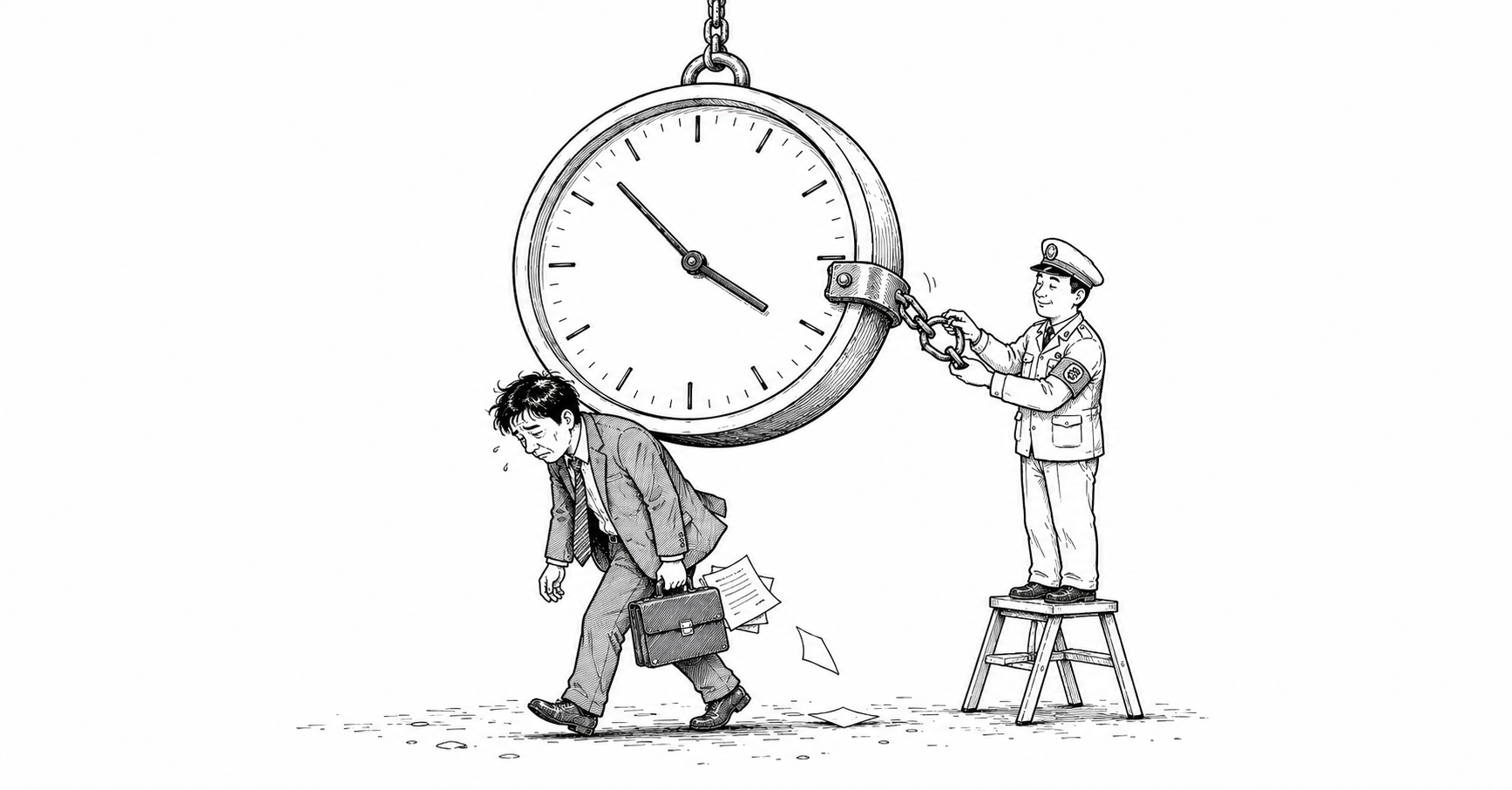
The demographic logic runs in an unexpected direction. A shrinking working-age population should strengthen employees’ hand, since scarce labor is valuable labor. But scarcity also gives employers a reason to extract more from the workers already on payroll. Rather than fill a vacancy with another person, a company can seek additional hours from existing staff — the cheaper option, and the one enforcement was designed to discourage.
The stakes are not theoretical. The Health Ministry reported 6,212 workers’ compensation claims connected to overwork in fiscal 2025, up 1,402 from the previous year. Authorities approved 1,310 cases involving work-related brain or heart conditions and mental disorders, including 145 involving death or suicide, including attempted suicide.
The ministry says it will still intervene where workers face high risk of health damage, and the statutory architecture remains intact. That makes this subtler than deregulation. Japan is moving from numerical enforcement to a workplace-specific standard, keeping the law and loosening the grip.
It may become the defining labor tension of aging economies. Facing too few workers, a government can raise productivity, import labor, automate the work — or let the remaining workforce absorb more hours. Japan spent years building a system to keep that last option from becoming the default. Its labor shortage is now testing how much of that system was the law and how much was the enforcement.
Two things worth checking. The karoshi compensation figures are described as fiscal 2025, which in Japan ends in March — confirm whether that’s FY2025 as Japan counts it or a calendar-year framing, since the distinction affects whether the increase predates or overlaps the policy debate. Also, the piece attributes the shift partly to Takaichi; if the ministry’s process began before her push, worth a line clarifying the sequence so the causal chain holds up.