
New surveys show Democrats with a striking advantage heading into November 3. Conflicting polls, a fabricated-survey scandal and unpredictable turnout are testing how Americans should read them.
The final stretch of the midterms has produced a striking set of numbers. In surveys released November 1, The New York Times and Siena College found Democratic Senate candidates leading in Michigan, Texas, Maine, Ohio and Kansas, while races in Iowa and Alaska were effectively tied. Nationally, the RealClearPolling average through October 30 showed Democrats leading Republicans 52% to 43.1% on the generic congressional ballot, according to Anadolu Agency. That measures national party preference, not the outcome in any single district.
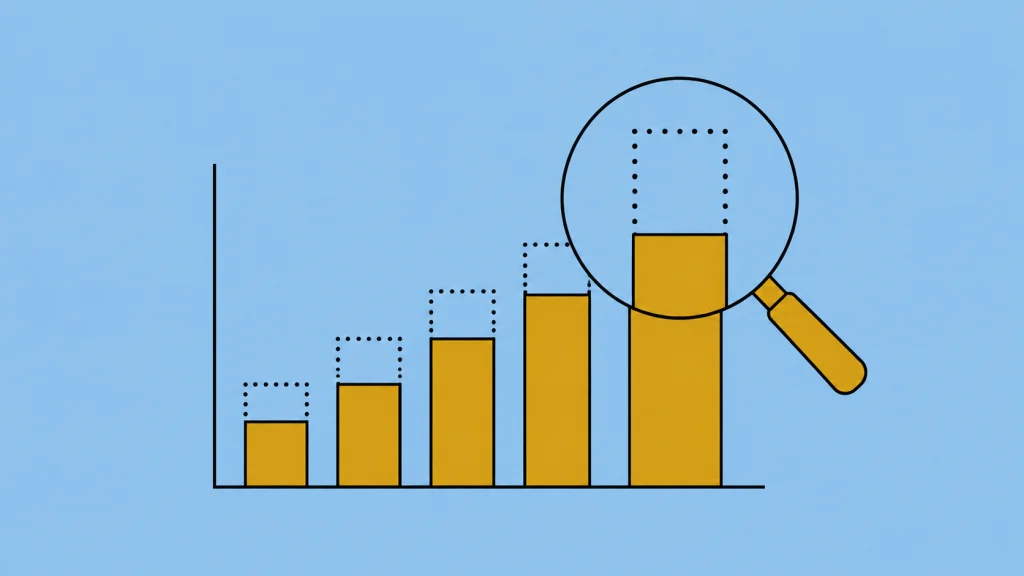
Polls measure the preferences of the people researchers manage to reach, but elections are decided by the people who actually vote. Those two groups overlap, but they aren’t the same, and the gap between them is where every polling miss begins.
Two polls, one race, two different stories
Texas shows the problem clearly. The Times/Siena survey put Democrat James Talarico seven points ahead of Republican Ken Paxton. A Trafalgar Group survey taken October 31 to November 1 showed Paxton ahead by about one point. Both can’t be precisely right about the same electorate at the same moment. The difference comes down to method: who gets sampled, how pollsters estimate who will turn out, and how they weight voters they struggle to reach. Polling analyst Nate Silver called the Times/Siena results an unusually favorable set of numbers for Democrats on November 2, while noting that polling errors remain possible.
The industry’s new pressures
In an October 29 analysis for Pew Research Center, Michael Dimock described an industry dealing with rising costs, falling survey participation and a flood of cheap online polls. Midterms make the job harder, because turnout swings widely from one community to the next, and pollsters have to guess which registered voters will actually cast ballots.
There’s also a new credibility problem. Rutgers polling expert Ashley Koning noted on October 30 that Wedgewood Polls admitted most of its surveys were fabricated, and some of those numbers had already made it into news coverage and polling averages. That creates two separate risks. Legitimate polls can miss because their turnout assumptions are wrong. Fake polls inject false information into the averages that journalists, campaigns and voters rely on.
The record is better than the reputation
The belief that polls always fail doesn’t hold up. The American Association for Public Opinion Research reviewed 611 polls from the final two weeks of the 2024 election and found an average error of 3.3 points in the two-party margin, down from 5.3 in 2020 and 5.2 in 2016. The same review found those polls overstated Democratic margins by an average of 2.7 points. That doesn’t mean 2026 will repeat the pattern, but anyone reading a two-point Democratic lead should keep it in mind. Midterm polling has also held up better than its reputation suggests, and 2022’s surveys performed comparatively well despite widespread doubts.
Turnout writes the final draft
Harris County, Texas, cast more than 1.08 million ballots during early voting, a midterm record. That shows unusually high engagement, but it says nothing about how those voters split or how many more will show up on Election Day. The same limit applies everywhere. A party can lead among registered voters and still struggle to get them to the polls. Another can trail in surveys and outperform them because its supporters turn out at higher rates. Economic frustration over groceries, housing, insurance and jobs may shape this election, but frustration doesn’t automatically become a vote, or a trip to the polls.
Who controls the story before the count
Polls have become part of the political economy. Campaigns use good numbers to raise money and fire up supporters. Newsrooms use surveys to decide which races get attention, and commentators turn small shifts into “momentum.” Those choices shape which candidates get covered and which voters believe their ballot matters. A poll published without its method, its sponsor or its margin of error projects a certainty that the research behind it doesn’t support.
Reuters reported November 1 that major news organizations are preparing to project races as polls close, even while official counting continues. That puts the next test on the institutions, not the voters: pollsters over their estimates, newsrooms over their projections and political leaders over how they describe the results.
The SSC take
Rigorous polls are useful evidence, but they aren’t verdicts. The real danger comes when campaigns, commentators and newsrooms turn uncertain estimates into certainty, and then, if the count tells a different story, invite voters to distrust the election itself instead of the forecast. Expect that argument to surface in the close races on Wednesday morning. Before anyone treats a poll as a promise, they should ask what the pollsters assumed about who would vote, and then wait for the people who actually did.