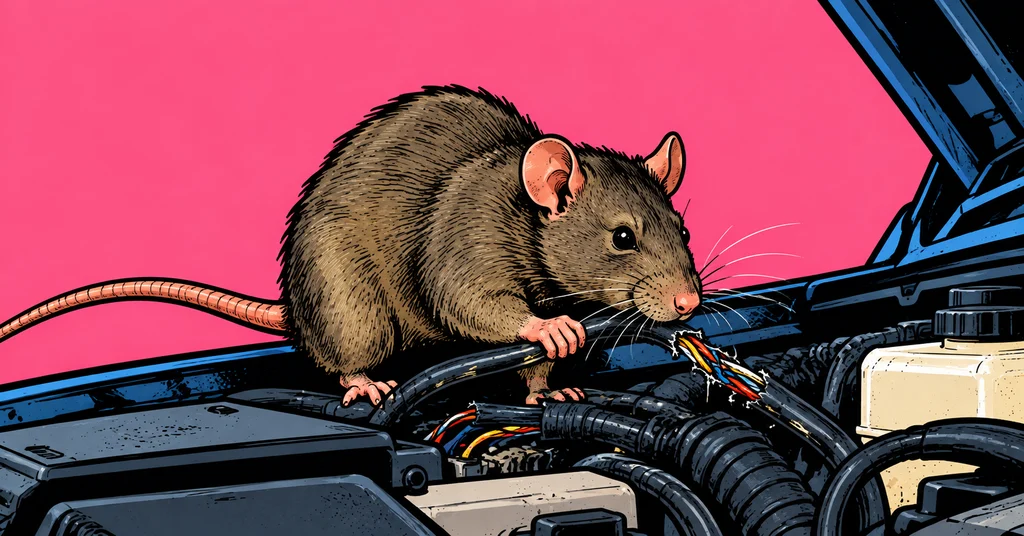
With more than 6,000 rodent complaints this year, residents are facing property damage and repair bills as pressure grows for a coordinated city response.
Boston’s rat problem is increasingly costing residents money, with rodents damaging vehicle wiring and leaving some owners facing thousands of dollars in repairs. According to Griffin Gonzalez’s October 28 reporting for NBC10 Boston, city officials have received more than 6,000 rodent complaints this year, while residents in several neighborhoods report damage to parked vehicles. Back Bay resident Ali Foley described multiple affected cars in her neighborhood, including one that reportedly required approximately $6,000 in repairs. Boston City Councilor Ed Flynn said the infestation has become a public health and quality-of-life concern extending across the city. Residents are now calling for stronger leadership, including the possibility of appointing a dedicated official to coordinate the response. Boston’s Inspectional Services Department has documented rodent droppings and health violations, while residents continue reporting infestations through the city’s 311 system. The complaints illustrate how an urban sanitation problem can extend beyond public spaces and create direct financial consequences for people who live and work nearby.
Rodent control depends on more than exterminating animals after residents report seeing them. Waste storage, building maintenance, food disposal and enforcement of sanitation requirements all influence whether rats have reliable access to food and shelter. Those responsibilities are distributed among property owners, businesses, residents and city agencies, making sustained control difficult when efforts are fragmented. The financial consequences are less evenly distributed. A damaged vehicle may leave its owner responsible for repair costs, insurance deductibles and alternative transportation, even when the infestation originates from conditions outside that person’s control. Residents without sufficient savings may face a particularly difficult choice between paying for repairs and maintaining reliable transportation to work. Appointing a citywide coordinator could clarify responsibility, but the reporting does not establish that creating a new position would itself reduce infestations. Effective oversight would require measurable progress in sanitation enforcement, coordinated inspections and the resolution of recurring complaints. If Boston continues responding primarily after infestations produce damage, residents will remain exposed to expenses that earlier sanitation enforcement and coordinated prevention might have reduced.