
Part of Culture in Motion — examining who defines culture, how it moves, and what it reveals about the moment.
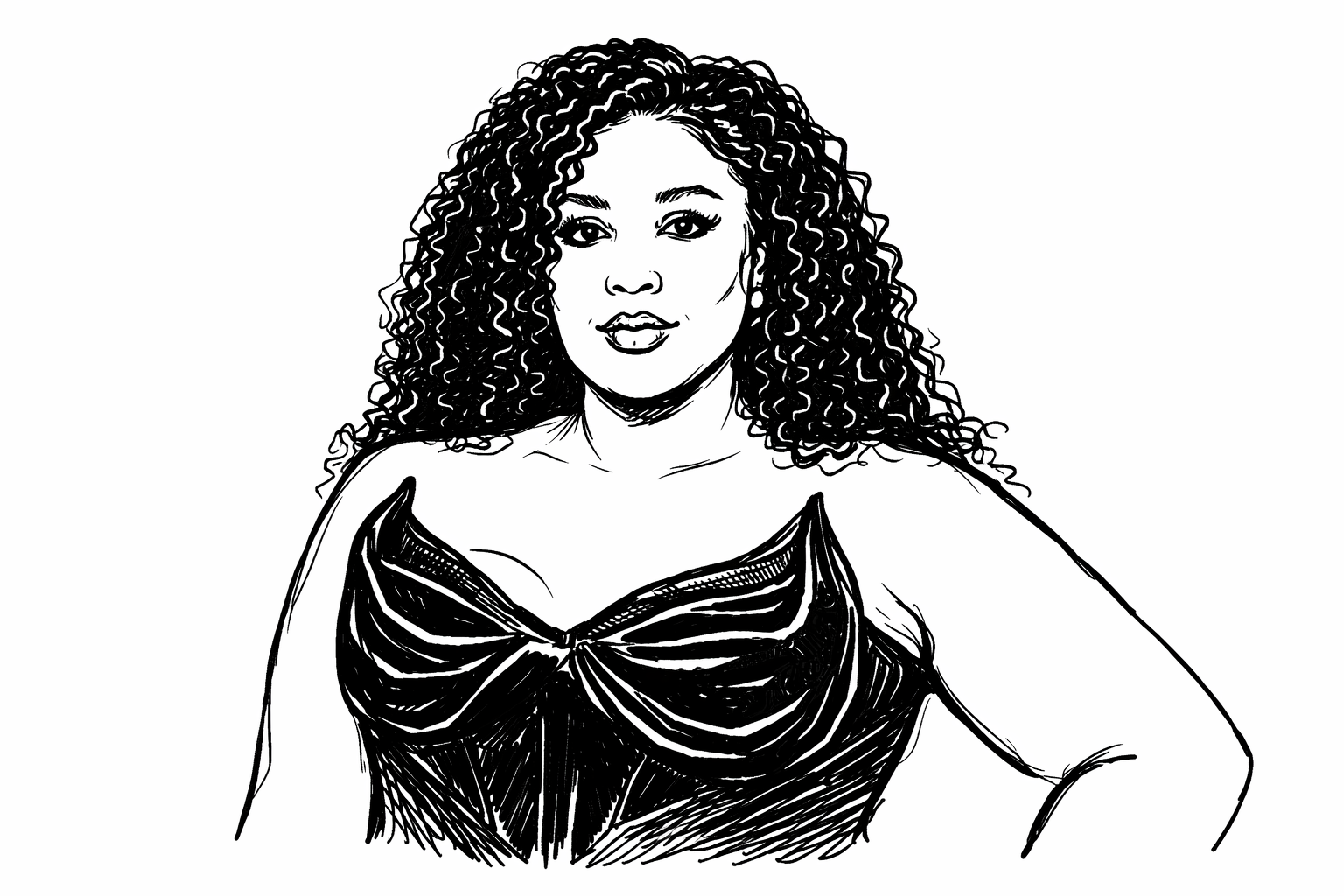
Lizzo didn’t just build a career. She built a position inside culture — one that wasn’t accidental and wasn’t imposed on her. For years she existed as more than an artist. She was a symbol of body positivity, self-acceptance, and liberation from beauty standards that had historically been used to exclude and diminish Black women in particular. That positioning was cultivated, embraced by audiences, and amplified by institutions that needed a visible face for what progress was supposed to look like. The Grammy wins reinforced it. The reality show that elevated her dancers reinforced it. The message was legible and powerful: here is someone who was told her body was wrong, who refused that verdict, and who built an empire on that refusal.
Then in August 2023, three of her former dancers sued her. The lawsuit alleged sexual harassment, a hostile work environment, and — most damaging to her public image — that she had weight-shamed one of her dancers and fired her because of it. “The stunning nature of how Lizzo and her management team treated their performers seems to go against everything Lizzo stands for publicly,” the plaintiffs’ attorney said in a statement.
The story since then has been more complicated than the initial coverage suggested — and the complication matters. The fat-shaming claims were dismissed by a judge who found insufficient evidence under California law. The dancers subsequently dropped their appeal of that dismissal. Lizzo celebrated the decision publicly, maintaining that her dancers were fired not for gaining weight but for recording a private meeting without her consent and sharing the footage with former employees. The claims that remain — sexual harassment, false imprisonment, hostile work environment — are still active and heading toward trial. The legal picture is contested and unresolved. Lizzo has said she will not settle. “I will be fighting every single claim until the truth is out,” she said.
But the legal story and the cultural story are not the same story, and the cultural story was already in motion before the verdict on any individual claim. The lawsuit arrived at a specific moment — when the body positivity movement was itself changing shape. Lizzo wrote about this in a November 2025 essay, describing what she saw as the movement’s transformation: “The body positive movement gave me wings and I could soar to unimaginable heights. But then it started to generate big business. And just like that it became branded for everyone. Unfortunately, once something becomes for everyone, the people that it was originally created for are edged out. It’s no longer for us anymore.” She was describing the movement’s co-optation — the way an idea built by and for Black and fat women had been absorbed into mainstream wellness culture and repackaged in ways that no longer centered the people who built it. She was making that argument at the same moment that her own alignment with the movement was being publicly questioned.
That simultaneity is what makes the Lizzo situation worth examining beyond the legal details. The harder question it surfaces is not whether she behaved consistently with the values she publicly espoused — courts will adjudicate the specific claims. The harder question is structural: what does it mean for a movement to be carried primarily by a single visible figure, and what happens to the movement when that figure’s image fractures? As SSC covered in Everyone Profits From the Narrative — Except the People Living It, the pattern of Black cultural figures being elevated to represent movements — and then bearing the full reputational weight when those movements are tested — is not new. It is a feature of how mainstream institutions engage with Black cultural ideas. They find a face, amplify the face, and build the narrative around the face rather than around the community or the idea. When the face becomes complicated, the narrative becomes complicated — and the movement gets caught in the fallout.
Body positivity was not Lizzo’s invention. It grew out of decades of fat liberation activism, much of it led by Black women and queer communities who built frameworks for understanding bodily autonomy and institutional discrimination long before those ideas were marketable. What Lizzo brought was visibility at scale — the ability to carry the message into mainstream spaces that had previously been inaccessible. That visibility was real and its impact was real. It was also a simplification, and simplifications are fragile. When the question shifted from what the movement stood for to whether the person standing for it was living those values, the movement had no structural answer — because it had been built around a persona rather than a principle.
Lizzo also noted in her essay that extended clothing sizes are becoming harder to find, that plus-size models are no longer getting booked for modeling gigs, and that “we have a lot of work to do, to undo the effects of the ozempic boom.” Those observations are accurate and important — and they exist completely separately from the lawsuits. The body positivity movement is under structural pressure from multiple directions simultaneously: the normalization of weight-loss medication, the retreat of brands from plus-size visibility, the mainstreaming that diluted its original politics. The Lizzo situation did not cause those pressures. But it became the most visible story through which the movement’s instability was being read.
Why This Matters
When a persona collapses — or even fractures — it doesn’t just impact reputation. It tests the durability of the idea behind it. If the movement survives, it was never about the person. If it doesn’t, that reveals something about how it was built and who was actually holding it. Body positivity is worth holding. The question is whether it can be held by a community, a set of principles, and a political framework — rather than by the visibility of any one figure. The Lizzo story is not over legally. The cultural question it raises doesn’t wait for the verdict.