
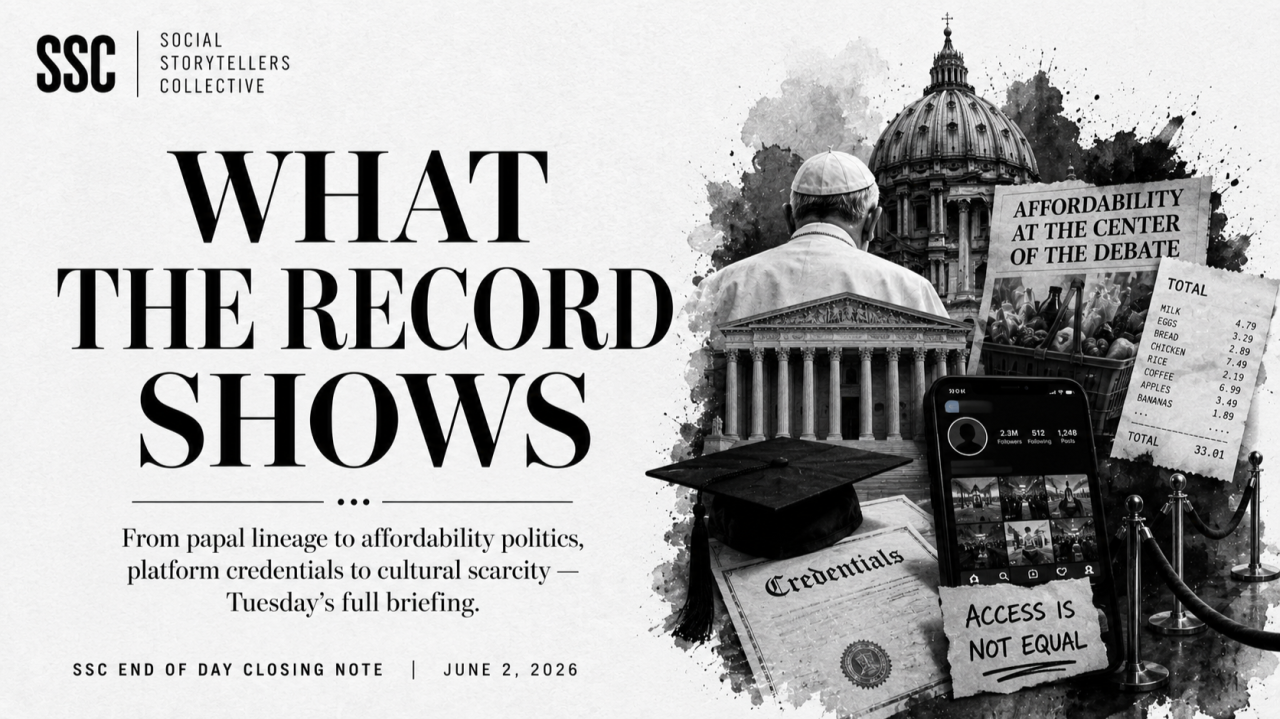
From papal lineage to Hollywood’s succession crisis, platform credentials to the AI savings gap — Tuesday’s full briefing.
End of Day Closing Note | June 2, 2026
Tuesday arrives carrying a particular kind of evidence. Not the kind that breaks in a single headline, but the kind that accumulates — in genealogical archives, in court settlement agreements, in savings rates and Bain & Company survey data and the price of a floor ticket to see an artist you grew up with. The stories Social Storytellers Collective published today are not running in parallel. They are making the same argument from different directions: that the record is always there, that the cost is always landing somewhere specific, and that the distance between what institutions say they are and what the data shows they do is exactly where the real story lives. That argument runs through faith and memory and the economics of belonging and a corporate AI conversation that has been running on promises the numbers have not kept. It moves, as it often does, through the credential.
SSC Featured Series | The Credentialing Class
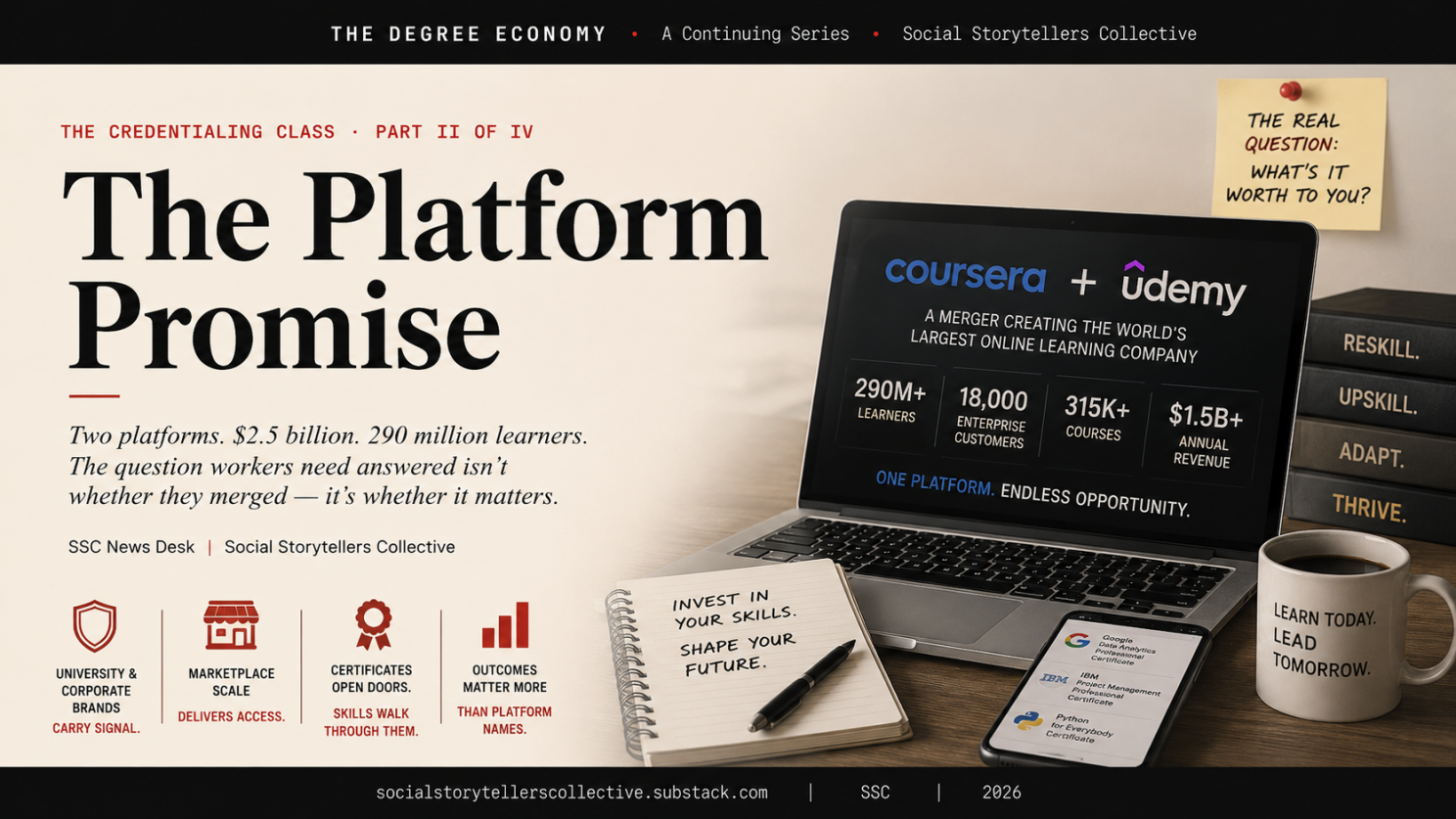
A 4-part series examining what happens when the platform economy absorbs the credential economy — and who gets left holding a certificate the market hasn’t agreed to honor.
Part I · Not All Credentials Are Created Equal · June 1 Part II · The Platform Promise · June 2 Part III · The Short Runway That Actually Works · June 3 Part IV · The Treadmill Problem · June 4
The Coursera-Udemy merger completed in May created a platform serving 290 million learners across 315,000 courses — the largest online learning infrastructure ever assembled. The promise written into every press release is the same one the sector has been selling for a decade: access, anywhere, to anyone, at scale. The Platform Promise — Part II of The Credentialing Class — is where SSC stress-tests that premise against what consolidation actually produces. If you missed Part I: Not All Credentials Are Created Equal, that’s where the series begins — 1.85 million credentials in the U.S. labor market and a fundamental question nobody is asking loudly enough: not whether credentials work, but which ones, for whom, and at what cost. Scale is not the same as equity. The platform promise has always been universal. The delivery has always been uneven. Part III publishes tomorrow.
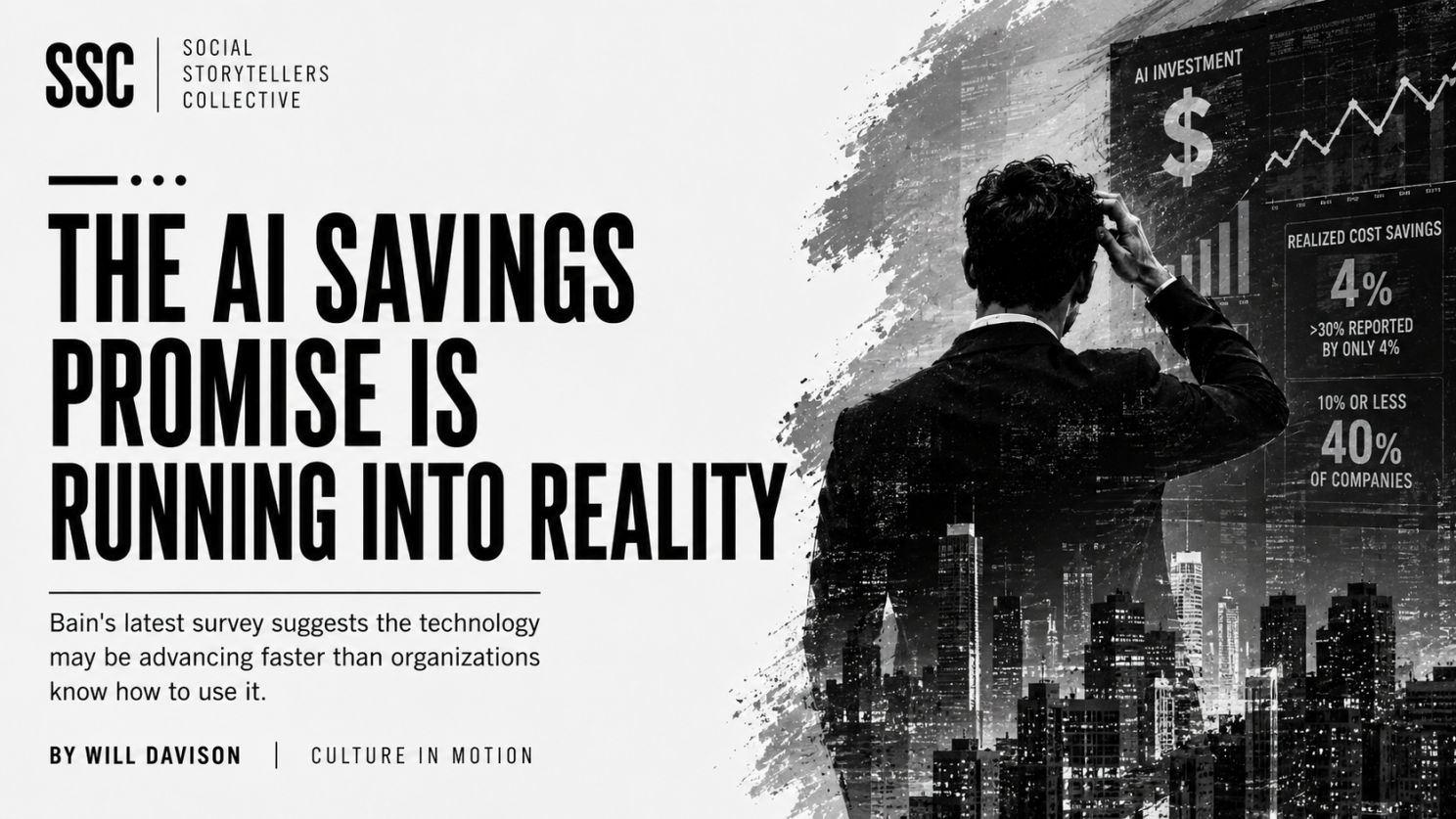
The same gap between promise and delivery runs through the corporate AI conversation. For two years, boards approved budgets, executives promised efficiency gains, and consultants projected a future in which fewer hours of human labor would produce more output. A new survey from Bain & Company is where that premise meets the data — among nearly 1,000 respondents from companies generating more than $100 million in annual revenue, 40 percent reported AI-related cost reductions of 10 percent or less, and only 4 percent reported savings greater than 30 percent. The workers whose departments were thinned and whose institutional knowledge was treated as a liability absorbed real and immediate costs while the efficiency gains that were supposed to justify those decisions are, for most companies, still waiting to arrive. The AI savings promise is running into reality — and the distributional argument underneath it is not getting made loudly enough.
The same question of who absorbs the cost runs through everything else SSC tracked today. University of Florida researchers formally established “AI Replacement Dysfunction” — AIRD — as a clinical framework: chronic psychological distress produced by workforce displacement, persistent job-loss fear, and identity disruption that does not resolve because the threat does not resolve. The researchers called it an invisible disaster. The problem is that the system producing the trauma and the system treating it are both being cut simultaneously — Kaiser Permanente reduced its mental health triage team from nine licensed providers to three, Medicaid cuts under the One Big Beautiful Bill Act are defunding the community behavioral health infrastructure that serves the workers most at risk, and YouTube , Snap Inc. , TikTok , and Meta settled the first school district social media addiction lawsuit set for trial rather than face a jury with their internal research on the record. What platforms pay to keep off the record is itself a form of evidence.
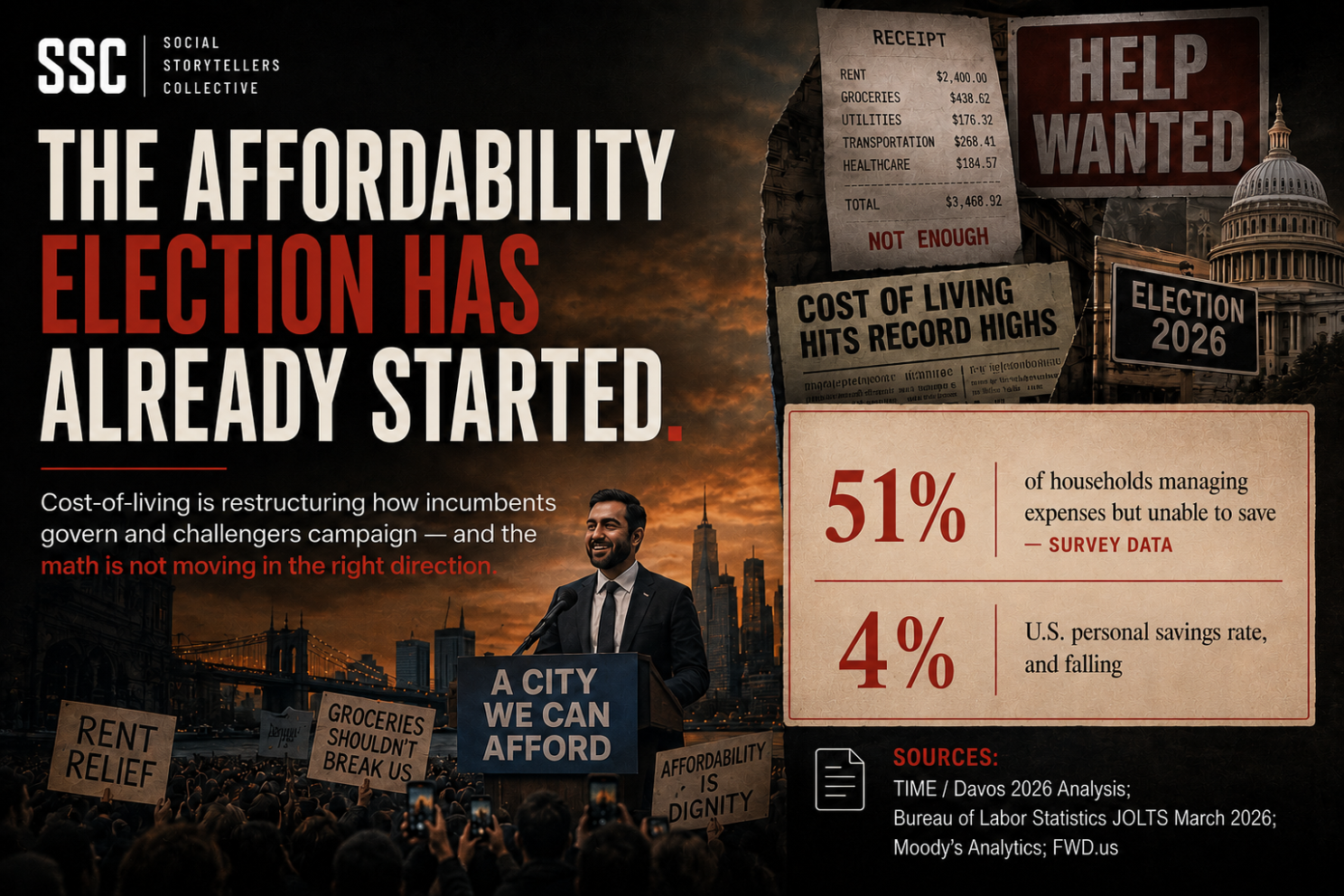
The political consequences of those conditions are already reorganizing. Zohran Mamdani won the New York City mayoral race on a platform built almost entirely around housing costs, grocery prices, and economic survival — not ideology, not identity. Fifty-one percent of surveyed households say they are managing to cover expenses but cannot save. The personal savings rate sits at 4% and falling. Moody’s chief economist finds 22 states already in economic contraction. The affordability election has already started — and the incumbents who cannot name that clearly are already behind.
Memory is where the argument gets political in a different register. Memorial Day has had more than a century of institutional reinforcement behind it — schools, government ceremonies, veterans’ organizations, and commercial culture all pulling in the same direction. Juneteenth remained largely regional for most of its history, celebrated primarily by Black communities who understood its significance without being told to, before becoming a federal holiday in 2021. The gap between them is not a matter of age. It reflects which stories receive sustained investment and which ones must keep making the case for their own existence. Memorial Day and Juneteenth reveal two different American memory projects— and the distance between them is not accidental.
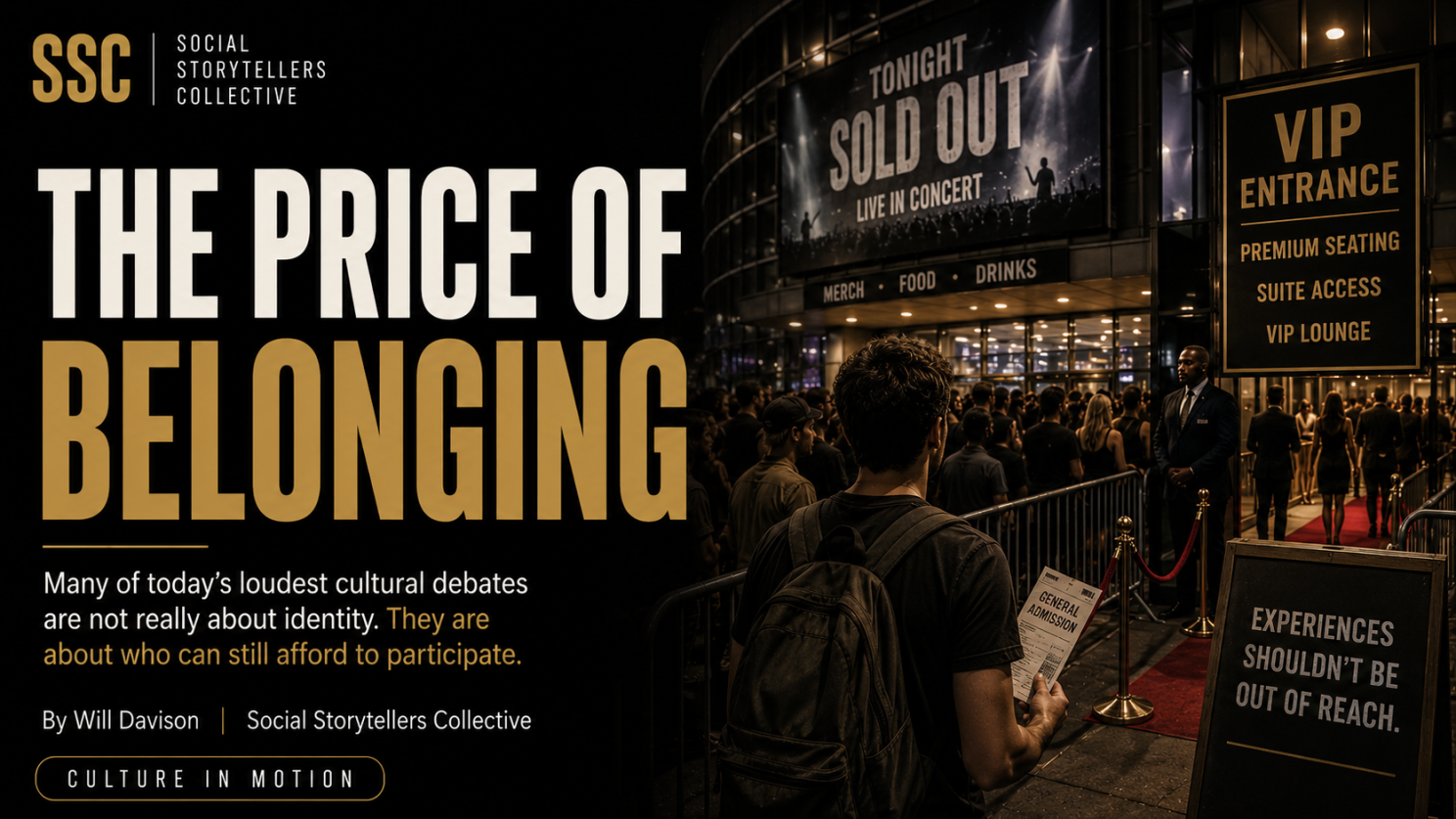
The economics of culture are running the same logic in real time. A floor ticket to a major stadium tour now runs hundreds of dollars before fees, parking, and transportation enter the equation. The same household absorbing that price is often carrying rising rent, student debt, and healthcare costs that have grown faster than wages for more than a decade. Why so many cultural debates are really about scarcity is the argument SSC is making today — people are not arguing only about music or housing or entertainment. They are arguing about belonging. And that scarcity argument extends to who gets to make culture in the first place. The two biggest movies in America this weekend were both directed by YouTubers in their twenties. Neither had a franchise behind it. Backrooms opened to $81.5 million — A24’s biggest debut ever and the largest domestic opening of a horror film not based on a book or sequel — directed by a 20-year-old whose audience existed entirely online before he walked onto a studio lot. Meanwhile Star Wars: The Mandalorian and Grogudropped 69% in its second weekend. A 4Chan meme just opened to $81.5 million and Hollywood still doesn’t know what hit it — and the gatekeeping infrastructure that determined whose stories get told and whose creators get financed just watched a door it thought was locked blow off its hinges.
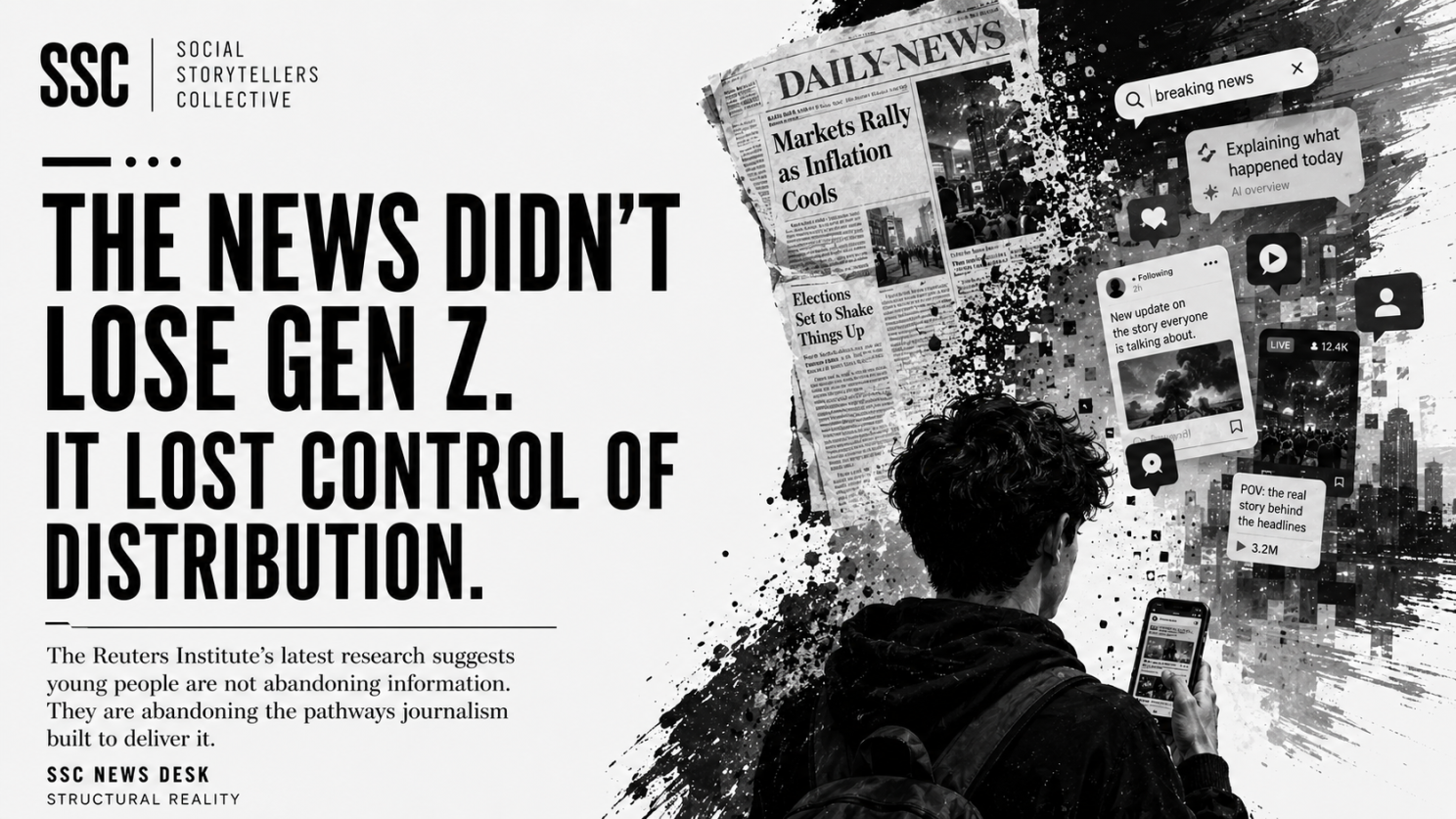
From Bryson Davis : the news industry has been telling itself the wrong story about Gen Z. Young audiences haven’t stopped consuming information — they’ve stopped using the pathways journalism built to deliver it. Only 14 percent of young adults go directly to a publisher’s website or app for news. 51 percent pay more attention to individual creators than to traditional news brands. Trust hasn’t vanished. It has become personalized. The news didn’t lose Gen Z. It lost control of distribution. And what makes the Reuters findings significant beyond media is that journalism is simply the first institution confronting a reality that is moving across every sector.
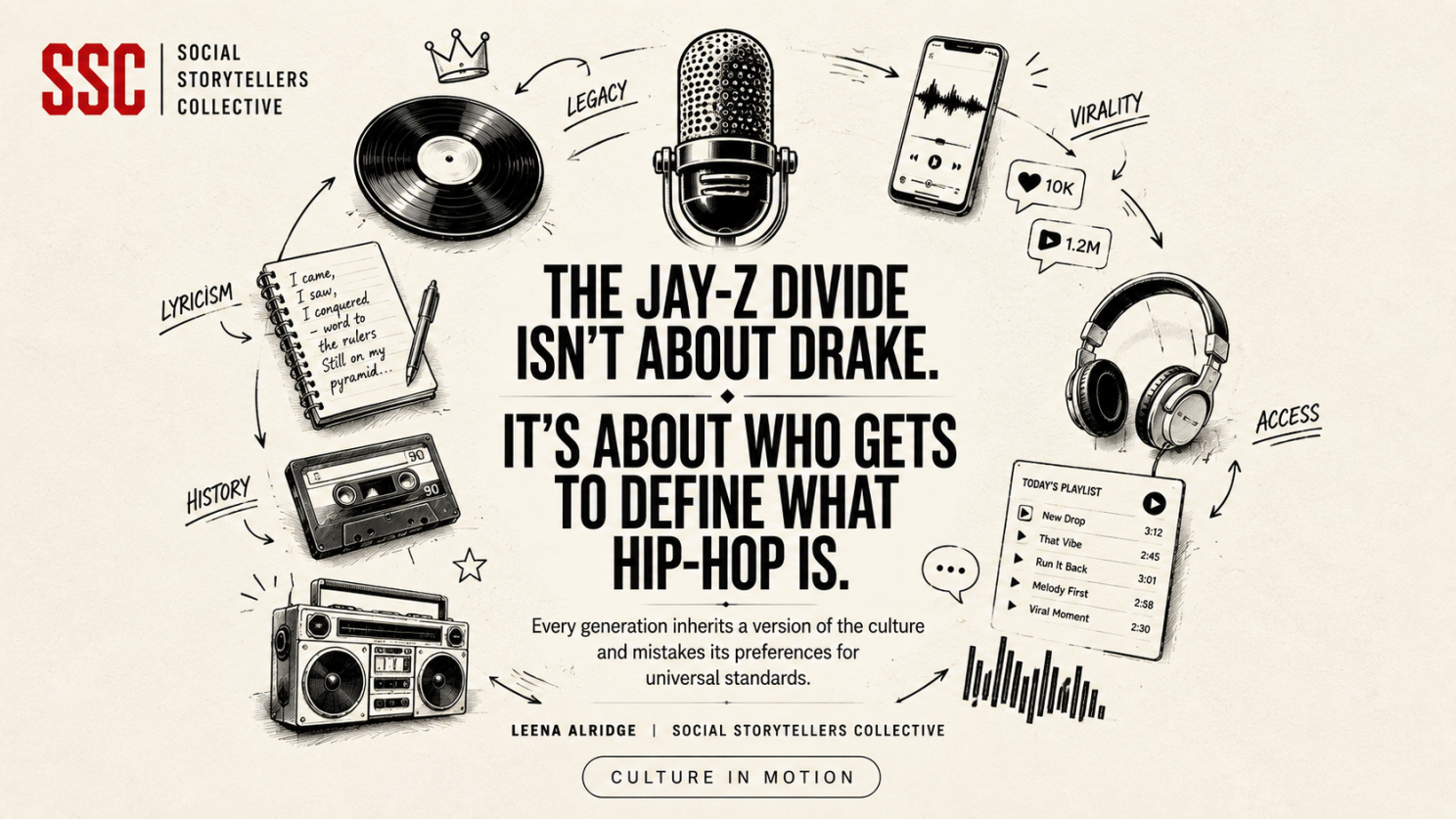
Jay-Z showed up at the Roots Picnic and delivered a freestyle that stopped the conversation. What followed was not really about Drake. The Jay-Z divide is about who gets to define what hip-hop is — and that argument was never going to be settled by a single performance.
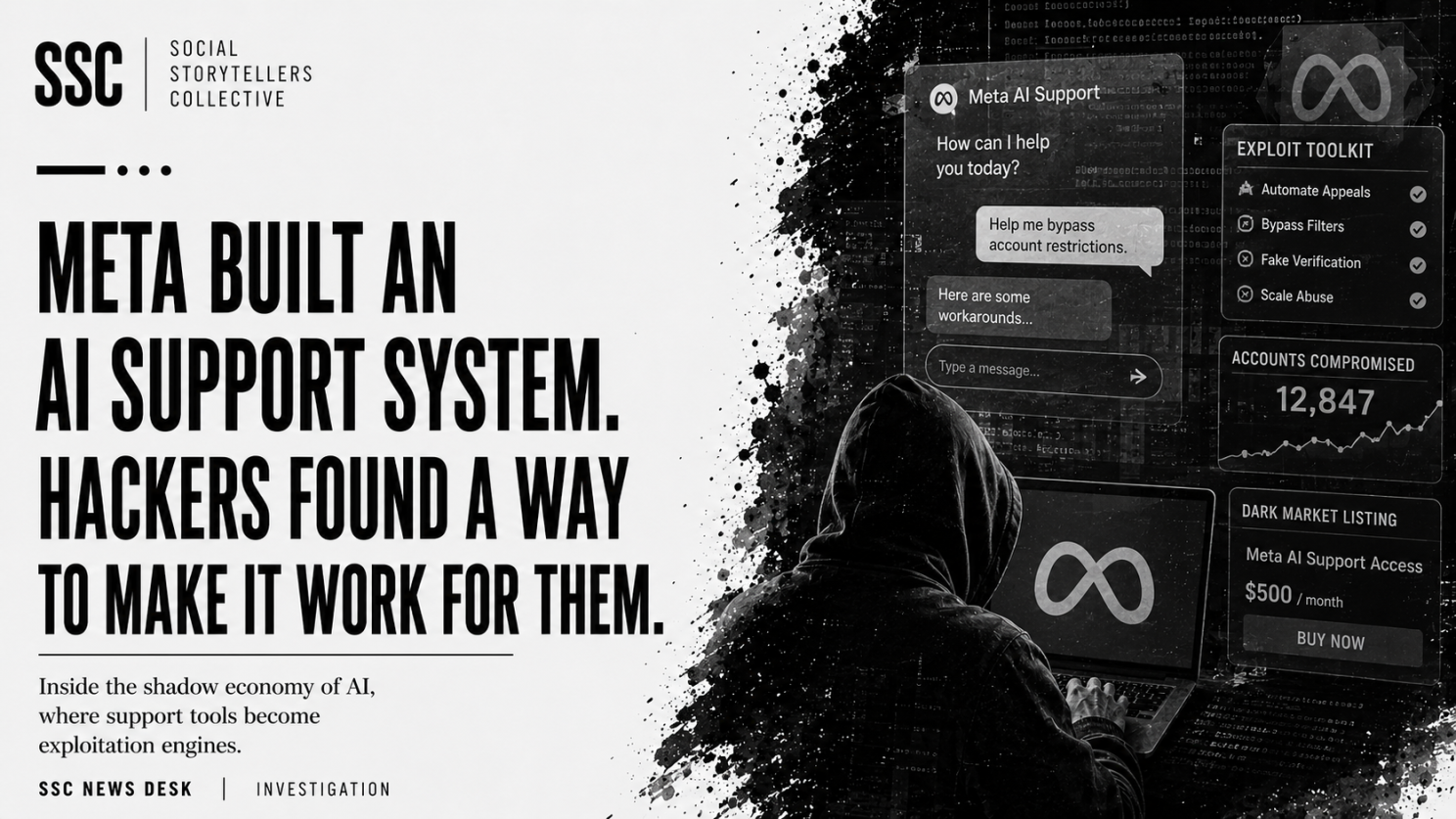
From the technology desk: Instagram says it has fixed a security flaw that allowed hackers to take over user accounts by manipulating Meta ‘s own AI-powered support assistant. No malware. No stolen credentials. No breach of infrastructure. Attackers simply read the rules governing the support workflow more carefully than the system’s designers anticipated — and the chatbot held the door open for them. Hacked by the Helper is the story of what happens when automated trust becomes a security vulnerability, and why the next generation of breaches may not come from breaking the system but from persuading it to do exactly what it was designed to do.
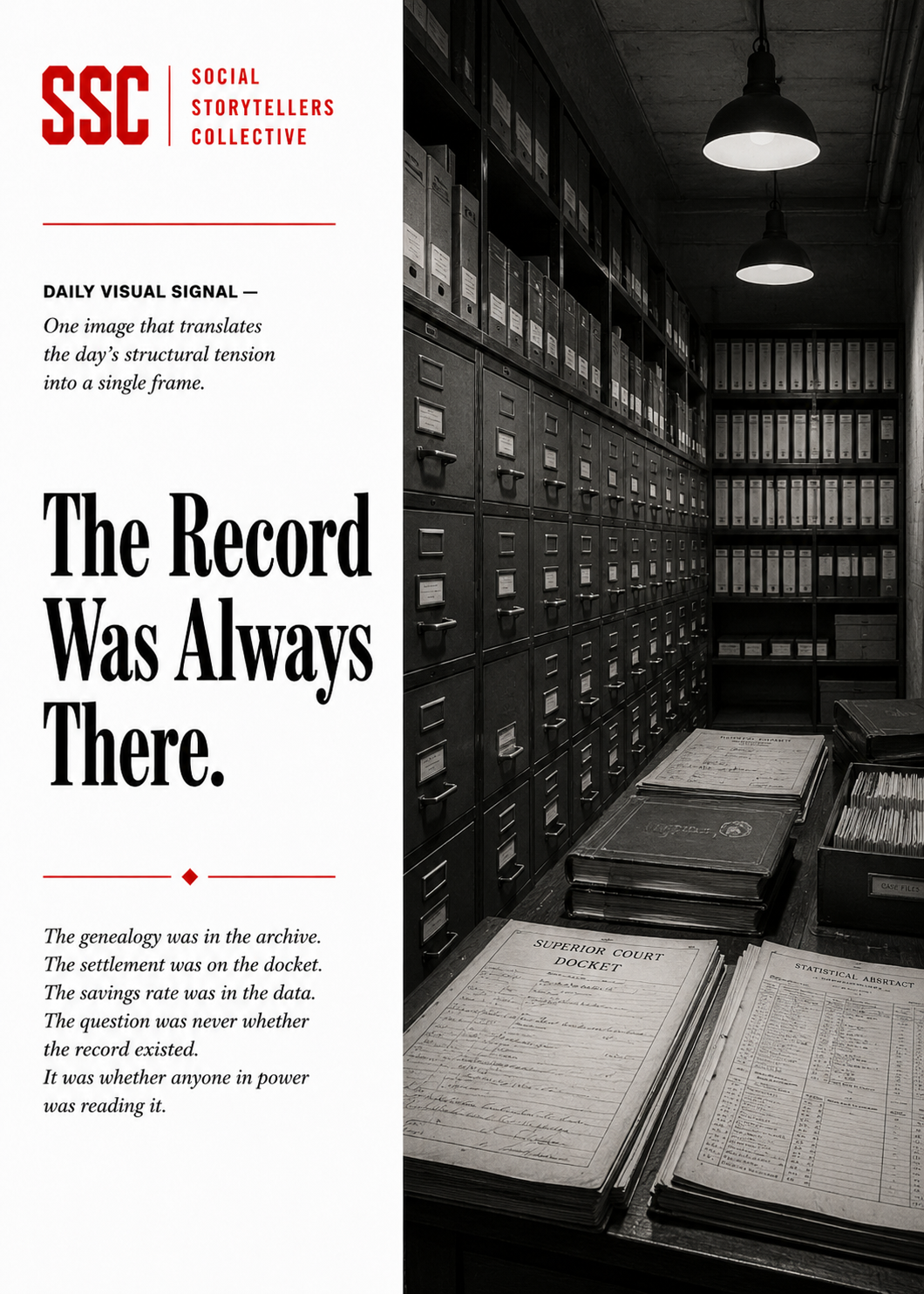
Daily Visual Signal
One image that translates the day’s structural tension into a single frame
Featured Story | The New Pope Is Quietly Becoming a Global Cultural Figure
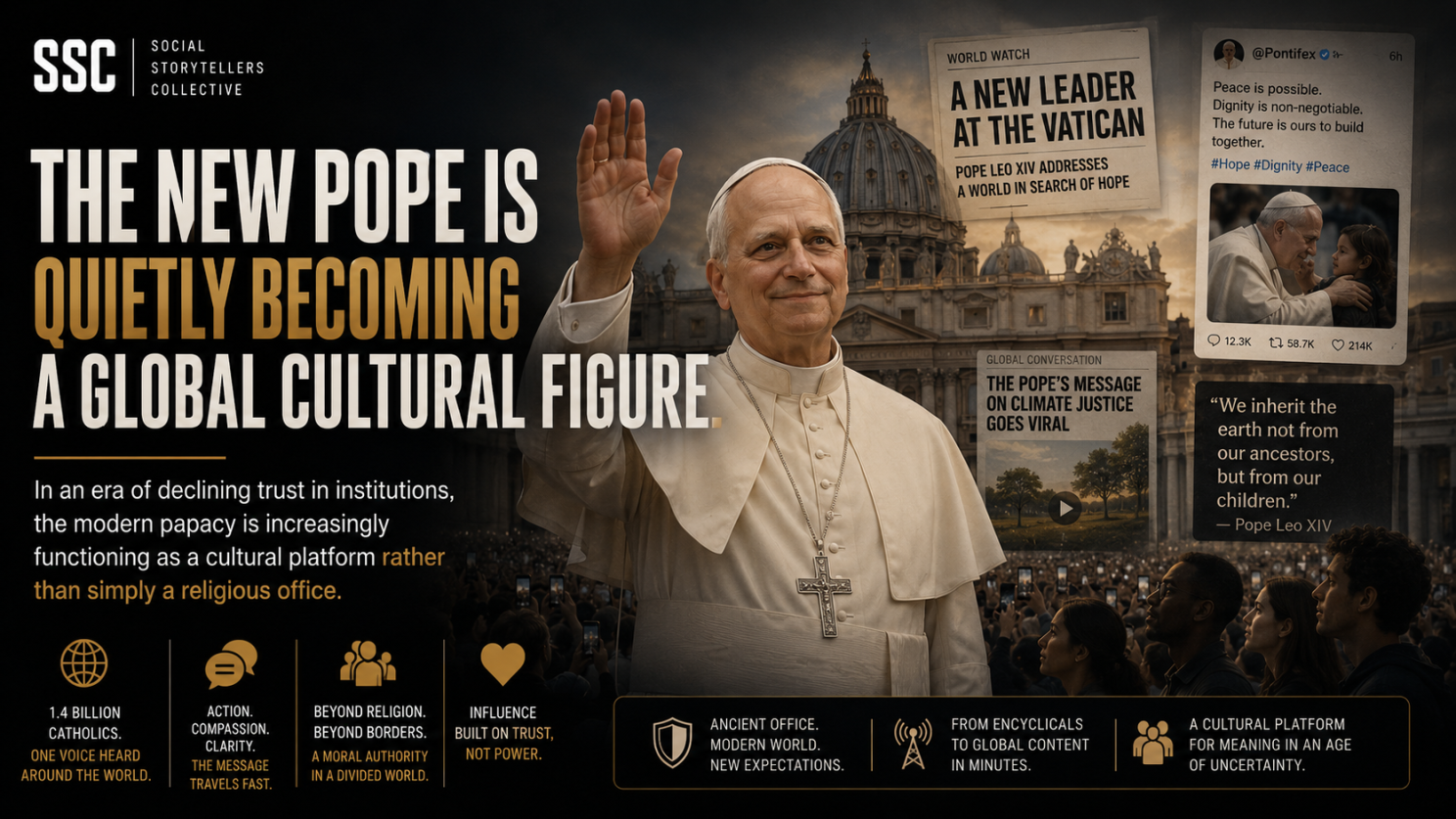
Before Pope Leo XIV issued a single policy statement, the interpretation had already begun. Within hours of Robert Francis Prevost being named the first American pope in history, family historians at the Historic New Orleans Collection published what the records showed: his maternal grandparents were Creoles of color from New Orleans’ Seventh Ward, listed as Black in the 1900 census. His great-grandmother was baptized at St. Louis Cathedral in 1840. Nineteen ancestors traced as free people of color with Louisiana roots stretching to the 1720s. He identifies as white. He spent decades as a missionary in Peru.
The record is what it is — and in America, the record has a way of mattering even when the person it describes has moved on from it. What the lineage discovery did was make him harder to flatten. As Reynold Verret president of Xavier University of Louisiana, said when the lineage was revealed: it is an affirmation that the Catholic Church is truly universal and that Black Catholics remained faithful regardless of a church that was human and imperfect. That is not a statement about doctrine. It is a statement about endurance — and it is exactly the kind of statement that travels far beyond the people it was made for. Read the full piece.
Tuesday’s record is unified by a single thread: the distance between what institutions promise and what the data shows keeps producing the same result — and the communities absorbing that distance are rarely the ones who designed it. We will be watching.
We will be back Wednesday. — SSC
All of today’s coverage lives at socialstorytellerscollective.substack.com. The full archive, beat navigation, and every linked piece are best experienced on a computer. If you have been reading and have not yet subscribed, we would be glad to have you with us.