Three years ago, analysts were giving Ukraine days. Russia’s invasion was expected to be fast, decisive, and terminal for the Ukrainian state. It was none of those things. The frontlines have stabilized. The alliances have deepened. And a recent New York Times analysis is now asking which leader — Volodymyr Zelenskyy among them — functions as the leader of the free world. That question would have been unthinkable in the first weeks of the war. The fact that it is being asked seriously tells you how much has changed.
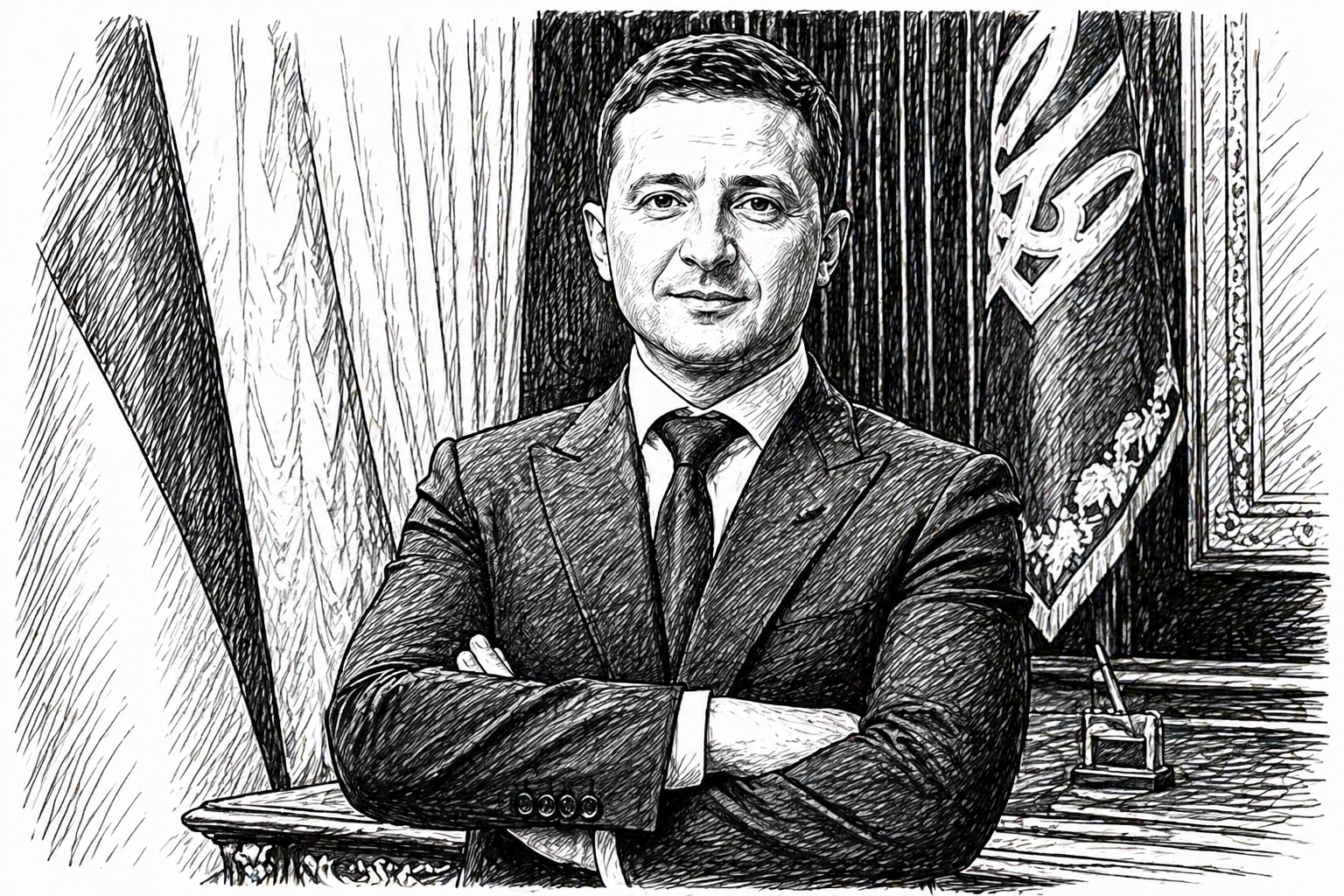
The change is not rhetorical. Military analysts describe the eastern front as largely stabilized, while Ukraine has simultaneously expanded its domestic arms production capacity in ways that matter beyond the battlefield. Dependence has historically defined Ukraine’s position in the global order. The ability to produce its own weapons, sustain its own forces, and negotiate from something closer to autonomy is a structural shift — not just a military one. It changes what Ukraine needs from its partners, and more importantly, what it can offer them.
That repositioning is already visible. Ukraine is no longer acting solely as a recipient of aid. Reports of defense coordination with Gulf states and continued engagement with the United States point to a country that is increasingly participating in shaping regional security dynamics rather than simply surviving within them. That is a different posture entirely.
Here is the contradiction at the center of this story. The war itself is what created the conditions for the transformation. Destruction, displacement, and sustained conflict forced rapid innovation and compressed timelines that would normally take decades into a matter of years. The system designed to break Ukraine instead accelerated it. That is not an argument for war. It is an observation about how pressure produces adaptation at a speed that stable institutions rarely match.
What it reframes is how power actually works right now. Scale and pre-existing capacity still matter. But the ability to adapt quickly, build internal systems under pressure, and operate across multiple alliances without full dependence on any single one is increasingly what determines leverage. Ukraine has developed all three. That is not where it started.
The implications for alliances are real. The traditional model — smaller nations dependent on dominant powers for protection — is being tested by what Ukraine has become. A country that can both receive and provide support within the same alliance framework redistributes influence inside that framework. That shift is still unfolding, but it is already changing the internal balance of relationships that were built around a different set of assumptions.
The timing also matters. As questions about the durability of U.S. global leadership become louder, Ukraine’s increasing autonomy is a live test of what leadership looks like when it is no longer centralized in a single country. The answer is not being debated in think tanks. It is being produced in real time on a front line in eastern Europe.
What this moment is revealing is not simply that Ukraine endured. It is that endurance produced something. The country is no longer defined primarily by what it needs. It is defined by what it can do — and by how that capability is quietly reshaping the systems it operates within.