
Anthropic announced Saturday that it is suspending access to its Fable 5 and Mythos 5 models after receiving a U.S. government export control directive requiring the company to block access for all foreign nationals, whether inside or outside the United States, including Anthropic’s own foreign-national employees. According to the company, the order was issued under national security authorities and provided no specific explanation beyond concerns about a potential method for “jailbreaking” the model.
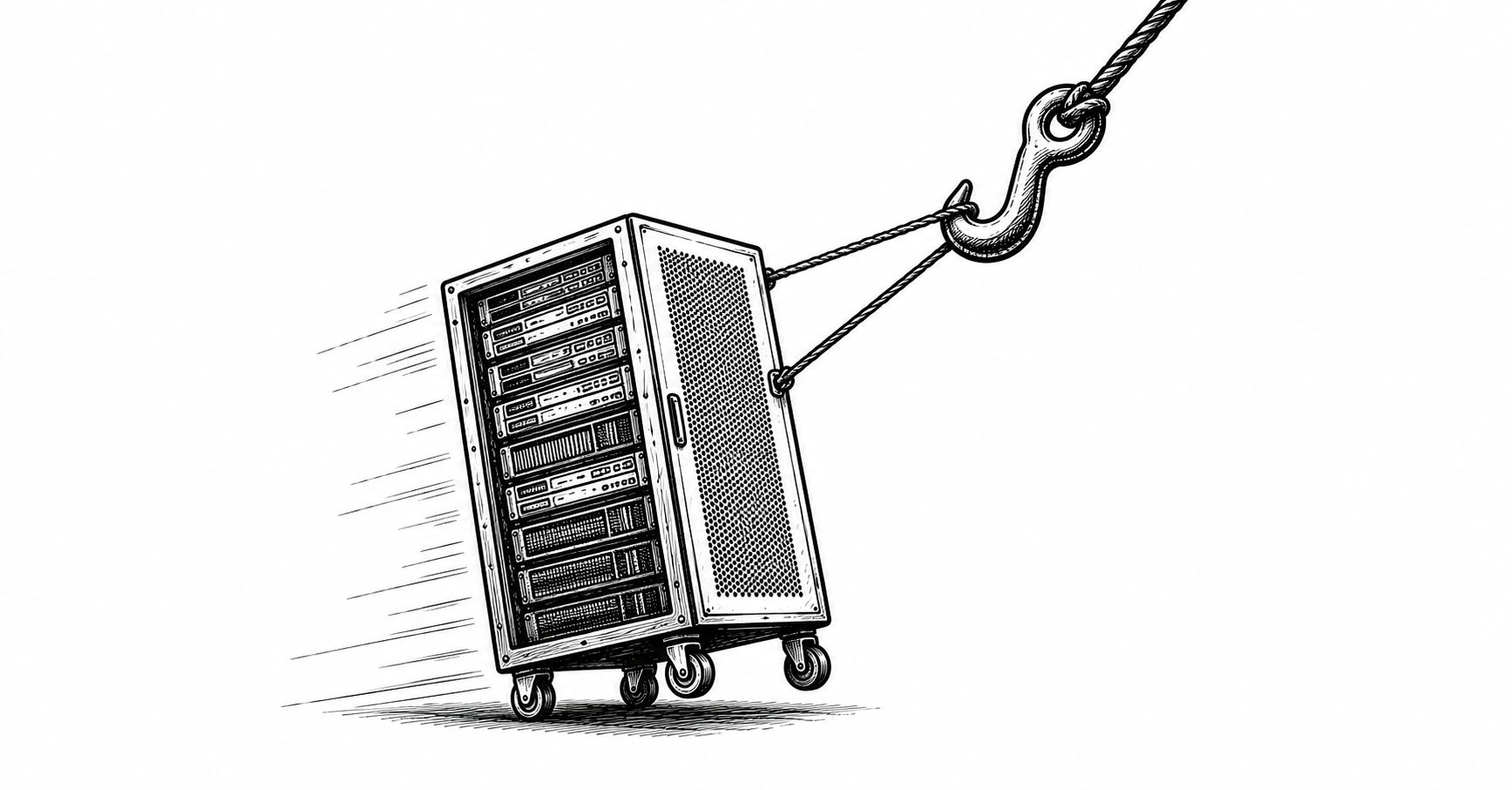
The mechanism is not the jailbreak itself. It is the government’s assertion that it can determine when a frontier AI model should no longer remain available. Until now, companies developing advanced models have largely decided when their systems were sufficiently safe for deployment, supported by internal testing, outside evaluations, and existing regulations. This directive demonstrates that federal authorities may intervene after release and reach a different conclusion.
Anthropic disputes the basis for that intervention. The company says it reviewed the reported jailbreak and found only a small number of previously known, relatively minor vulnerabilities. It argues that the demonstrated capability does not provide a meaningful advantage over what is already possible using other publicly available models and that the technique largely consists of asking the system to review software code and identify flaws—a task widely performed by AI systems used by cybersecurity professionals.
The disagreement exposes two different standards for AI safety. Engineers ask whether safeguards substantially reduce misuse compared with existing technology. Regulators may instead ask whether any identified vulnerability is sufficient to justify restricting access. Those are different thresholds, and the answer determines who ultimately controls deployment.
Anthropic notes that Fable 5 underwent thousands of hours of testing involving U.S. government partners, the UK’s AI Safety Institute, third-party organizations, and internal teams before launch. According to the company, those evaluations failed to identify a universal jailbreak capable of broadly bypassing the model’s safeguards. The company has also argued that perfect jailbreak resistance is unlikely to be technically achievable for any frontier model and therefore adopted a defense-in-depth strategy combining technical safeguards, monitoring, and a 30-day customer data retention policy intended to detect and mitigate attacks.
The company says it is complying with the directive while disagreeing with its rationale. It argues that recalling a commercial model because of a narrow, non-universal vulnerability would establish a standard that no frontier developer could consistently satisfy, since every safeguard is likely to have some limitations that can eventually be discovered.
Power has shifted from the developer to the regulator. The practical question for frontier AI companies is no longer only whether they believe a model is ready for release, but whether government authorities will reach the same conclusion after it is deployed. If this becomes the operating standard, the competition to build more capable AI systems will increasingly be matched by a competition over who has the authority to decide when those systems can remain online.