
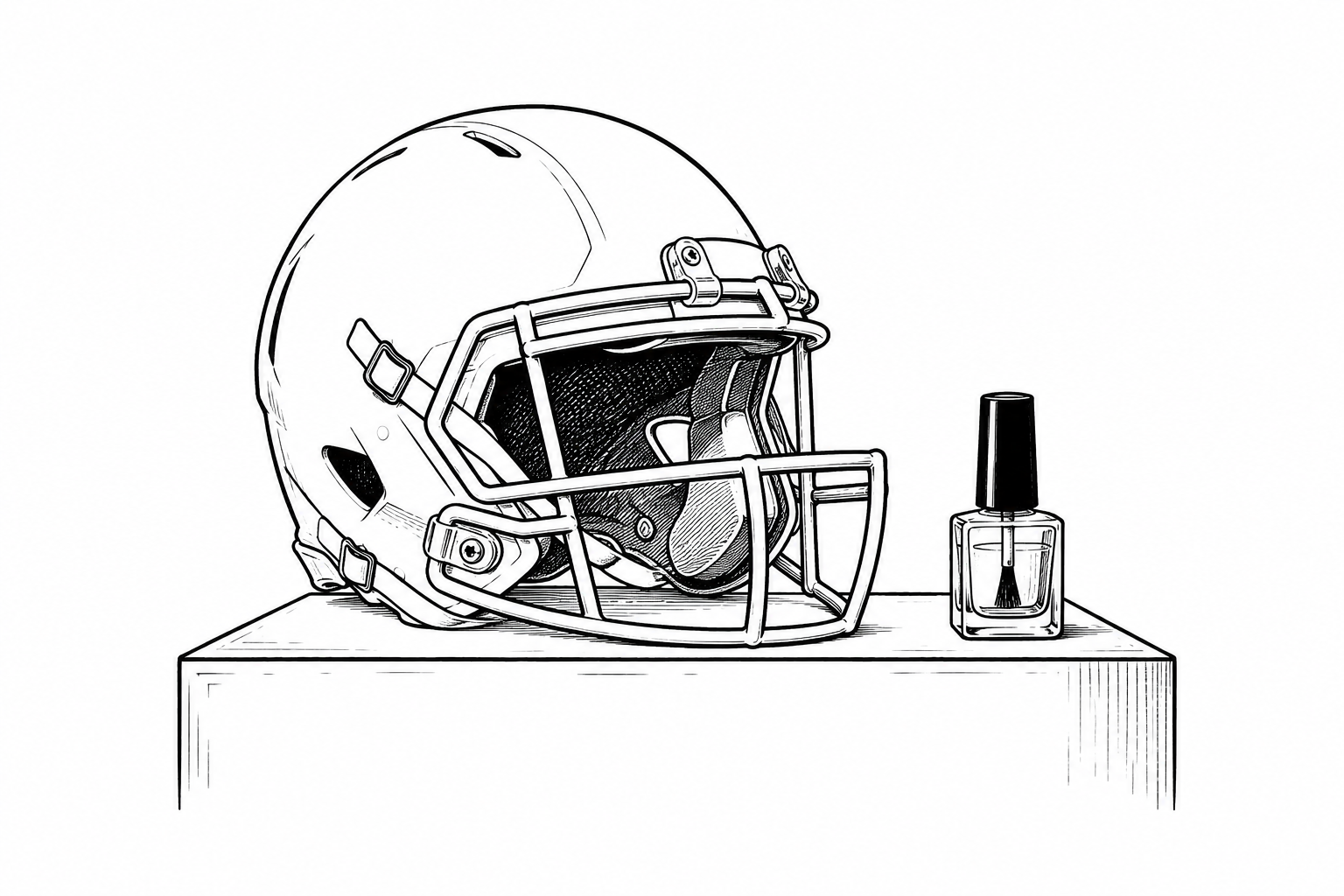
When EA Sports unveiled Chicago Bears quarterback Caleb Williams as the cover athlete for Madden NFL 27, the announcement should have been straightforward. Williams is one of the league’s most recognizable young stars. The cover placement signals the NFL’s confidence in his future and his marketability. Instead, part of the conversation immediately shifted away from football and toward something else entirely: his fingernails.
The criticism that followed was predictable in content if not in speed. Rapper Boosie Badazz was among the loudest voices, publicly questioning Williams for appearing on the cover with painted nails and arguing that young boys look to athletes as examples of masculinity. The comments spread quickly, generating the familiar cultural divide that accompanies almost every conversation about gender expression today. One side framed the criticism as common sense. The other viewed it as another attempt to police how Black men present themselves.
What that reaction reveals matters more than the reaction itself. Sports culture has always celebrated forms of self-expression that would have been considered unconventional in previous generations. Athletes wear elaborate jewelry, develop signature hairstyles, build personal brands, and cultivate public personas that extend far beyond the field. Entire industries exist around helping athletes stand out. Individuality is encouraged until it crosses a boundary that someone else has decided should remain fixed. The disagreement is rarely about expression itself. It is about which forms of expression are granted permission.
Williams is not the first man to wear nail polish in public. Musicians, artists, actors, and performers have challenged traditional expectations around appearance for decades. What makes his case different is his position. Quarterback remains one of the most symbolically loaded roles in American sports, carrying expectations that extend well beyond athletic performance. Quarterbacks are asked to embody leadership, toughness, and a very specific version of manhood. When someone in that role refuses to conform completely to those expectations, the reaction grows larger than the individual.
That dynamic points to something deeper. Many debates that appear to be about clothing, hairstyles, jewelry, or personal style are actually arguments about authority. Who gets to define masculinity? Who decides which traits represent strength? These questions sit underneath many of today’s most visible cultural disputes, particularly when Black men are involved. The public conversation rarely stays focused on the choice itself. It becomes a referendum on identity.
For younger audiences, that permission structure increasingly feels outdated. They have grown up in a media environment where identity is more fluid, visibility is more constant, and personal presentation is treated as an extension of individual autonomy. For older audiences, some of those same shifts can feel destabilizing. The resulting tension creates recurring flashpoints that are less about any single athlete and more about competing visions of what public manhood should look like. Caleb Williams did not create that conflict. He became its latest symbol.
The Madden cover may be remembered as another milestone in a promising football career. It may also be remembered as a reminder that representation is not only about who gets seen — it is about who gets to be seen on their own terms.