
NEWS DESK | VOICES OF THE COLLECTIVE
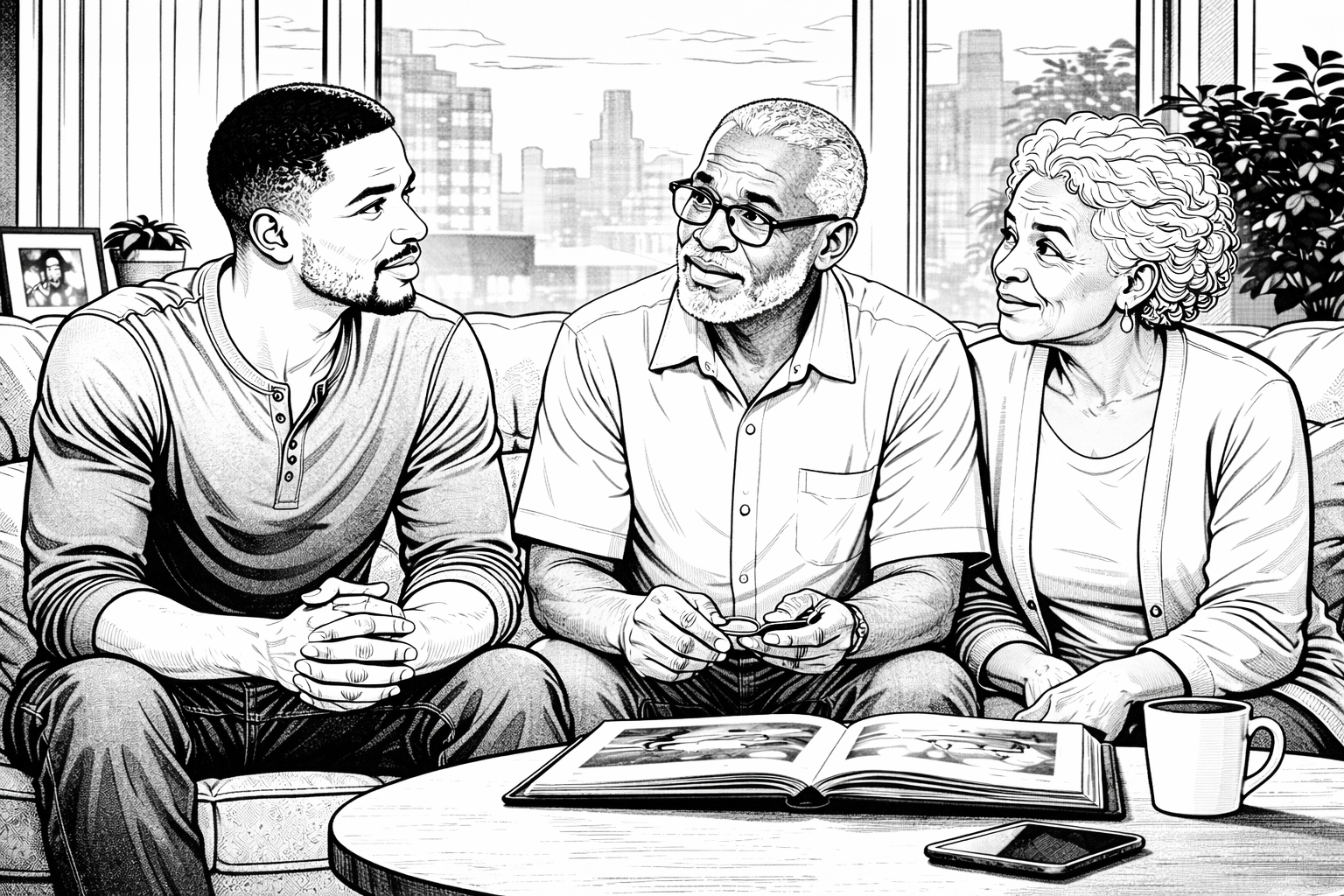
At some point, it happens: you stop seeing your parents as people who had answers and start seeing them as people who were trying to find them. For most of childhood, the illusion holds. Parents appear certain—they set rules, make decisions, and move through the world with what looks like clarity. It isn’t until later, often much later, that a different picture comes into focus. They were improvising, navigating financial pressure, cultural expectations, and their own unresolved histories while trying to build a stable world for someone else. What looked like confidence was often something closer to determination, or survival, or both.
The context matters. Baby Boomers raised children in a world that predates the infrastructure of information people now take for granted. In 1995, roughly 14 percent of American adults had internet access; today that number is approximately 96 percent, according to Pew Research. The ability to search symptoms, research parenting strategies, or find language for an emotional experience in seconds did not exist. Earlier generations relied on instinct, family tradition, and the limited advice available within their immediate circles. They were not less capable, but they were working with fewer tools.
Cultural attitudes widened the gap further. Therapy, counseling, and open conversations about mental health were far less normalized than they are today. The American Psychological Association reports that roughly 60 percent of adults under 40 engage with some form of mental health support, compared to around 30 percent of adults over 55. That difference reflects more than changing preferences; it reflects what was available, what was socially permissible, and what language existed to name what someone was experiencing. Many parents were carrying things they had no framework to process, let alone to discuss.
None of this erases what was hard. Recognizing the constraints someone operated under does not require you to minimize what those constraints cost you. What it does offer is the ability to hold two truths at once: the reality of your own experience, and a fuller picture of the person who shaped it. The moment that shift happens often becomes a turning point. What once felt like a fixed story about a parent’s failures opens into something more complex and more human, revealing that they were not standing above life with clear sight, but moving through it like everyone else, figuring it out as they went.
If things unfold the way they sometimes do, there comes a season when the roles begin to reverse, when care flows in the other direction and the patience you once needed becomes something you now offer. That shift may be the clearest marker of adulthood. It is not just the recognition that your parents were flawed, but the decision to love them with full awareness of it.