
NEWS DESK | SOCIAL STORYTELLERS COLLECTIVE
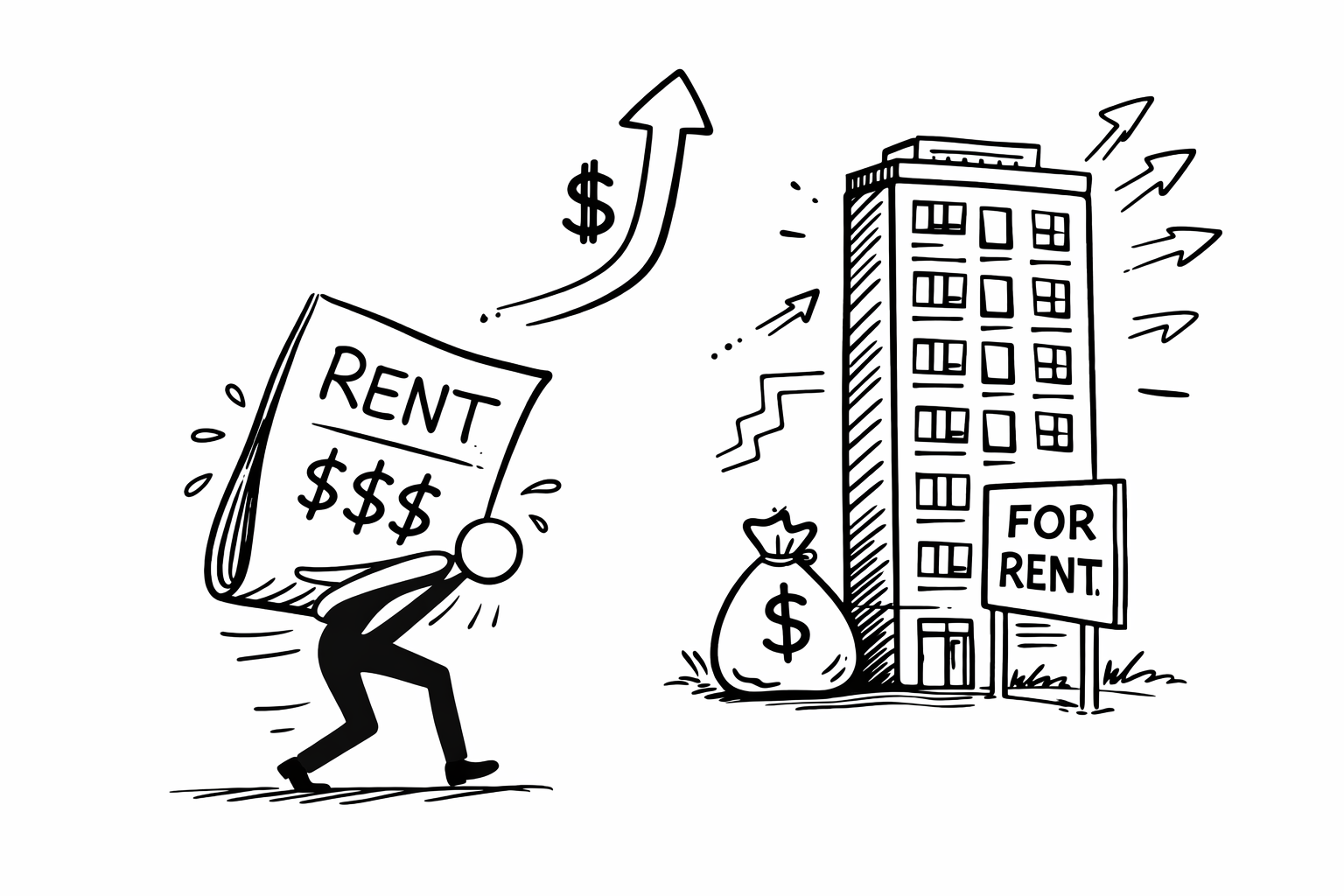
For many renters, a frustrating question keeps surfacing: why does it sometimes feel like renting costs more than owning? The answer lies in a combination of housing supply, interest rates, and the unusual timing of the past several years. What appears on the surface as a simple pricing issue is actually the result of several overlapping economic forces.
During the pandemic, mortgage interest rates dropped to historic lows, allowing millions of homeowners to lock in loans around three percent. As rates later climbed above six percent, many of those homeowners chose not to sell — effectively freezing a significant portion of the available housing supply. Fewer listings meant fewer opportunities for buyers to enter the market, and that bottleneck pushed more households into renting longer than they originally planned.
The resulting surge in rental demand drove prices sharply higher. According to national housing data, U.S. rents have increased roughly 35 percent since 2020, reflecting both sustained demand and constrained supply. According to Zillow, the average rent in the United States now sits at approximately $2,000 per month — though that figure varies widely depending on location and property type.
Pricing pressures are further shaped by how rental properties are owned and managed. Large investment firms have entered the market in greater numbers in recent years, purchasing single-family homes and converting them into rentals. Unlike individual landlords whose pricing may reflect local conditions or personal circumstances, institutional owners typically price units based on market demand and portfolio returns — a dynamic that can keep rents elevated even as broader conditions soften. On top of that, operating expenses including property taxes, insurance premiums, maintenance, and labor costs have all risen, and those increases are rarely absorbed by property owners alone. They are passed through to tenants.
The result is a housing market shaped by timing as much as economics. Homeowners who secured low interest rates before the market shifted often benefit from lower monthly payments, while renters today face prices shaped by years of rising demand, limited supply, and institutional ownership patterns. But there are early signs the market is beginning to adjust. In some cities, landlords are now offering concessions — free months of rent, reduced deposits, and other incentives — to attract and retain tenants. These shifts suggest that while rent levels remain elevated, pressure is building beneath the surface. The question is no longer just why rent is so high, but whether the current pricing model can hold.