
Part of Social Storytellers Collective’s ongoing coverage of economy, behavior, and financial access.
Most conversations about retirement readiness start in the same place: income. The assumption is that the people who fall behind do so because they don’t earn enough, spend too much, or lack access to the right financial tools. Those factors matter. But new data points to something more fundamental — and more actionable.
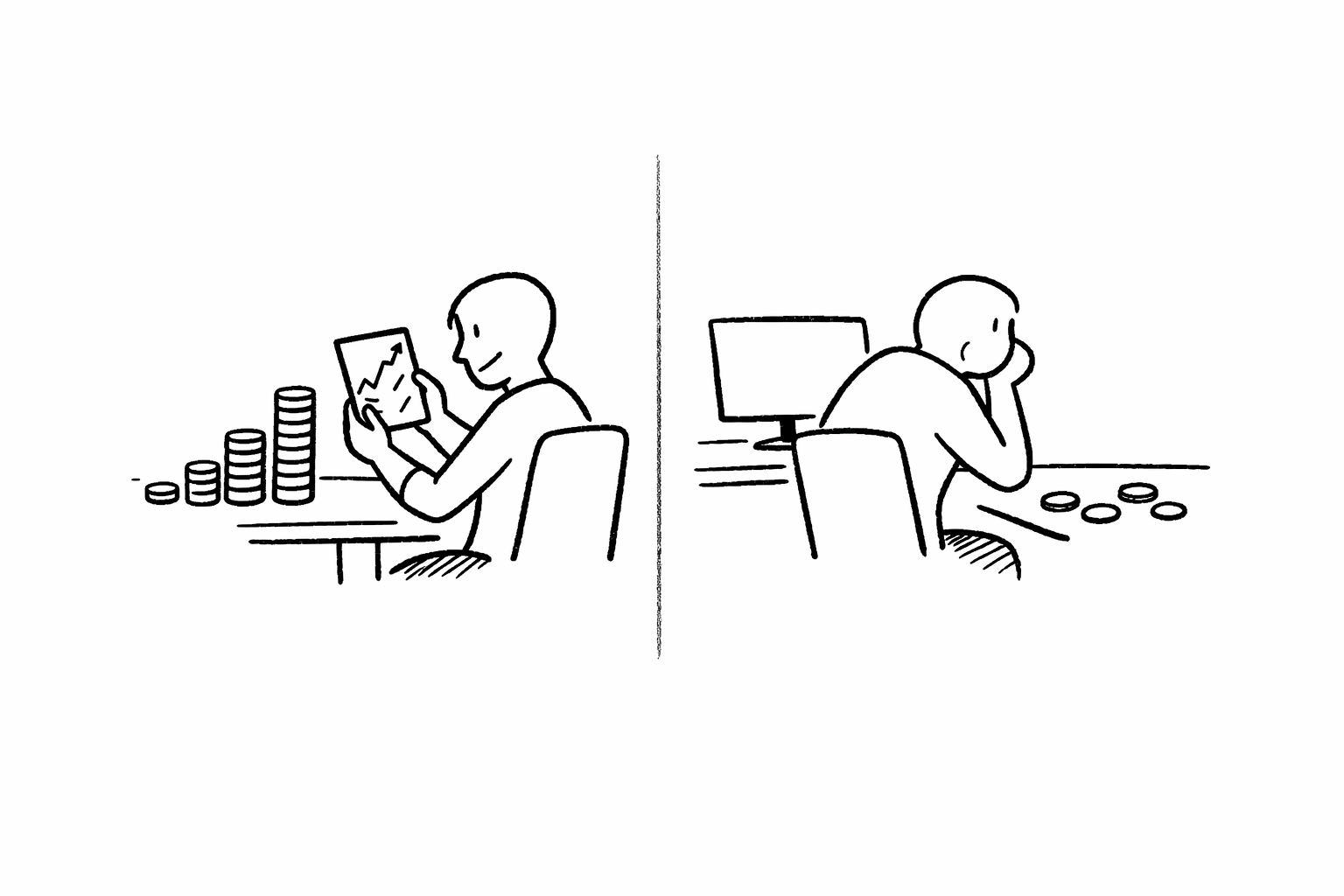
Individuals who consistently monitor their retirement savings have more than double the retirement assets of those who don’t. Not slightly more. More than double. The gap isn’t primarily explained by income level or investment strategy. It’s explained by awareness.
That finding reframes something important. The divide in retirement preparedness isn’t only economic — it’s behavioral. And behavior, unlike income, is something people can change.
The mechanism isn’t complicated. People who regularly review their accounts are more likely to adjust contributions when circumstances shift, respond to market changes before they compound, and make small incremental decisions that build over time. People who remain disconnected from their financial position tend to delay action — often because they assume they’re in a stronger position than they actually are. Many Americans simultaneously underestimate how much they’ll need for retirement and overestimate how prepared they already are. That gap between perception and reality can persist for years, quietly, until it can’t.
This matters more now than it once did. Employer-sponsored pensions have declined steadily, shifting the responsibility for retirement planning increasingly onto individuals. In that environment, engagement isn’t just a good habit — it’s load-bearing. Without it, even higher earners can fall behind. With it, more moderate earners who stay consistently engaged may quietly build stronger financial positions than peers who earn more but pay less attention.
Visibility, in other words, drives action. And action — sustained over time — builds stability.
The practical implication is straightforward, even if the habit is harder to build than it sounds: checking in regularly with where you stand financially is not a minor administrative task. It is one of the more consequential things a person can do for their long-term security. Not because watching a number change does anything on its own, but because it keeps the decision in view — and decisions in view tend to get made.
The people who are quietly on track for retirement are often not the ones who made dramatic financial moves. They’re the ones who kept looking.