

Business schools are slashing MBA tuition by up to 50%. Tomorrow, SSC begins a four-part series examining what that fire sale actually signals — and who it leaves behind. The Degree Economy traces the collapse of the MBA pipeline from every direction at once: a credential being marked down, the jobs it was supposed to access being eliminated by AI, the workers most in need of an upgrade least positioned to use the discount, and the institutions built to serve them absorbing cuts while the sale plays out around them. Part I publishes tomorrow. Subscribe so you don’t miss it.

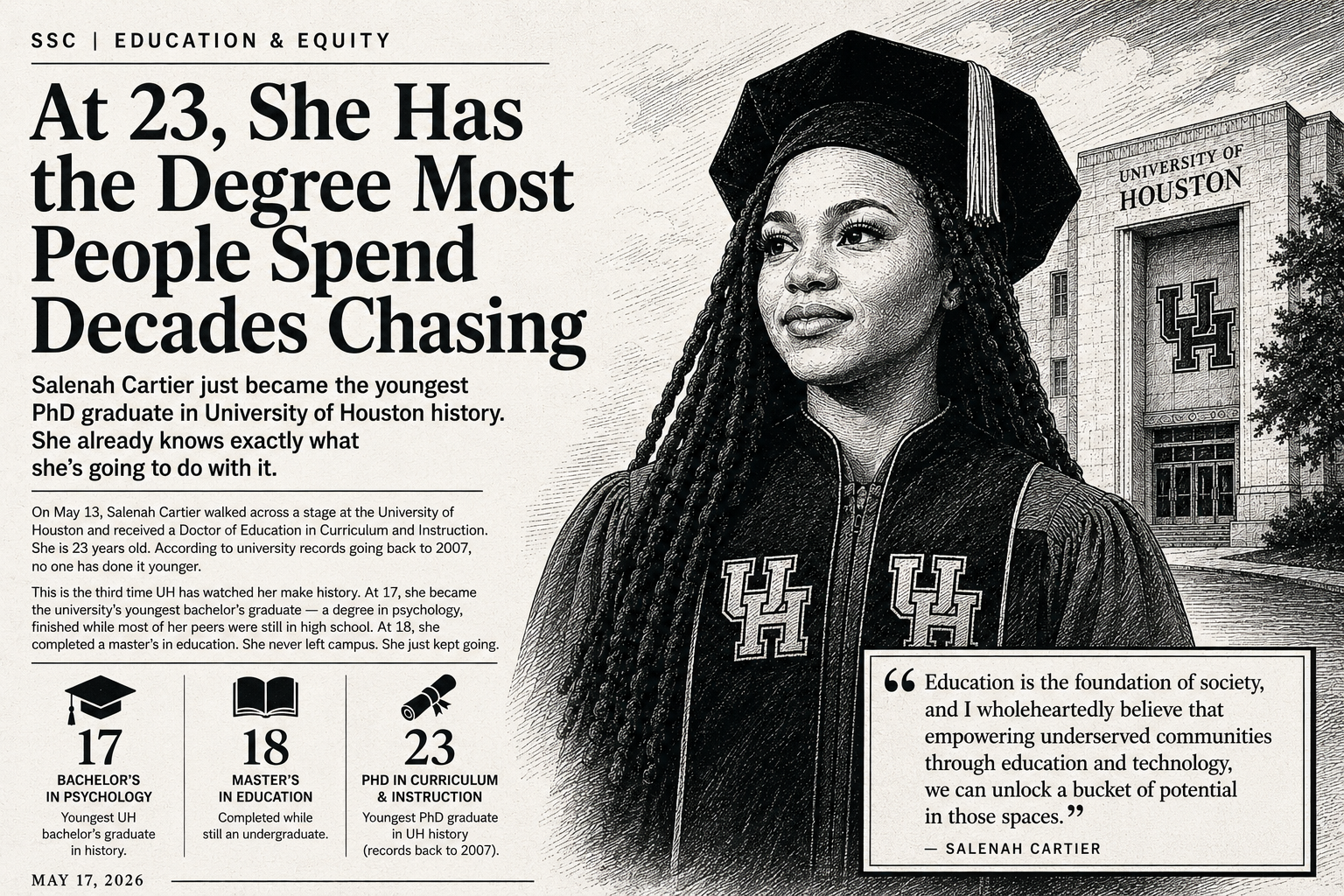
This morning, Salenah Cartier walked across a stage at the University of Houston and received a doctorate at 23 — the youngest PhD graduate in the school’s modern history. She plans to use it to empower underserved communities through education and technology. Hold that image. Because the rest of today’s stories are about what happens when the systems those communities depend on are being quietly rearranged — and not in their favor.
The Federal Reserve has a new chair. The Senate’s most significant housing bill in a generation arrived in the House and came out missing its most important provision. A federal judge blocked a Texas immigration law one day before it was set to take effect. And for the first time in three years, American workers are losing ground to inflation. Today is not a light news day. It is a day that asks you to look at several things at once and recognize that they are part of the same story.
The most direct economic story of the day is the one hiding inside the April CPI report. In For the First Time in Three Years, Your Paycheck Is Losing to Inflation, we break down what it means that inflation just clocked in at 3.8 percent year-over-year — the highest annual rate since May 2023 — while wages grew at 3.6 percent over the same period. Real average hourly wages fell 0.3 percent annually and slipped 0.5 percent in April alone. For three years, workers gained ground. That period ended in April. The households already navigating the thinnest margins felt it at the gas station before the data confirmed it.

Across the Atlantic, tens of thousands of people marched through central London on Saturday under the banner of “Unite the Kingdom” — chanting “give us back our country,” wearing red “Make England Great Again” hats, and demanding the removal of Prime Minister Keir Starmer. The Metropolitan Police deployed 4,000 officers in what it called its largest public order operation in years, spending approximately £4.5 million on a single afternoon. Forty-three people were arrested. Eleven foreign speakers were blocked from entering the country before the march began. The rally was organized by Tommy Robinson and funded in substantial part by American donors — $200,000 from Andy Miller, $100,000 from Robert Shillman — with Elon Musk publicly thanked from the podium. A closed-door meeting of European nationalists was held in Paris the week before under the banner of “Make Europe Great Again,” with the express goal of coordinating with Trump-aligned American conservatives. This was not a spontaneous uprising. It was a professional, funded, transnational political operation wearing the aesthetic of organic outrage. The Playbook Crossed the Atlantic names what it actually is.
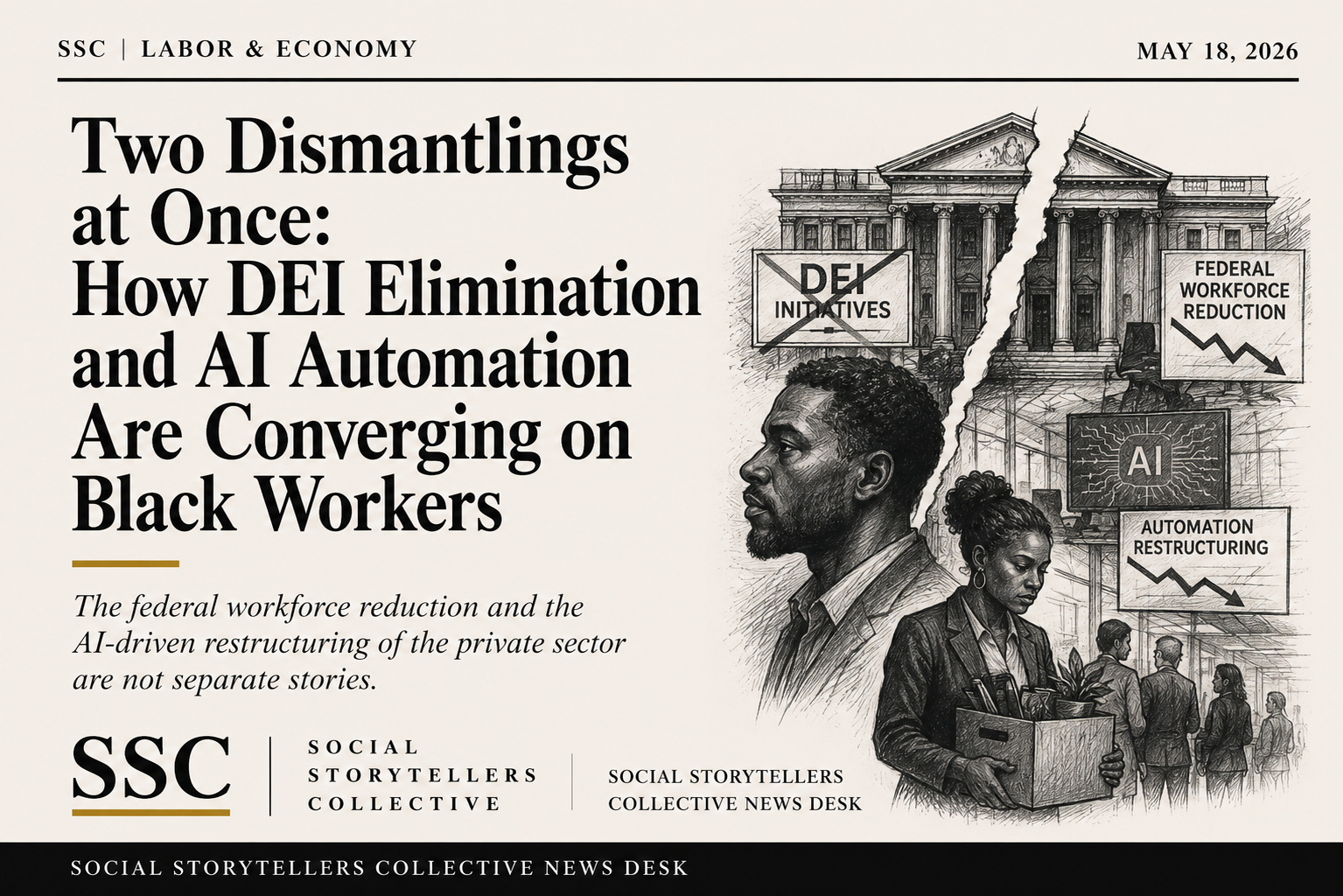
That economic pressure lands hardest on the workers already absorbing a second simultaneous disruption. In Two Dismantlings at Once: How DEI Elimination and AI Automation Are Converging on Black Workers, we name what most coverage of these two stories has not: they are not separate events. The federal workforce reduction — which has separated approximately 300,000 civil service employees since January 2025 — and the AI-driven restructuring of the private sector are concentrating their impact on the same population at the same time. Black women represented 33 percent of federal layoffs in 2025 and 2026 despite making up 12 percent of the federal workforce. The roles AI is most aggressively targeting in the private sector are the same professional pathways Black women most recently gained access to. There is no adjacent sector absorbing the displacement. There is no version of the fallback that is not also under pressure.
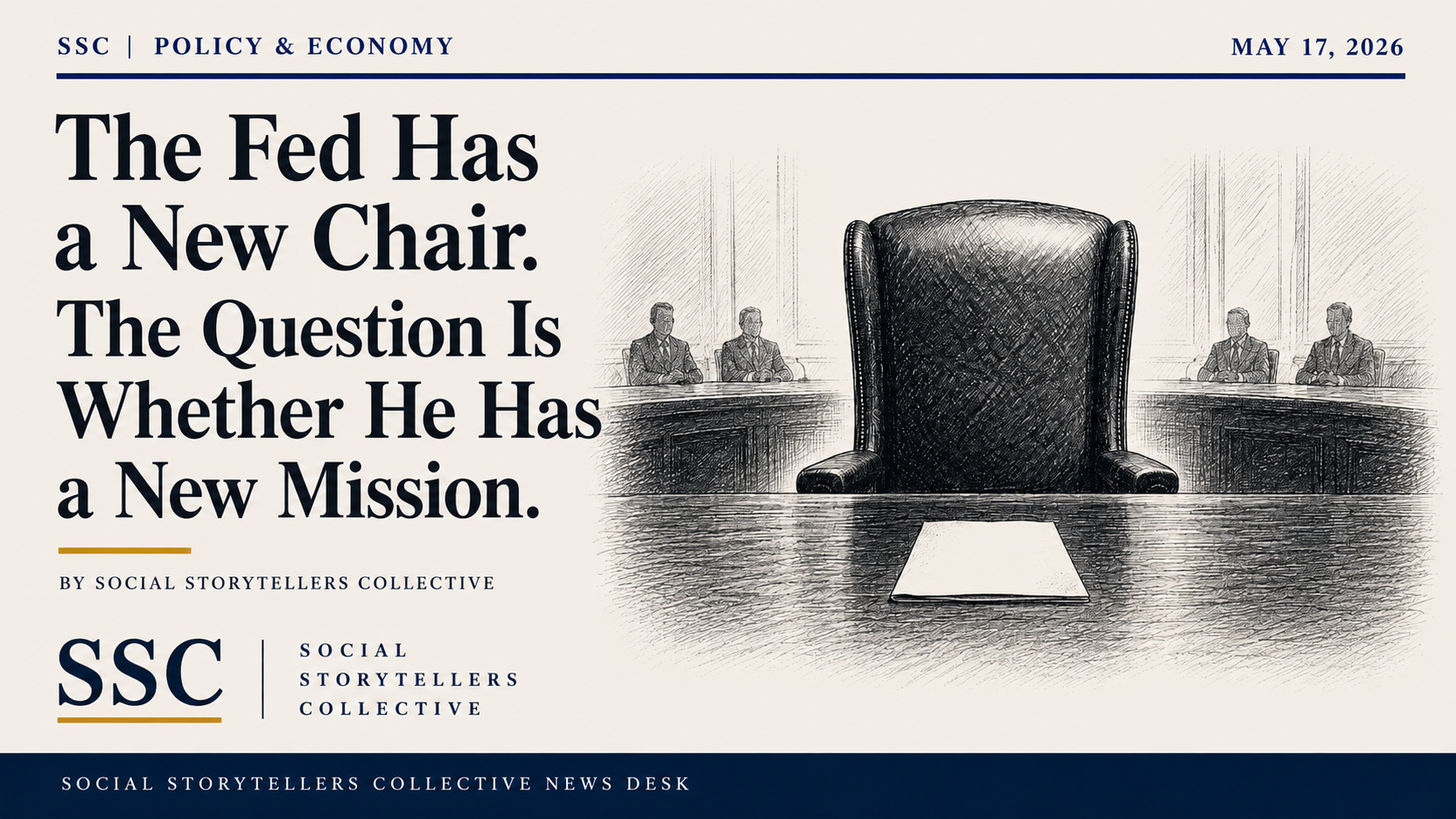
The institution now tasked with managing inflation — the Federal Reserve — is navigating its own transition. In The Fed Has a New Chair. The Question Is Whether He Has a New Mission, we look at what Kevin Warsh inherits and what his confirmation actually signals. The Senate confirmed him 54–45, two days before Jerome Powell’s term ended on May 15. Powell confirmed he will remain on the Board of Governors — an unusual move that preserves his vote and his presence as a visible counterweight. Warsh inherits an institution that was systematically pressured by the administration that nominated him, a 3.8 percent inflation rate running above the Fed’s 2 percent target, and a set of tools — rate adjustments, forward guidance — that have no mechanism to directly address an energy spike driven by geopolitical conditions on the other side of the world. His first rate decision will be among the most watched in years. Not just for the economics. For what it tells us about who he is willing to be in the job.
On immigration, a federal judge drew a line that Texas is already preparing to contest. A Federal Judge Stopped Texas SB4 the Day Before It Was Set to Take Effect. The Fight Is Not Over covers U.S. District Judge David Alan Ezra’s preliminary injunction blocking the law’s central provisions — which would have created a state-level crime for unauthorized border crossing and empowered local police to make arrests. The constitutional problem is foundational: immigration enforcement is a federal domain. Texas argued that federal inaction constitutes an invasion that triggers state self-defense rights. That argument did not find purchase here. But the injunction stops the mechanism, not the logic behind it. At least a dozen states are pursuing variations of the same structural argument. The legal infrastructure for this fight has not been touched by one judge’s ruling.
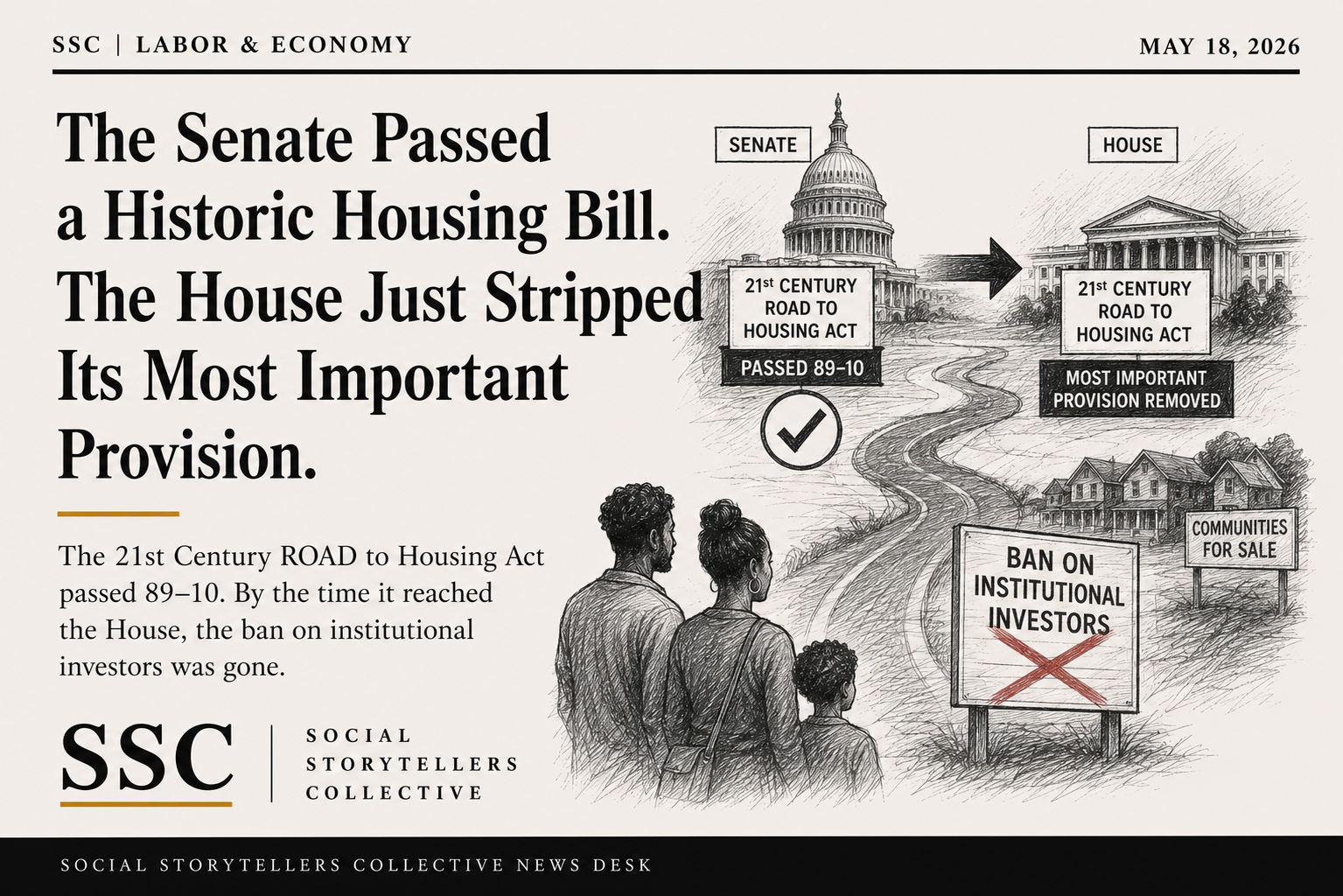
The housing story requires understanding exactly what was removed and why it matters. In The Senate Passed a Historic Housing Bill. The House Just Stripped Its Most Important Provision, we examine the 89–10 Senate vote on the 21st Century ROAD to Housing Act — and the House’s decision to remove the ban on institutional investors purchasing single-family homes. The ban was specific: any entity controlling 350 or more single-family properties would be barred from acquiring more. The House found that insufficient and eliminated it. What remains is a bill with real provisions — zoning reform, permitting changes, tenant protections — that address housing supply without touching the mechanism most visibly disrupting ownership access. Nearly half of American renters are currently cost-burdened. The Senate drew a line. The House erased it.
On the cultural side today, three pieces worth your time.
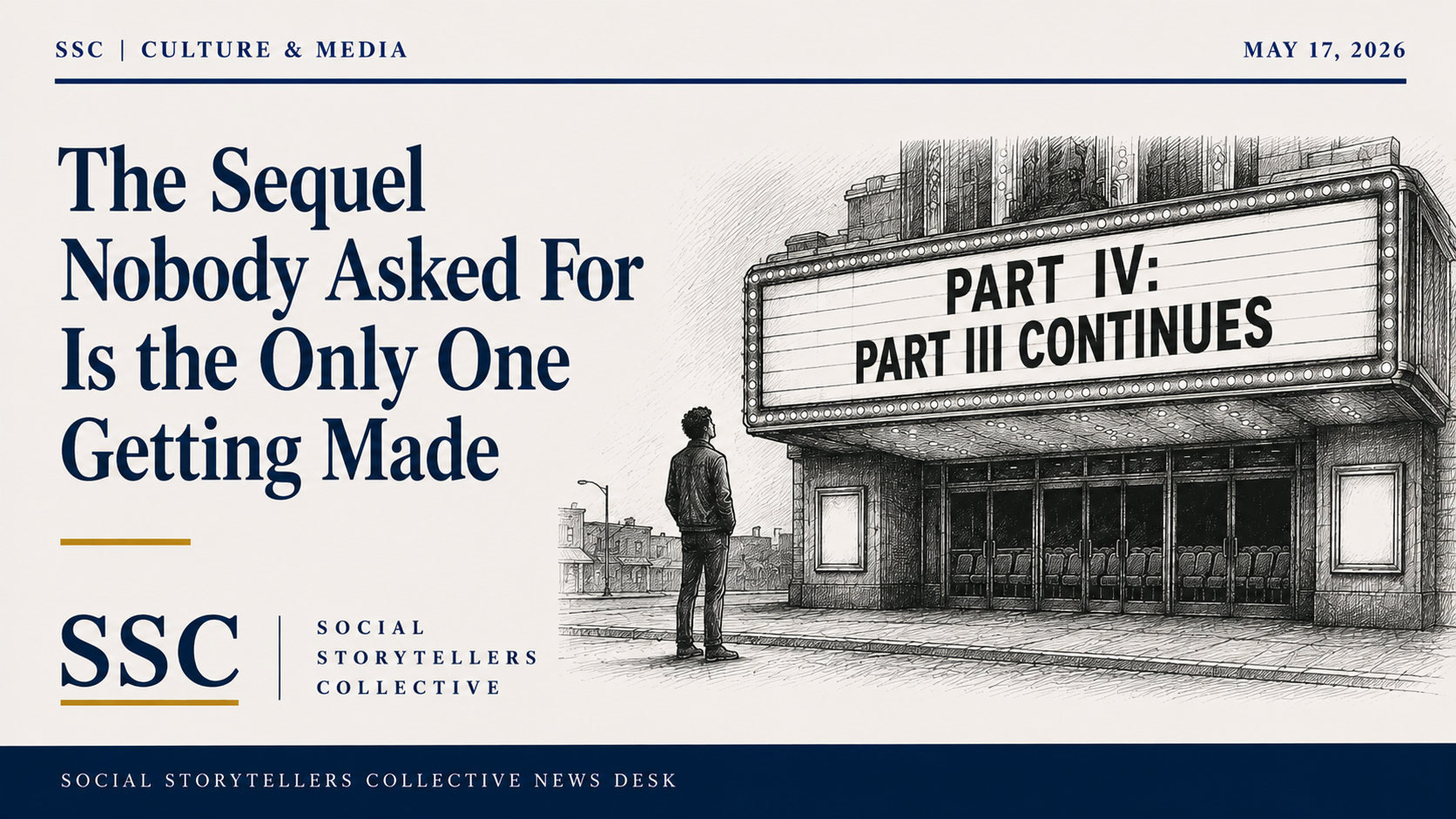
The Sequel Nobody Asked For Is the Only One Getting Made looks at what streaming data is revealing about the state of franchise entertainment. Of the top 25 streaming titles by viewership in Q1 2026, 19 were sequels, prequels, spinoffs, or franchise extensions. The creative consequence is structural: when a story cannot end because a franchise must continue, the narrative beats that give drama its weight — consequence, loss, resolution — are systematically deferred. Audiences are not confused. They are bored in a way they are only beginning to name. The titles generating genuine cultural conversation in 2026 are increasingly the ones willing to end.
And in Gen Z Is Not Nostalgic for the Past. They’re Nostalgic for Imperfection, we look at why the generation that grew up inside the most optimized visual culture in history is reaching for disposable cameras and film rolls. Vinyl record sales have grown for 17 consecutive years, with the majority of buyers now under 35. The preference for imperfection is not irony. It is a response to a specific kind of exhaustion — the accumulated weight of a life lived in front of an audience, with no image that cannot be reviewed and retouched before it exists. The disposable camera is not a retro aesthetic. It is a request for permission to produce something that does not need to be good.
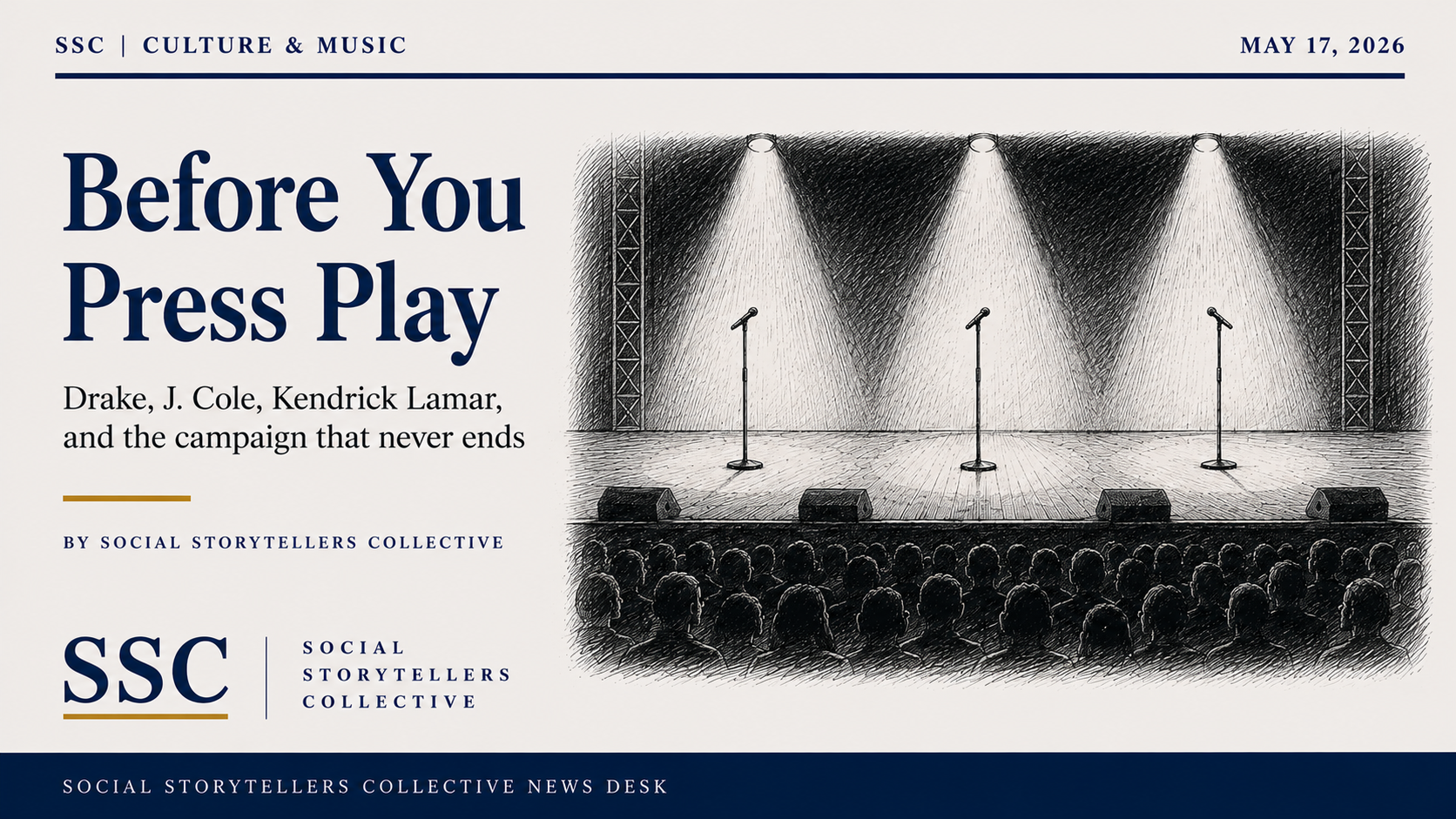
Finally, if you want to understand how the music industry actually works right now, Before You Press Play is the piece to read. Drake, J. Cole, and Kendrick Lamar dropped three of the most discussed projects of the year within the same cultural moment — and what Brandon Crenshaw captures is that the albums themselves are almost beside the point. ICEMAN arrived through accumulation: visual motifs, influencer co-signs, a custom OVO chain gifted to DJ Akademiks on camera. GNX landed with almost no warning and let twelve months of cultural momentum do the promotional work. The Fall Off came deliberate and long-telegraphed, betting on scarcity and perceived craft. Three different theories of what rap dominance looks like in 2026. Three different audience relationships. The rollout is no longer promotion for the music — it is the music’s cultural meaning, delivered before most people press play.
Daily Visual Signal
.
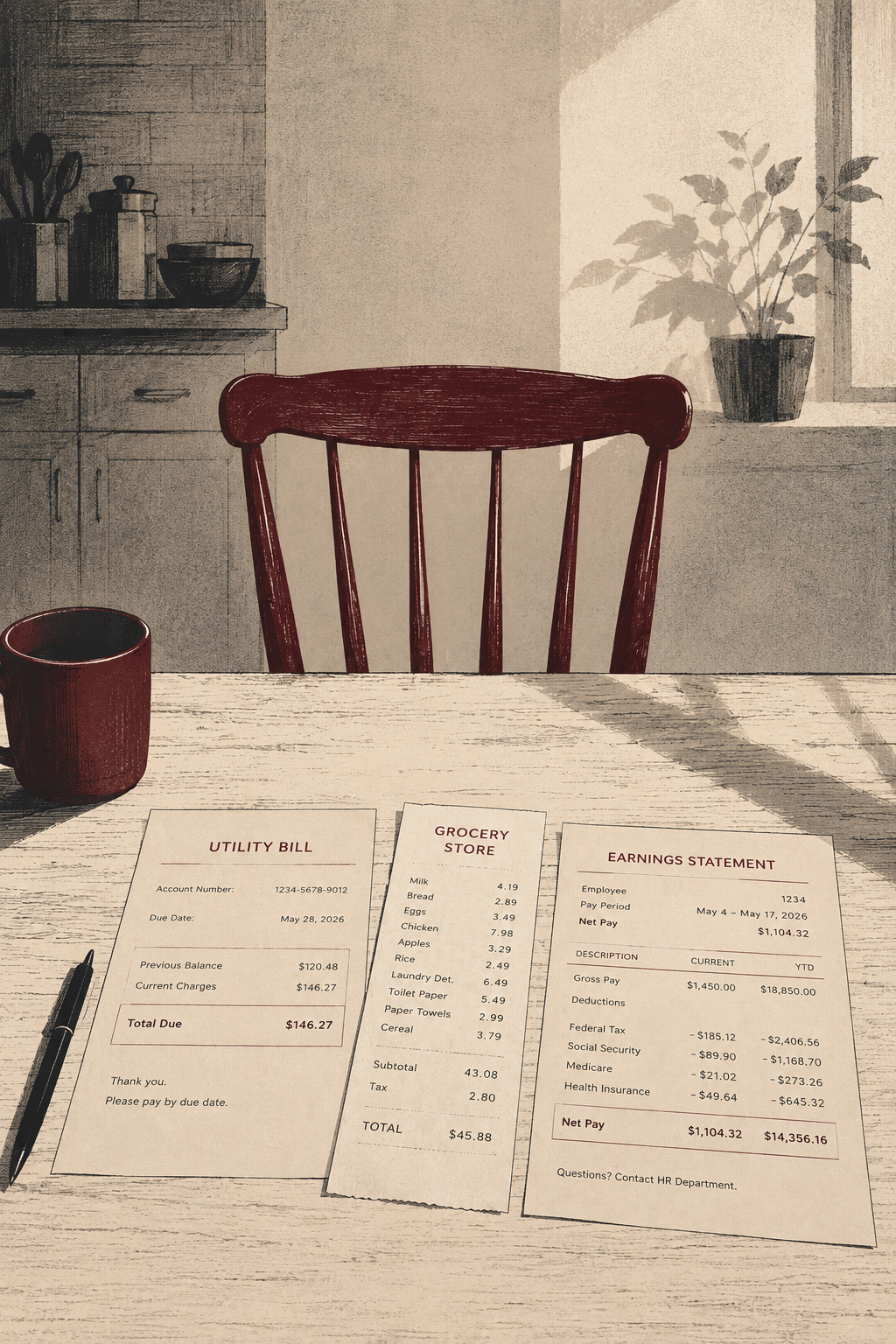
The Quiet Arithmetic — A kitchen table. An empty chair. On the surface: a pay stub, a utility bill, a grocery receipt. No drama. No headline. Just the numbers a household has to reconcile every month — in a month when, for the first time in three years, the math stopped working in workers’ favor. Real wages fell. Inflation climbed. The chair is empty because the person who sits there already knows what the numbers say.
Featured Story
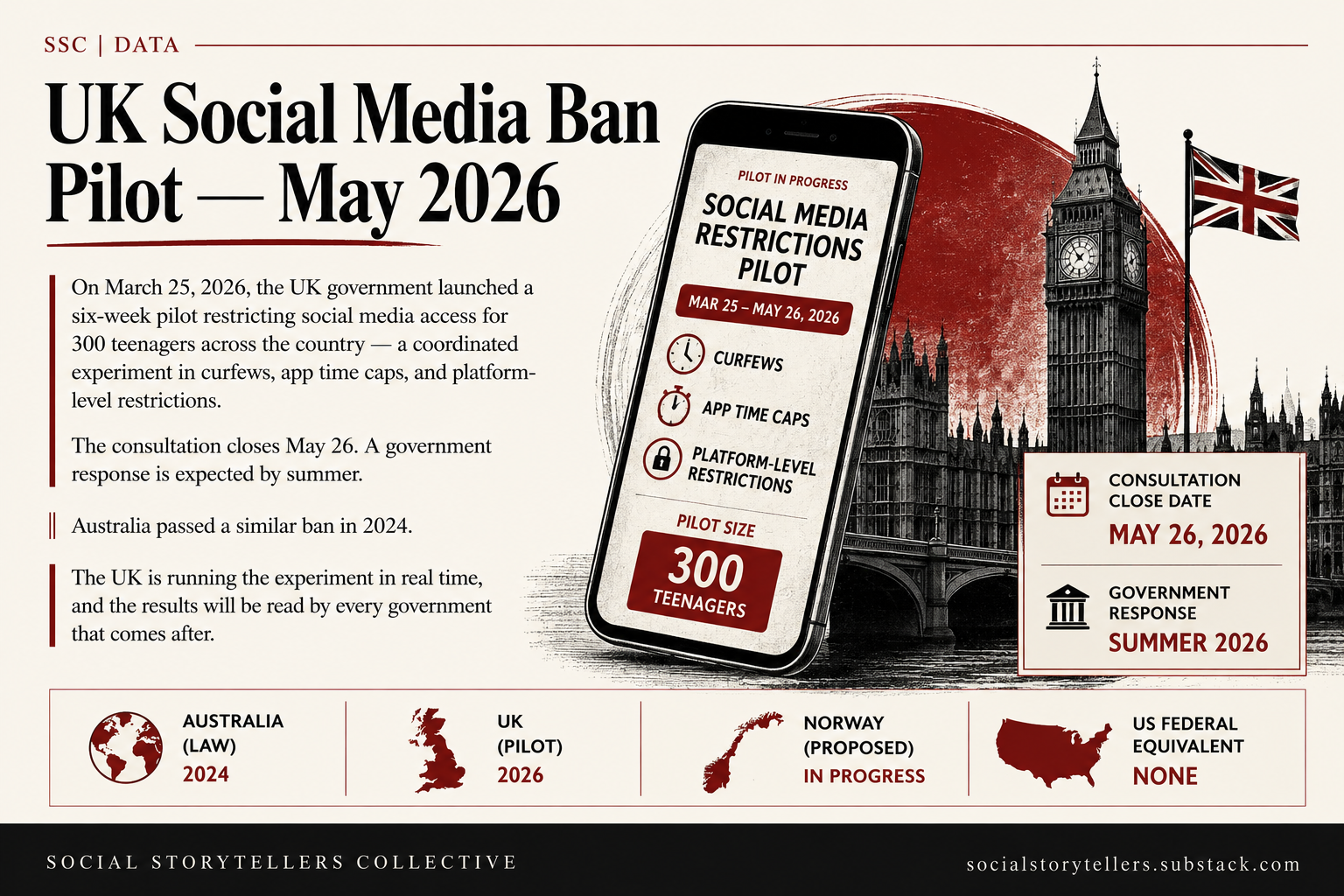
Today’s featured story is The UK Is Running a Social Media Experiment on 300 Teenagers. The Rest of the World Is Watching.
Britain just did something no other major democracy has managed: it moved from debate to pilot on children and platforms. While the US has no federal framework anywhere near implementation, the UK is running a six-week experiment — curfews, app time caps, platform-level restrictions — on 300 teenagers, with a consultation that closes May 26 and a policy response expected by summer. The country that runs the experiment first writes the first draft of the framework everyone else adapts. What the UK finds will land in every government’s inbox. Read this one before the results do.
Today opened with a 23-year-old standing on a stage, degree in hand, already pointed at the work she came to do. It closed with data confirming that the systems surrounding that kind of ambition are under more pressure than the headline numbers suggest. That tension — between what individuals are capable of building and what structural conditions are actively dismantling — is not a contradiction. It is the operating condition. The question today’s stories are all quietly asking is the same one: who is the system currently built for, and what happens to everyone else while that gets sorted out.
— SSC