
The Dominican Republic deported more than 276,000 Haitians in 2024. In 2026, the administration of President Luis Abinader set a target of 10,000 weekly deportations, designated Haitian gangs as terrorist organizations, and authorized U.S. military operations in restricted areas of the country in support of anti-trafficking efforts. The scale of enforcement is significant. What rarely accompanies the reporting on those numbers is the racial ideology that makes them politically sustainable — a deep and deliberately cultivated tradition in the Dominican Republic of distancing national identity from Blackness, of centering European heritage while minimizing African ancestry, and of treating the Haitian border not merely as a political boundary but as a racial one.
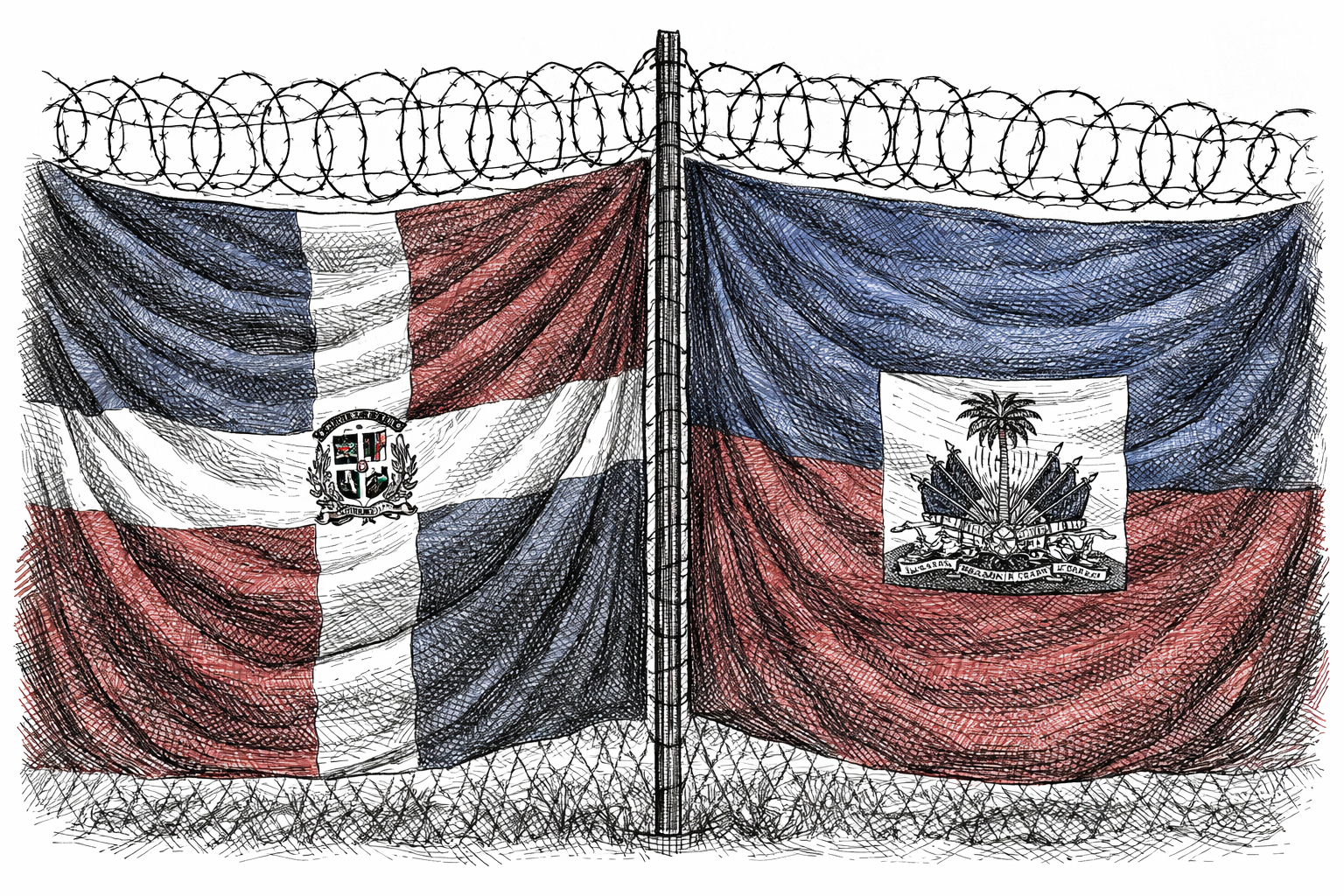
The history is not subtle. Dominican national identity was constructed in explicit opposition to Haitian identity from the country’s founding, shaped by the particular trauma of the Haitian occupation of 1822 to 1844 and subsequently weaponized by Rafael Trujillo’s dictatorship, which in 1937 ordered the massacre of tens of thousands of Haitians and dark-skinned Dominicans along the border in what became known as the Parsley Massacre. The ideological residue of that history persists. In a country where the majority of the population carries African ancestry — visible in skin tone, in music, in cuisine, in cultural practice — the official and popular preference has long been to identify as indio, a term that in Dominican usage does not refer to indigenous ancestry but to mixed or intermediate skin color, a category designed to avoid the word Black while acknowledging what the mirror makes undeniable. Applications for jobs and schools in the Dominican Republic do not ask about race. The state does not formally categorize its citizens by it. Blackness, in the Dominican Republic, is something that happens to Haitians.
That framework has direct consequences for how mass deportation is understood and justified domestically. When the state constructs Haitian identity as the threatening Other — as criminal, as poor, as ungovernable — and simultaneously constructs Dominican identity as distinct from and superior to that Other, deportation becomes not just an immigration enforcement action but an act of national self-definition. The people being deported are not being understood as Black Caribbean people sharing an island with other Black Caribbean people. They are being understood as a category apart — one that, by the logic of Dominican racial ideology, does not belong. The fact that many of those deported were born in the Dominican Republic, or have lived there for decades, or have children who are Dominican citizens, does not interrupt this logic. It is the logic that determines what citizenship means.
For Dominican diaspora communities in New York, Miami, and Boston — where American racial categories require the identity negotiations that Dominican national categories avoid — this moment creates a specific kind of dissonance. A generation of Afro-Dominican Americans who have spent years working to claim and center their African heritage, who have built cultural and political identities that name what the Dominican state refuses to name, are watching their home country conduct a mass expulsion campaign against people who look like their grandparents. The silence from within Dominican diaspora communities on this question is not universal, but it is widespread enough to be notable. It reflects the continued power of a national identity that was built to make anti-Black violence legible as self-preservation. Naming that clearly — and refusing to allow the conversation about Dominican immigration enforcement to proceed without it — is a necessary part of understanding what is actually happening on the island of Hispaniola in 2026.